THE ADVENTURE COLLECTIVE® · Independent discovery and booking for outdoor travel

Rise before dawn and drive into high Andean country to hike toward Vinicunca (Rainbow Mountain), a colorful, mineral-streaked ridge at 5,020 m. This full-day trek pairs local village encounters with a 2–3 hour ascent and a summit pause for photos and acclimatization.
Rise before dawn and drive into high Andean country to hike toward Vinicunca (Rainbow Mountain), a colorful, mineral-streaked ridge at 5,020 m. This full-day trek pairs local village encounters with a 2–3 hour ascent and a summit pause for photos and acclimatization.
Before dawn a diesel hum carries you out of Cusco, headlights slicing the highland dark as the Andes wake. By first light the road drops into Cusipata village—stone houses, potato fields and shepherds—and the trail begins climbing through puna grass and red mineral slopes. The mountain itself keeps its composure: bands of ochre, rust and mint green stacked by erosion and mineral oxides, reaching 5,020 meters above sea level where wind tests your breath.
Verified experiences and guided adventures in the surrounding area.
Operated by Wayonagio Panorama · Cusco, Cusco Region
Before dawn a diesel hum carries you out of Cusco, headlights slicing the highland dark as the Andes wake. By first light the road drops into Cusipata village—stone houses, potato fields and shepherds—and the trail begins climbing through puna grass and red mineral slopes. The mountain itself keeps its composure: bands of ochre, rust and mint green stacked by erosion and mineral oxides, reaching 5,020 meters above sea level where wind tests your breath.
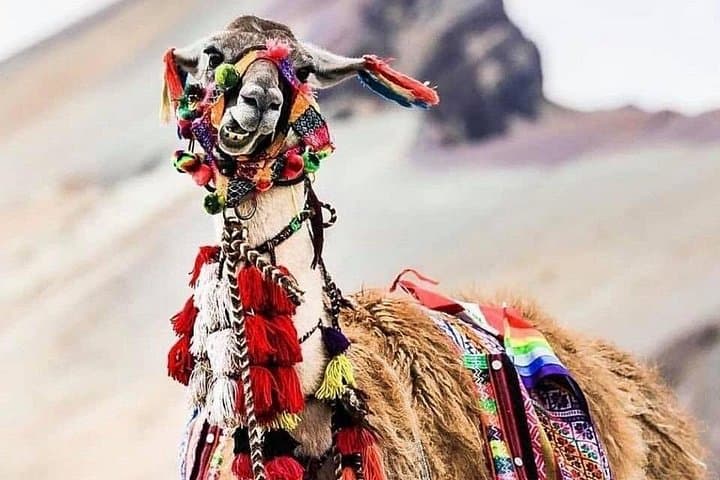
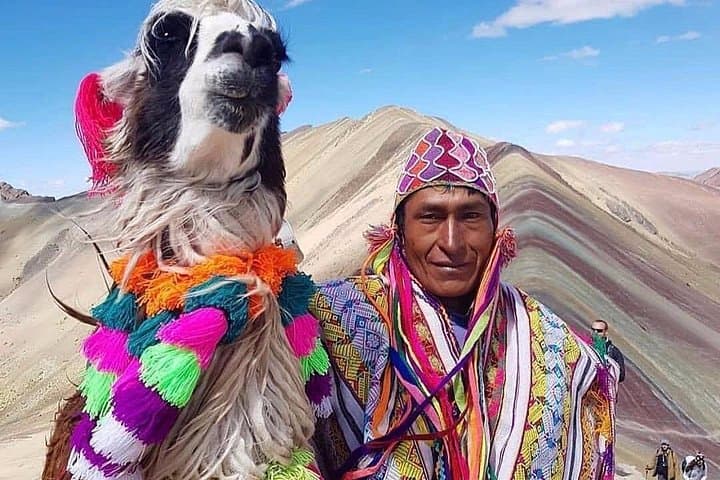
The Rainbow Mountain area sits on ancient glacial and tectonic geology tied to the Ausangate massif; weathered sediments and oxidized minerals create that striped palette visitors come for. The route follows traditional Andean lanes where communities have farmed potatoes for centuries; expect llamas and vicuñas grazing and traces of pre-Inca stonework along the way. The culture is tactile — adobe homes, woven textiles, and farmers who keep landscape knowledge alive.
Plan for altitude more than distance: the hike typically takes 2–3 hours uphill on uneven, sometimes muddy trail, with about an hour at the summit to take photos and acclimatize before descending. Carry layered insulation, sun protection, and at least 2 liters of water; the air is thin and the sun unforgiving. Timing matters: mornings bring clearer skies but a very early pick-up (often before 4am); afternoons can shift to wind or snow depending on season. Respect local communities, pack out waste, and consider an extra day in Cusco to acclimatize before tackling the climb. Guided tours typically include breakfast, lunch, transport and basic oxygen support.
Expect about 2–3 hours uphill depending on fitness and pace, an hour at the summit, and a similar descent; total tour time including drives is around 10–12 hours.
Yes — the summit is at 5,020 m. Acclimatize in Cusco, hydrate, avoid heavy alcohol, and inform guides if you feel headache, nausea or dizziness.
At some points locals offer horse rentals to assist with the ascent, but availability and safety vary; ask your operator and consider fitness before riding.
Most full-day tours include hotel pickup, breakfast, lunch, transportation and a guide; some provide oxygen and a basic first-aid kit—confirm specifics with your operator.
Wayonagio Panorama operates guided outdoor trips and adventures with an emphasis on safety, stewardship, and memorable experiences.
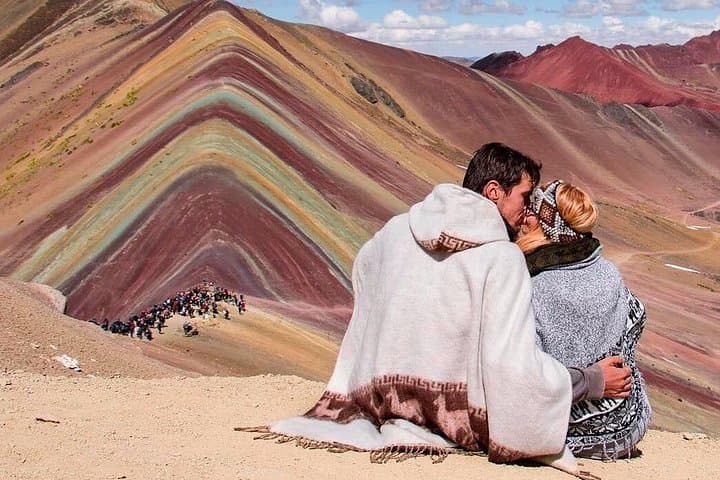
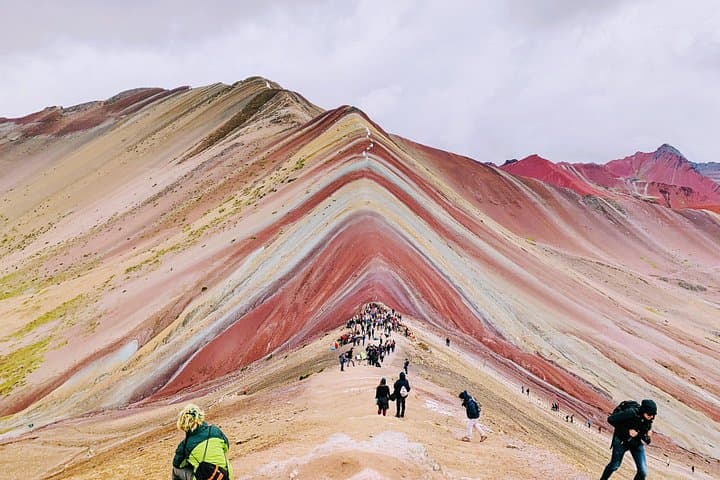
Before dawn a diesel hum carries you out of Cusco, headlights slicing the highland dark as the Andes wake. By first light the road drops into Cusipata village—stone houses, potato fields and shepherds—and the trail begins climbing through puna grass and red mineral slopes. The mountain itself keeps its composure: bands of ochre, rust and mint green stacked by erosion and mineral oxides, reaching 5,020 meters above sea level where wind tests your breath.
Before dawn a diesel hum carries you out of Cusco, headlights slicing the highland dark as the Andes wake. By first light the road drops into Cusipata village—stone houses, potato fields and shepherds—and the trail begins climbing through puna grass and red mineral slopes. The mountain itself keeps its composure: bands of ochre, rust and mint green stacked by erosion and mineral oxides, reaching 5,020 meters above sea level where wind tests your breath.
The Rainbow Mountain area sits on ancient glacial and tectonic geology tied to the Ausangate massif; weathered sediments and oxidized minerals create that striped palette visitors come for. The route follows traditional Andean lanes where communities have farmed potatoes for centuries; expect llamas and vicuñas grazing and traces of pre-Inca stonework along the way. The culture is tactile — adobe homes, woven textiles, and farmers who keep landscape knowledge alive.
Plan for altitude more than distance: the hike typically takes 2–3 hours uphill on uneven, sometimes muddy trail, with about an hour at the summit to take photos and acclimatize before descending. Carry layered insulation, sun protection, and at least 2 liters of water; the air is thin and the sun unforgiving. Timing matters: mornings bring clearer skies but a very early pick-up (often before 4am); afternoons can shift to wind or snow depending on season. Respect local communities, pack out waste, and consider an extra day in Cusco to acclimatize before tackling the climb. Guided tours typically include breakfast, lunch, transport and basic oxygen support.