THE ADVENTURE COLLECTIVE® · Independent discovery and booking for outdoor travel
Spend a full day moving from Sugarloaf’s heights to the shade of the Botanical Garden, a respectful drive by Rocinha, and the wild surf of Prainha and Grumari. This private 8-hour route pairs iconic lookouts with quieter western beaches.
Spend a full day moving from Sugarloaf’s heights to the shade of the Botanical Garden, a respectful drive by Rocinha, and the wild surf of Prainha and Grumari. This private 8-hour route pairs iconic lookouts with quieter western beaches.
You step into a Rio morning with the city opening beneath you: the cable car lifts toward Sugarloaf’s sheer granite flank and the harbor spreads like a map. Salt and coffee hang in the air as you stand at 396 meters, the bay’s islands and Christ the Redeemer framed by wind and light.
Verified experiences and guided adventures in the surrounding area.
Operated by Claudio Montagna · Rio de Janeiro, Rio de Janeiro
You step into a Rio morning with the city opening beneath you: the cable car lifts toward Sugarloaf’s sheer granite flank and the harbor spreads like a map. Salt and coffee hang in the air as you stand at 396 meters, the bay’s islands and Christ the Redeemer framed by wind and light.
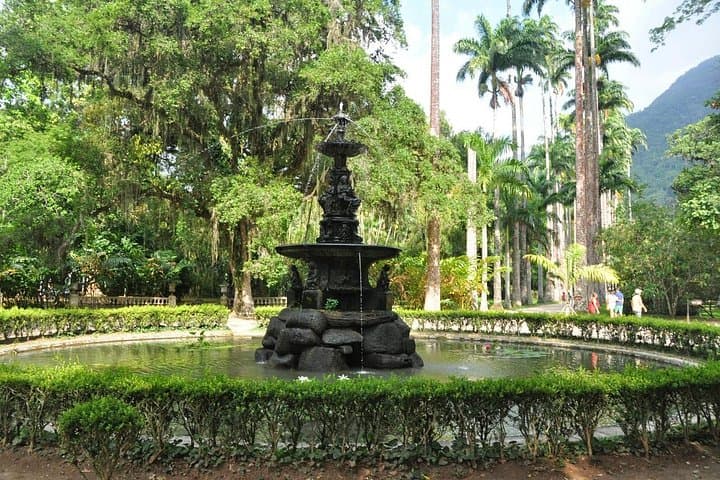
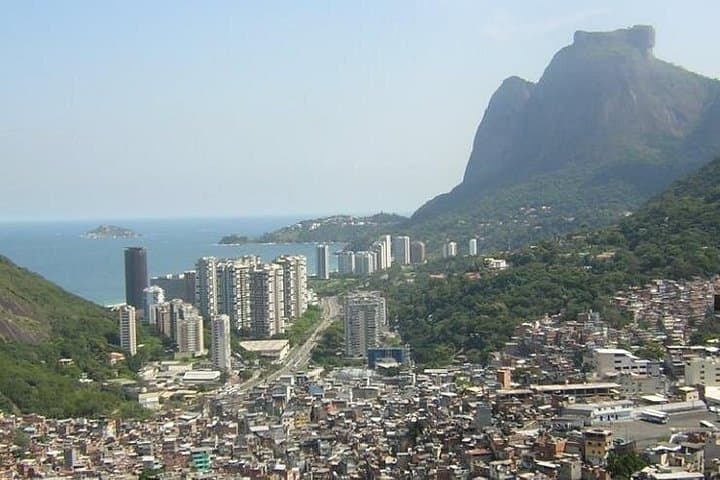
The route threads history and geology. Sugarloaf (Pão de Açúcar) is a granite monolith shaped by millennia of coastal erosion; its first cable car began operating in the early 20th century and still delivers the same dramatic vantage. The Jardim Botânico, created in 1808 and covering roughly 64 hectares, shelters native Atlantic Forest species and orderly rows of imperial palms. A drive past Rocinha—the largest favela in Rio, home to roughly 100,000 residents—offers a view into urban growth and community life rather than a voyeuristic stop. The western beaches of Prainha and Grumari lie in a protected coastal zone, where reef-sculpted waves draw surfers and the road narrows into cliffs and cove beaches.
Practical edge: this private 8-hour tour balances short walks with driving; expect 20–60 minute transfers depending on traffic. Bring sun protection, refillable water, and supportive walking shoes for garden paths and sandy approaches. Respect local neighborhoods—photo discretion and listening to your guide are essential. Timing matters: aim for early morning at Sugarloaf and mid-afternoon at the beaches to avoid peak traffic and catch best light. The day mixes iconic lookouts, botanical calm, local realities, and raw surf beaches—each asking you to show up curious and considerate.
This tour typically covers transportation and guiding; entrance fees for Sugarloaf cable car and Botanical Garden may be additional—confirm when booking.
The tour includes a drive-by of Rocinha to observe the neighborhood from a respectful distance; stopping inside depends on guide arrangement and safety considerations.
Prainha and Grumari are popular surf beaches with strong currents in places—follow local flags and your guide’s advice before entering the water.
The itinerary lists wheelchair-accessible transportation and some accessible sites, but cable car and beach access may have limitations—discuss specific needs with the operator before booking.
Claudio Montagna operates guided outdoor trips and adventures with an emphasis on safety, stewardship, and memorable experiences.


You step into a Rio morning with the city opening beneath you: the cable car lifts toward Sugarloaf’s sheer granite flank and the harbor spreads like a map. Salt and coffee hang in the air as you stand at 396 meters, the bay’s islands and Christ the Redeemer framed by wind and light.
You step into a Rio morning with the city opening beneath you: the cable car lifts toward Sugarloaf’s sheer granite flank and the harbor spreads like a map. Salt and coffee hang in the air as you stand at 396 meters, the bay’s islands and Christ the Redeemer framed by wind and light.
The route threads history and geology. Sugarloaf (Pão de Açúcar) is a granite monolith shaped by millennia of coastal erosion; its first cable car began operating in the early 20th century and still delivers the same dramatic vantage. The Jardim Botânico, created in 1808 and covering roughly 64 hectares, shelters native Atlantic Forest species and orderly rows of imperial palms. A drive past Rocinha—the largest favela in Rio, home to roughly 100,000 residents—offers a view into urban growth and community life rather than a voyeuristic stop. The western beaches of Prainha and Grumari lie in a protected coastal zone, where reef-sculpted waves draw surfers and the road narrows into cliffs and cove beaches.
Practical edge: this private 8-hour tour balances short walks with driving; expect 20–60 minute transfers depending on traffic. Bring sun protection, refillable water, and supportive walking shoes for garden paths and sandy approaches. Respect local neighborhoods—photo discretion and listening to your guide are essential. Timing matters: aim for early morning at Sugarloaf and mid-afternoon at the beaches to avoid peak traffic and catch best light. The day mixes iconic lookouts, botanical calm, local realities, and raw surf beaches—each asking you to show up curious and considerate.
