THE ADVENTURE COLLECTIVE® · Independent discovery and booking for outdoor travel

Spend a full day tasting across Rioja Alta and Rioja Alavesa with an English-speaking Wine Scholar, visiting three varied bodegas and enjoying a pintxos lunch in a village bar. Small-group format and hotel pickup make this a relaxed, educational immersion in Rioja's wines and culture.
Spend a full day tasting across Rioja Alta and Rioja Alavesa with an English-speaking Wine Scholar, visiting three varied bodegas and enjoying a pintxos lunch in a village bar. Small-group format and hotel pickup make this a relaxed, educational immersion in Rioja's wines and culture.
You step out of the van onto a gravel lane flanked by neat rows of tempranillo; sun and stone smell faintly of oak. The guide—an English-speaking Spanish Wine Scholar—gestures toward a 19th‑century bodega whose cellar cools like a cave, and you realise today will fold together soil, history and small plates.
Verified experiences and guided adventures in the surrounding area.
Operated by Vine Travel · Logroño, La Rioja
You step out of the van onto a gravel lane flanked by neat rows of tempranillo; sun and stone smell faintly of oak. The guide—an English-speaking Spanish Wine Scholar—gestures toward a 19th‑century bodega whose cellar cools like a cave, and you realise today will fold together soil, history and small plates.
Rioja's identity has been shaped by its rivers and its geology: alluvial plains and limestone outcrops split Rioja Alta from Rioja Alavesa, producing brighter, higher-acid wines in the hills and rounder, richer styles lower down. Centuries of viticulture sit beside modern architecture—classic crianzas in underground cellars and avant-garde designs from the late 20th century—so the tour alternates between historical context and tasting technique.
Culture here is tactile; bodegas are family businesses, pintxos are social currency, and conversation revolves around aging, oak and terroir. Expect three distinct winery visits—possibly including iconic houses and lesser-known estates—each with guided tastings and a midday pintxos lunch in a village bar. Small groups (max 8) keep the pace unhurried.
Practical guidance: wear comfortable shoes for cobbled patios and short cellar steps, bring a refillable water bottle and sun protection, and plan for about eight hours including hotel pick-up and drop-off. If you want to buy bottles, bring a credit card and ask about shipping options from the bodega. This is an accessible, low‑impact day that pairs sensory learning with regional flavors—ideal for curious beginners and seasoned tasters alike.
Yes—hotel pickup and drop-off are provided within the tour's pickup zone; confirm your pickup point at booking.
Not recommended—this tour includes multiple wine tastings and is advised against for pregnant travelers.
Yes—entries to the selected wineries and the included tastings are covered; lunch and any additional purchases are extra if specified.
Yes—the small-group format and expert guide make it ideal for both curious beginners and experienced wine lovers.
Vine Travel operates guided outdoor trips and adventures with an emphasis on safety, stewardship, and memorable experiences.
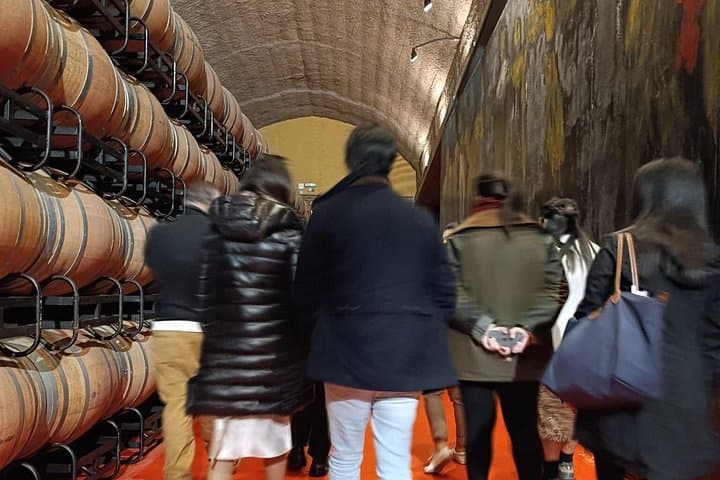


You step out of the van onto a gravel lane flanked by neat rows of tempranillo; sun and stone smell faintly of oak. The guide—an English-speaking Spanish Wine Scholar—gestures toward a 19th‑century bodega whose cellar cools like a cave, and you realise today will fold together soil, history and small plates.
You step out of the van onto a gravel lane flanked by neat rows of tempranillo; sun and stone smell faintly of oak. The guide—an English-speaking Spanish Wine Scholar—gestures toward a 19th‑century bodega whose cellar cools like a cave, and you realise today will fold together soil, history and small plates.
Rioja's identity has been shaped by its rivers and its geology: alluvial plains and limestone outcrops split Rioja Alta from Rioja Alavesa, producing brighter, higher-acid wines in the hills and rounder, richer styles lower down. Centuries of viticulture sit beside modern architecture—classic crianzas in underground cellars and avant-garde designs from the late 20th century—so the tour alternates between historical context and tasting technique.
Culture here is tactile; bodegas are family businesses, pintxos are social currency, and conversation revolves around aging, oak and terroir. Expect three distinct winery visits—possibly including iconic houses and lesser-known estates—each with guided tastings and a midday pintxos lunch in a village bar. Small groups (max 8) keep the pace unhurried.
Practical guidance: wear comfortable shoes for cobbled patios and short cellar steps, bring a refillable water bottle and sun protection, and plan for about eight hours including hotel pick-up and drop-off. If you want to buy bottles, bring a credit card and ask about shipping options from the bodega. This is an accessible, low‑impact day that pairs sensory learning with regional flavors—ideal for curious beginners and seasoned tasters alike.