THE ADVENTURE COLLECTIVE® · Independent discovery and booking for outdoor travel

From a ferry to Robben Island to the windswept rim of Table Mountain and a leisurely lunch among Constantia’s vines, this full-day tour stitches Cape Town’s most iconic experiences into one eight-hour route. Expect history, geology, and award-winning wines — and plan for wind and variable weather.
From a ferry to Robben Island to the windswept rim of Table Mountain and a leisurely lunch among Constantia’s vines, this full-day tour stitches Cape Town’s most iconic experiences into one eight-hour route. Expect history, geology, and award-winning wines — and plan for wind and variable weather.
The day begins at the water’s edge: wind buffets the quay at the V&A Waterfront, gulls quarrel over scraps, and across the harbor the flat crown of Table Mountain waits like a slow-moving weather system. A ferry cuts through the chill morning air toward Robben Island, where the limestone quarry and low-lying prison compound sit small and stark against the Atlantic. By midday the tour slips up into the high, wind-sliced plateaus of Table Mountain and later eases into the green, sunlit slopes of the Constantia wine valley — a contrast of salt, stone, and vine in a single South African afternoon.
Verified experiences and guided adventures in the surrounding area.
Operated by Aim Cape Tours. · Cape Town, Western Cape
The day begins at the water’s edge: wind buffets the quay at the V&A Waterfront, gulls quarrel over scraps, and across the harbor the flat crown of Table Mountain waits like a slow-moving weather system. A ferry cuts through the chill morning air toward Robben Island, where the limestone quarry and low-lying prison compound sit small and stark against the Atlantic. By midday the tour slips up into the high, wind-sliced plateaus of Table Mountain and later eases into the green, sunlit slopes of the Constantia wine valley — a contrast of salt, stone, and vine in a single South African afternoon.
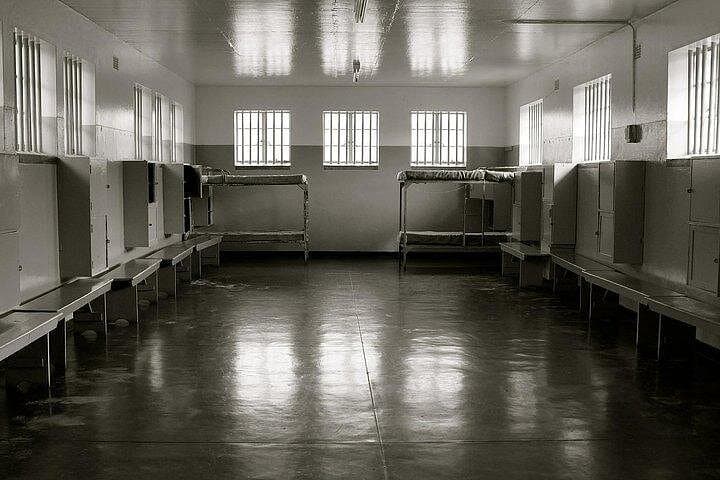
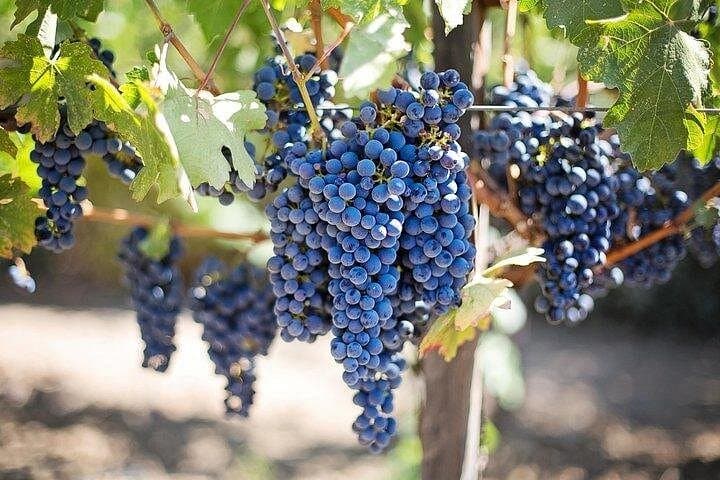
Robben Island and Table Mountain are more than viewpoints; they are chapters of Cape Town’s history. Robben Island’s prison held Nelson Mandela and other political prisoners during apartheid — the guided island tour pulls no punches, guiding visitors past cells, quarry scars, and the Long Walk to Freedom. Table Mountain, carved from Table Mountain sandstone and capped with iron-rich quartzites, is a 260-million-year-old landmark that shapes Cape Town’s weather and views. The Constantia estates — Groot Constantia and Klein Constantia — date to the late 17th century when Simon van der Stel parceled the original farm; their cellars and lunchrooms trace wine-making traditions adapted to granite soils and Pacific breezes.
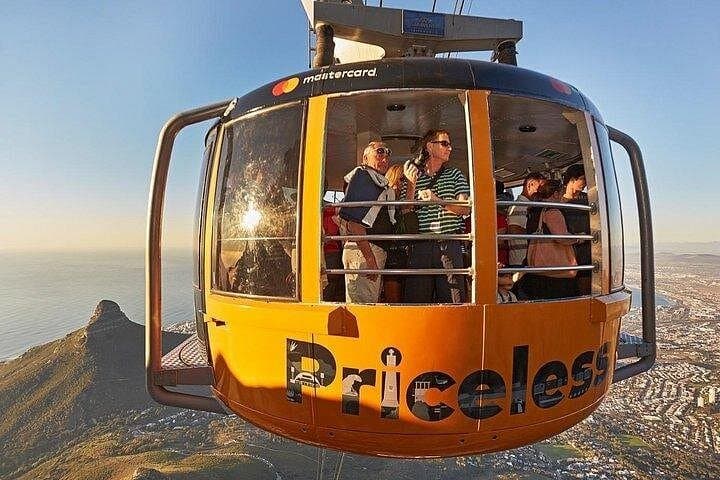
Practicalities shape the day: the shared, full-day tour runs about 8 hours (groups capped at 15). Hotel pickup around Cape Town saves time; ferry crossings to Robben Island are weather-dependent and require a valid ID; the island tour itself is conducted by resident guides and includes bus transfer on the island plus entry to Mandela’s cell. At Table Mountain you can choose the cableway or an optional hike — the cable car saves time if the wind has picked up.
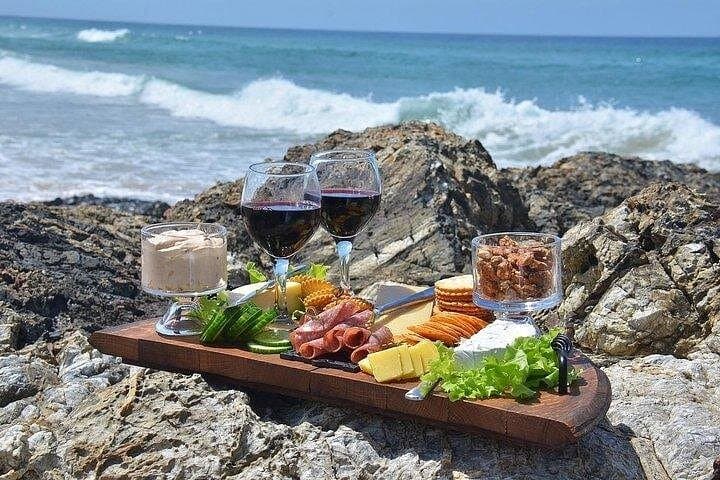
Timing and comfort matter. Wind can cancel ferries — keep a flexible first morning and book early to secure island tickets. Even on sunny days a windproof layer and sunscreen are essential; the mountain can be significantly cooler than the city. If you plan to hike portions of Table Mountain, wear grippy footwear and bring at least 1 liter of water per person. Lunch at Groot Constantia is a recommended reward: book ahead for terrace seating overlooking vineyards and try estate pairings — Klein Constantia is celebrated for cooler-climate whites.
What you’ll leave with is varied: the hush of an island cell, a panoramic sweep from Table Mountain’s rim, the slow, grounded pleasure of wine poured in a 300-year-old estate. It’s a day of contrasts that asks little athleticism but rewards attention — and leaves you with a clearer sense of why Cape Town’s coast, mountain, and vineyards feel inseparable.
International travelers should bring their passport; local ID is acceptable but must be valid and shown at embarkation.
Yes — the cableway is an option and helps save time, but it can close in high winds so bring a fallback plan for short hikes or viewing from lower terraces.
Lunch is not included; the itinerary recommends dining at Groot Constantia where you can purchase a meal and wine pairings.
The island tour includes bus transfers and short walks to the prison and quarry; expect paved and uneven surfaces and bring comfortable shoes.
Tastings are usually not included — fees vary by estate; the guide can recommend tasting options and book ahead if required.
Ferry cancellations are common in strong winds; the operator will attempt to reschedule or provide refunds per their cancellation policy — confirm terms when booking.
Aim Cape Tours. operates guided outdoor trips and adventures with an emphasis on safety, stewardship, and memorable experiences.
The day begins at the water’s edge: wind buffets the quay at the V&A Waterfront, gulls quarrel over scraps, and across the harbor the flat crown of Table Mountain waits like a slow-moving weather system. A ferry cuts through the chill morning air toward Robben Island, where the limestone quarry and low-lying prison compound sit small and stark against the Atlantic. By midday the tour slips up into the high, wind-sliced plateaus of Table Mountain and later eases into the green, sunlit slopes of the Constantia wine valley — a contrast of salt, stone, and vine in a single South African afternoon.
The day begins at the water’s edge: wind buffets the quay at the V&A Waterfront, gulls quarrel over scraps, and across the harbor the flat crown of Table Mountain waits like a slow-moving weather system. A ferry cuts through the chill morning air toward Robben Island, where the limestone quarry and low-lying prison compound sit small and stark against the Atlantic. By midday the tour slips up into the high, wind-sliced plateaus of Table Mountain and later eases into the green, sunlit slopes of the Constantia wine valley — a contrast of salt, stone, and vine in a single South African afternoon.
Robben Island and Table Mountain are more than viewpoints; they are chapters of Cape Town’s history. Robben Island’s prison held Nelson Mandela and other political prisoners during apartheid — the guided island tour pulls no punches, guiding visitors past cells, quarry scars, and the Long Walk to Freedom. Table Mountain, carved from Table Mountain sandstone and capped with iron-rich quartzites, is a 260-million-year-old landmark that shapes Cape Town’s weather and views. The Constantia estates — Groot Constantia and Klein Constantia — date to the late 17th century when Simon van der Stel parceled the original farm; their cellars and lunchrooms trace wine-making traditions adapted to granite soils and Pacific breezes.
Practicalities shape the day: the shared, full-day tour runs about 8 hours (groups capped at 15). Hotel pickup around Cape Town saves time; ferry crossings to Robben Island are weather-dependent and require a valid ID; the island tour itself is conducted by resident guides and includes bus transfer on the island plus entry to Mandela’s cell. At Table Mountain you can choose the cableway or an optional hike — the cable car saves time if the wind has picked up.
Timing and comfort matter. Wind can cancel ferries — keep a flexible first morning and book early to secure island tickets. Even on sunny days a windproof layer and sunscreen are essential; the mountain can be significantly cooler than the city. If you plan to hike portions of Table Mountain, wear grippy footwear and bring at least 1 liter of water per person. Lunch at Groot Constantia is a recommended reward: book ahead for terrace seating overlooking vineyards and try estate pairings — Klein Constantia is celebrated for cooler-climate whites.
What you’ll leave with is varied: the hush of an island cell, a panoramic sweep from Table Mountain’s rim, the slow, grounded pleasure of wine poured in a 300-year-old estate. It’s a day of contrasts that asks little athleticism but rewards attention — and leaves you with a clearer sense of why Cape Town’s coast, mountain, and vineyards feel inseparable.