THE ADVENTURE COLLECTIVE® · Independent discovery and booking for outdoor travel

A fast-paced, seven‑hour shore excursion that packs Rome’s essentials—St. Peter’s Square, the Pantheon, Trevi Fountain and the Colosseum—into one efficient loop from Civitavecchia. Ideal for cruise passengers who want a focused introduction to the Eternal City.
A fast-paced, seven‑hour shore excursion that packs Rome’s essentials—St. Peter’s Square, the Pantheon, Trevi Fountain and the Colosseum—into one efficient loop from Civitavecchia. Ideal for cruise passengers who want a focused introduction to the Eternal City.
You step off the gangway in Civitavecchia with the sea still in your ears and the promise of Rome ahead: a seven-hour sweep from port to piazza. The coach pulls onto the ring road and the city unfolds—travertine facades catching light, scooters threading through traffic, the Tiber pushing a steady current that dares you to follow its curve into history.
Verified experiences and guided adventures in the surrounding area.
Operated by Telia Travel · Rome, Lazio
You step off the gangway in Civitavecchia with the sea still in your ears and the promise of Rome ahead: a seven-hour sweep from port to piazza. The coach pulls onto the ring road and the city unfolds—travertine facades catching light, scooters threading through traffic, the Tiber pushing a steady current that dares you to follow its curve into history.
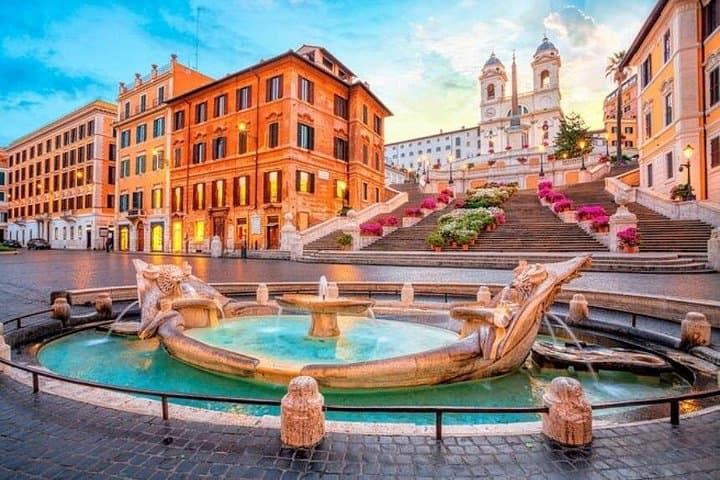
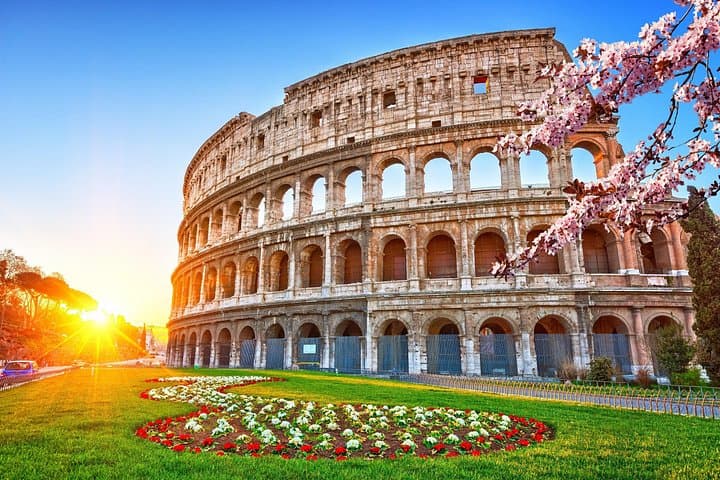
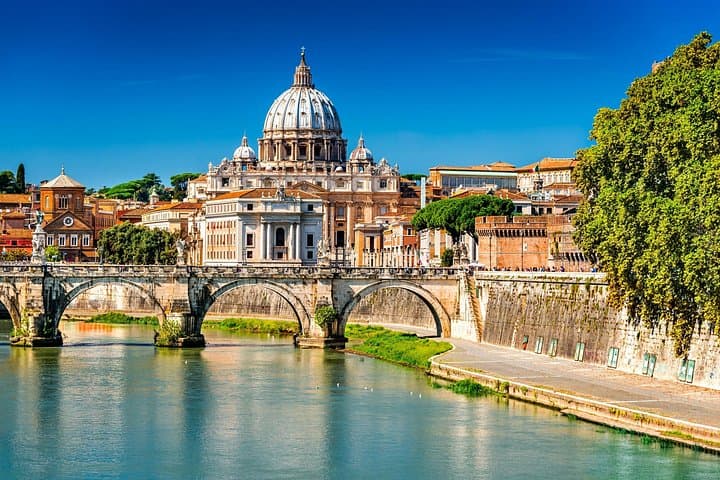
This is a day of architectural punches and layered time. Start with Saint Peter’s Square—Bernini’s colonnade frames the obelisk like a stage—then move through Renaissance and Baroque streets to the Pantheon, whose oculus still measures daylight as Romans have for two millennia. The Colosseum looms as engineered theater and social machine, while Trajan’s Forum and Piazza Navona show how Rome reworked public space across eras.
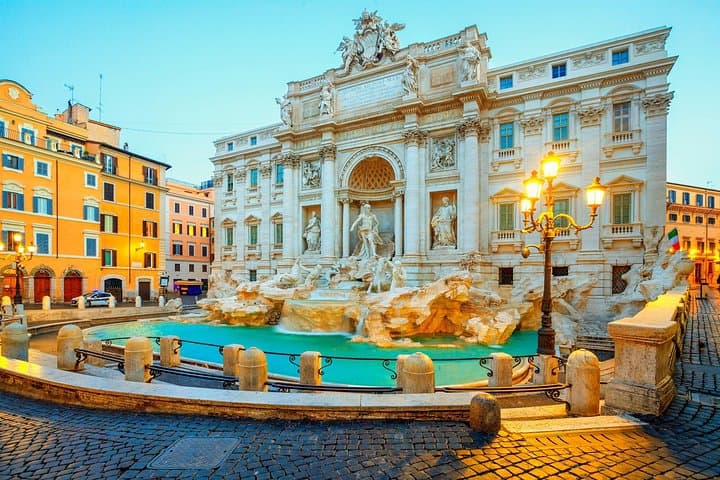
Culturally the city is loud and tactile: vendors, espresso bars, and the coin-toss ritual at Trevi. Geologically, Rome sits on volcanic tuff and travertine; those pale stones are the city’s skeleton and tell of ancient quarries and engineering choices.
Practical note: this tour is fast-paced and walking-intensive—expect cobbles, stairs, and crowds. Interiors are generally not included due to time limits, so prioritize what you want to see up close. Dress respectfully for religious sites, carry a small daypack, and leave bulky luggage on the ship. Guides aim to return you to port on schedule, but traffic and crowds can shape the day; plan any personal museum visits for a longer stay. With solid shoes and a sense of timing, a shore stop becomes a concentrated primer on why Rome still commands attention.
Due to the limited time of a cruise stop, interiors are generally not included; the tour focuses on exterior views and highlights—plan a separate stay to explore interiors fully.
Typical transfer time is about 60–90 minutes each way depending on traffic; the full tour runs roughly seven hours including transfers.
Yes—options include pier pickup for semi-private tours or a nearby meeting point outside the terminal for standard group tours; check your booking confirmation for details.
No—the tour requires significant walking and is not accessible for wheelchair or scooter users; travelers should have at least moderate mobility.
Telia Travel operates guided outdoor trips and adventures with an emphasis on safety, stewardship, and memorable experiences.
You step off the gangway in Civitavecchia with the sea still in your ears and the promise of Rome ahead: a seven-hour sweep from port to piazza. The coach pulls onto the ring road and the city unfolds—travertine facades catching light, scooters threading through traffic, the Tiber pushing a steady current that dares you to follow its curve into history.
You step off the gangway in Civitavecchia with the sea still in your ears and the promise of Rome ahead: a seven-hour sweep from port to piazza. The coach pulls onto the ring road and the city unfolds—travertine facades catching light, scooters threading through traffic, the Tiber pushing a steady current that dares you to follow its curve into history.
This is a day of architectural punches and layered time. Start with Saint Peter’s Square—Bernini’s colonnade frames the obelisk like a stage—then move through Renaissance and Baroque streets to the Pantheon, whose oculus still measures daylight as Romans have for two millennia. The Colosseum looms as engineered theater and social machine, while Trajan’s Forum and Piazza Navona show how Rome reworked public space across eras.
Culturally the city is loud and tactile: vendors, espresso bars, and the coin-toss ritual at Trevi. Geologically, Rome sits on volcanic tuff and travertine; those pale stones are the city’s skeleton and tell of ancient quarries and engineering choices.
Practical note: this tour is fast-paced and walking-intensive—expect cobbles, stairs, and crowds. Interiors are generally not included due to time limits, so prioritize what you want to see up close. Dress respectfully for religious sites, carry a small daypack, and leave bulky luggage on the ship. Guides aim to return you to port on schedule, but traffic and crowds can shape the day; plan any personal museum visits for a longer stay. With solid shoes and a sense of timing, a shore stop becomes a concentrated primer on why Rome still commands attention.