THE ADVENTURE COLLECTIVE® · Independent discovery and booking for outdoor travel

Spend a full day tracing the fallout of Vesuvius across Herculaneum, Oplontis and Pompeii. This private transport itinerary packs archaeology, coastal villas and Roman streets into an 8–9 hour exploration from Naples.
Spend a full day tracing the fallout of Vesuvius across Herculaneum, Oplontis and Pompeii. This private transport itinerary packs archaeology, coastal villas and Roman streets into an 8–9 hour exploration from Naples.
A low-slung van eases out of Naples at first light and the coastline slides by: salt air, concrete harbors, and Vesuvius brooding on the horizon. The day’s rhythm is set by the ash that changed everything in AD 79—two hours at Herculaneum, ninety minutes among the frescoes at Oplontis, and about two hours walking the grid of Pompeii before the return.
Verified experiences and guided adventures in the surrounding area.
Operated by AmalfiDriver.com Tours & Transfers with Experience · Naples, Campania
A low-slung van eases out of Naples at first light and the coastline slides by: salt air, concrete harbors, and Vesuvius brooding on the horizon. The day’s rhythm is set by the ash that changed everything in AD 79—two hours at Herculaneum, ninety minutes among the frescoes at Oplontis, and about two hours walking the grid of Pompeii before the return.
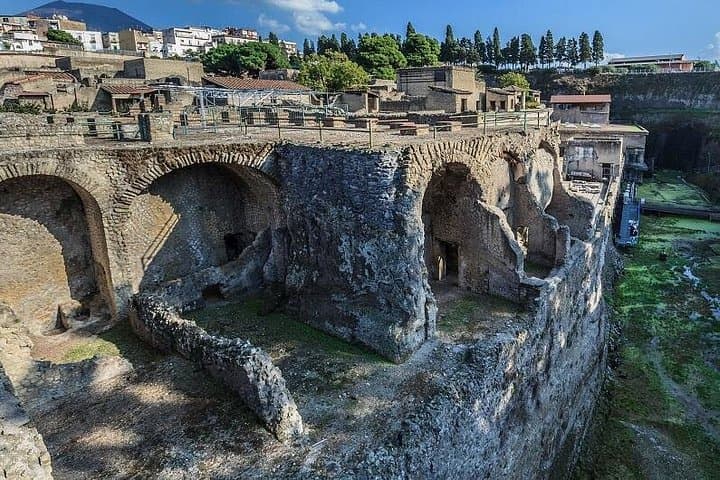
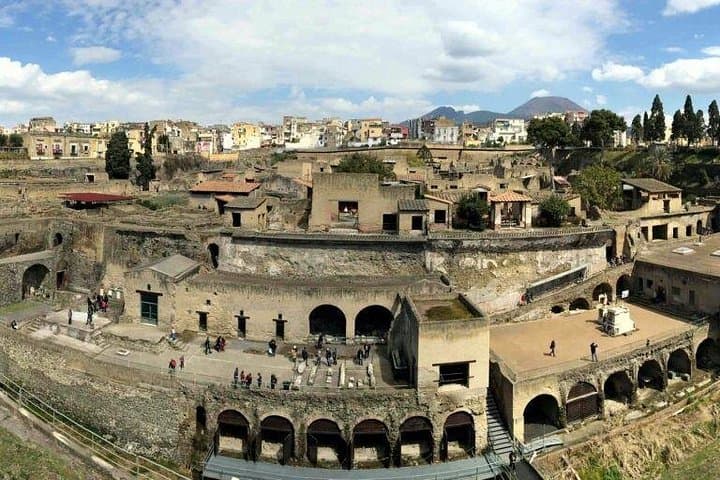
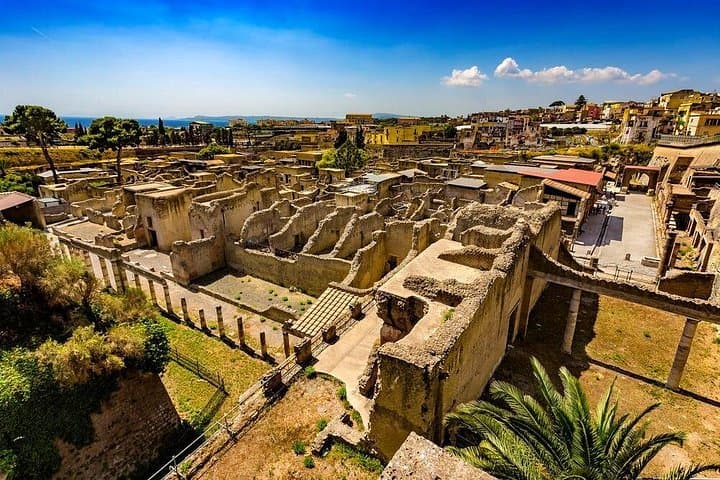
Herculaneum preserves wooden beams, upper floors and organic traces because hot pyroclastic surges carbonized what Pompeii’s ash did not. Oplontis (Villa Poppaea) sits nearer the coast and gives a window into elite Roman villa life: frescoes, garden alcoves, and mosaics linked to Poppaea Sabina. Pompeii’s streets, forums, and plaster casts expose daily routines frozen by pumice and ash; the geology is stark—layers of tephra, pumice fall and flow deposits from Mount Vesuvius.
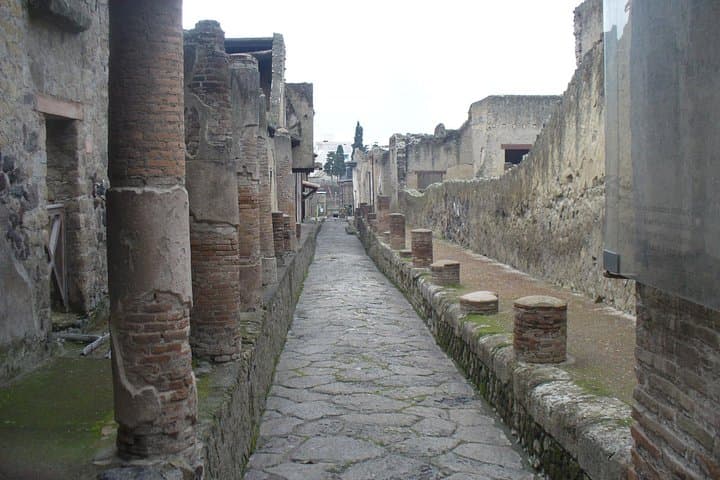
Local culture leans on volcanic soil: orchards, artisans in Torre del Greco crafting cameos, and cafés serving strong espresso to keep the pace. Expect uneven Roman paving, pockets of sun with little shade, and short walks between highlights.
Practical edge: tickets are not included—buy timed entries ahead to skip long lines. Wear sturdy walking shoes with good grip, bring 1–1.5 liters of water, sun protection, and a light rain layer in shoulder seasons. Allow 8–9 hours including transfers; moderate fitness makes the day comfortable. Guides can amplify the ruins’ stories; a driver handles logistics and timing, returning to the pickup in late afternoon.
No; municipal entrance tickets for Herculaneum, Oplontis and Pompeii are not included—purchase timed tickets in advance or ask the operator for guidance.
The tour departs from Naples with private transport and returns to the pickup point between about 4–5pm, depending on traffic.
Infants and small children can ride in strollers, but uneven surfaces and archaeological steps mean parents should be prepared to carry strollers at some points.
Guides are optional; local guides enhance historical context and can be recommended by the operator if you want deeper interpretation.
AmalfiDriver.com Tours & Transfers with Experience operates guided outdoor trips and adventures with an emphasis on safety, stewardship, and memorable experiences.
A low-slung van eases out of Naples at first light and the coastline slides by: salt air, concrete harbors, and Vesuvius brooding on the horizon. The day’s rhythm is set by the ash that changed everything in AD 79—two hours at Herculaneum, ninety minutes among the frescoes at Oplontis, and about two hours walking the grid of Pompeii before the return.
A low-slung van eases out of Naples at first light and the coastline slides by: salt air, concrete harbors, and Vesuvius brooding on the horizon. The day’s rhythm is set by the ash that changed everything in AD 79—two hours at Herculaneum, ninety minutes among the frescoes at Oplontis, and about two hours walking the grid of Pompeii before the return.
Herculaneum preserves wooden beams, upper floors and organic traces because hot pyroclastic surges carbonized what Pompeii’s ash did not. Oplontis (Villa Poppaea) sits nearer the coast and gives a window into elite Roman villa life: frescoes, garden alcoves, and mosaics linked to Poppaea Sabina. Pompeii’s streets, forums, and plaster casts expose daily routines frozen by pumice and ash; the geology is stark—layers of tephra, pumice fall and flow deposits from Mount Vesuvius.
Local culture leans on volcanic soil: orchards, artisans in Torre del Greco crafting cameos, and cafés serving strong espresso to keep the pace. Expect uneven Roman paving, pockets of sun with little shade, and short walks between highlights.
Practical edge: tickets are not included—buy timed entries ahead to skip long lines. Wear sturdy walking shoes with good grip, bring 1–1.5 liters of water, sun protection, and a light rain layer in shoulder seasons. Allow 8–9 hours including transfers; moderate fitness makes the day comfortable. Guides can amplify the ruins’ stories; a driver handles logistics and timing, returning to the pickup in late afternoon.