THE ADVENTURE COLLECTIVE® · Independent discovery and booking for outdoor travel

A concentrated, full-day tour through the Sacred Valley’s top Inca sites — Moray’s circular terraces, the salt pans of Maras, Chincheros’ markets, Ollantaytambo’s fortress and Pisac’s dramatic terraces. Ideal for travelers short on time who want a comprehensive cultural and geological overview.
A concentrated, full-day tour through the Sacred Valley’s top Inca sites — Moray’s circular terraces, the salt pans of Maras, Chincheros’ markets, Ollantaytambo’s fortress and Pisac’s dramatic terraces. Ideal for travelers short on time who want a comprehensive cultural and geological overview.
You start before dawn on a road that climbs out of Cusco, the Andes opening like pages as sunlight slices the high valleys. Cold air pushes against the bus windows; terraces step down to rivers that dare you to slow down and watch. By midmorning you stand above Moray’s concentric rings—an Inca agricultural amphitheater carved 150 meters into the earth where microclimates still teach about ancient field trials.
Verified experiences and guided adventures in the surrounding area.
Operated by Aventuras EcotrekPeru Tour Operador · Cusco, Cusco
You start before dawn on a road that climbs out of Cusco, the Andes opening like pages as sunlight slices the high valleys. Cold air pushes against the bus windows; terraces step down to rivers that dare you to slow down and watch. By midmorning you stand above Moray’s concentric rings—an Inca agricultural amphitheater carved 150 meters into the earth where microclimates still teach about ancient field trials.
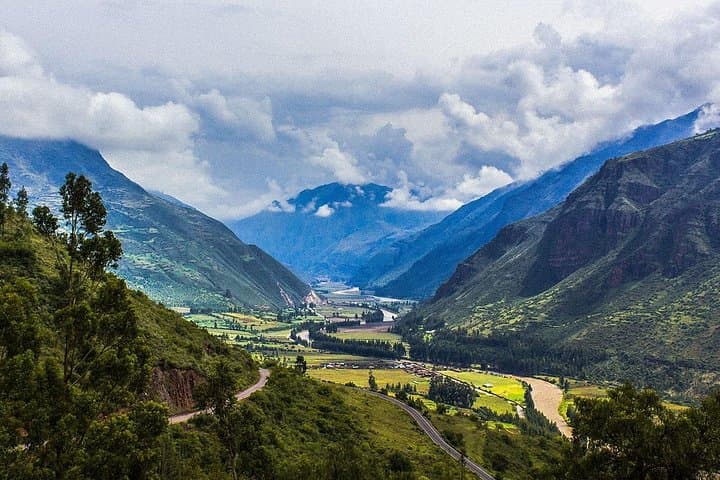
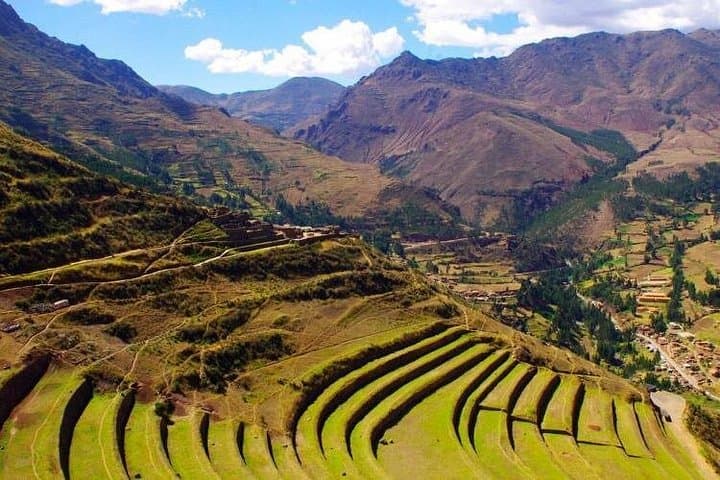
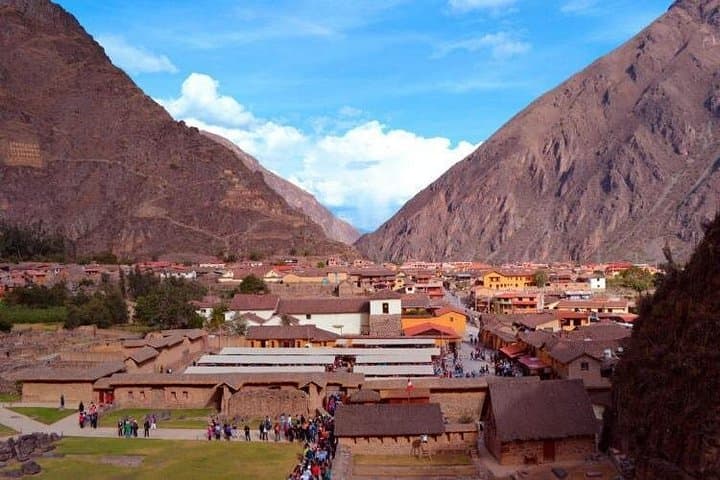
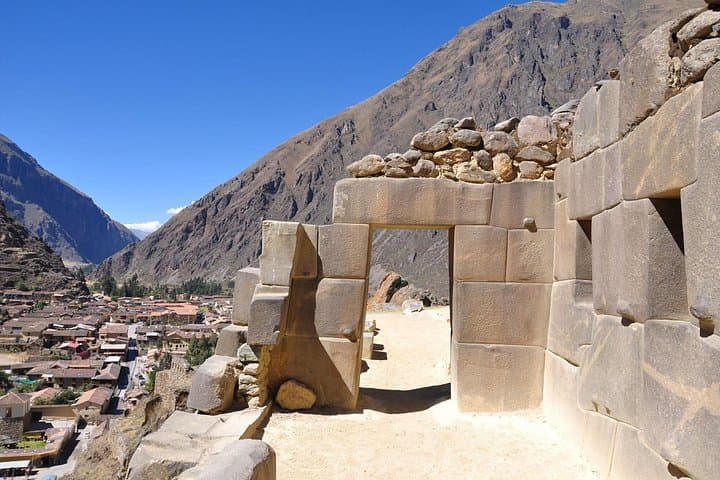
The valley’s geology is raw: uplifted volcanic soils, carved terraces, and alluvial fans that fed sophisticated irrigation. Maras’ salt pans glitter like a small galaxy—more than 3,000 shallow pools fed by a saline spring the Incas first harnessed for trade. Chincheros offers living culture: stone foundations, textile markets, and terraces that were once administrative and ritual spaces. Ollantaytambo reads as a fortress in stone—with massive platforms, water channels and storage warehouses where soldiers and farmers shaped the landscape. Pisac finishes the route with steep agricultural terraces and an Intiwatana platform that aligns with Andean solstice light.
Practical guide: expect a full 10-hour day at elevations between 2,800–3,700 m; pace yourself and hydrate. Terrain is a mix of paved roads, uneven stone paths and stepped terraces—good ankle support and layered clothing are essential. Bring sunscreen, a rain shell (afternoon showers are common in wet season), cash for markets, and your passport if connecting to the Ollantaytambo–Aguas Calientes train. If you’ve recently arrived in Cusco, allow 24–48 hours to acclimatize to reduce altitude strain. The route is dense with cultural history and visual payoff—plan extra time if you want to linger in markets or catch a late train to Machu Picchu.
This is a roughly 10-hour full-day tour visiting Moray, Maras salt mines, Chincheros, Ollantaytambo and Pisac, with a buffet lunch in Urubamba.
Admission is not included in the listed itinerary; confirm entrance fees for each site and the Inca sites ticket (Boleto Turístico) if required.
Yes—Ollantaytambo is the typical train departure point to Aguas Calientes; arrange train tickets in advance if you plan to overnight near Machu Picchu.
Yes—sites range from about 2,800 to 3,700 meters; acclimatize in Cusco, hydrate, move slowly, and consult a doctor about preventative measures if you have concerns.
Aventuras EcotrekPeru Tour Operador operates guided outdoor trips and adventures with an emphasis on safety, stewardship, and memorable experiences.
You start before dawn on a road that climbs out of Cusco, the Andes opening like pages as sunlight slices the high valleys. Cold air pushes against the bus windows; terraces step down to rivers that dare you to slow down and watch. By midmorning you stand above Moray’s concentric rings—an Inca agricultural amphitheater carved 150 meters into the earth where microclimates still teach about ancient field trials.
You start before dawn on a road that climbs out of Cusco, the Andes opening like pages as sunlight slices the high valleys. Cold air pushes against the bus windows; terraces step down to rivers that dare you to slow down and watch. By midmorning you stand above Moray’s concentric rings—an Inca agricultural amphitheater carved 150 meters into the earth where microclimates still teach about ancient field trials.
The valley’s geology is raw: uplifted volcanic soils, carved terraces, and alluvial fans that fed sophisticated irrigation. Maras’ salt pans glitter like a small galaxy—more than 3,000 shallow pools fed by a saline spring the Incas first harnessed for trade. Chincheros offers living culture: stone foundations, textile markets, and terraces that were once administrative and ritual spaces. Ollantaytambo reads as a fortress in stone—with massive platforms, water channels and storage warehouses where soldiers and farmers shaped the landscape. Pisac finishes the route with steep agricultural terraces and an Intiwatana platform that aligns with Andean solstice light.
Practical guide: expect a full 10-hour day at elevations between 2,800–3,700 m; pace yourself and hydrate. Terrain is a mix of paved roads, uneven stone paths and stepped terraces—good ankle support and layered clothing are essential. Bring sunscreen, a rain shell (afternoon showers are common in wet season), cash for markets, and your passport if connecting to the Ollantaytambo–Aguas Calientes train. If you’ve recently arrived in Cusco, allow 24–48 hours to acclimatize to reduce altitude strain. The route is dense with cultural history and visual payoff—plan extra time if you want to linger in markets or catch a late train to Machu Picchu.