THE ADVENTURE COLLECTIVE® · Independent discovery and booking for outdoor travel

Spend a focused day exploring the Sacred Valley’s Inca highlights with a private local guide—Ollantaytambo, Moray, Maras salt pans and Chinchero—without the rush of group tours. Learn about ancient agriculture, traditional weaving, and the valley’s geology while moving at your own pace.
Spend a focused day exploring the Sacred Valley’s Inca highlights with a private local guide—Ollantaytambo, Moray, Maras salt pans and Chinchero—without the rush of group tours. Learn about ancient agriculture, traditional weaving, and the valley’s geology while moving at your own pace.
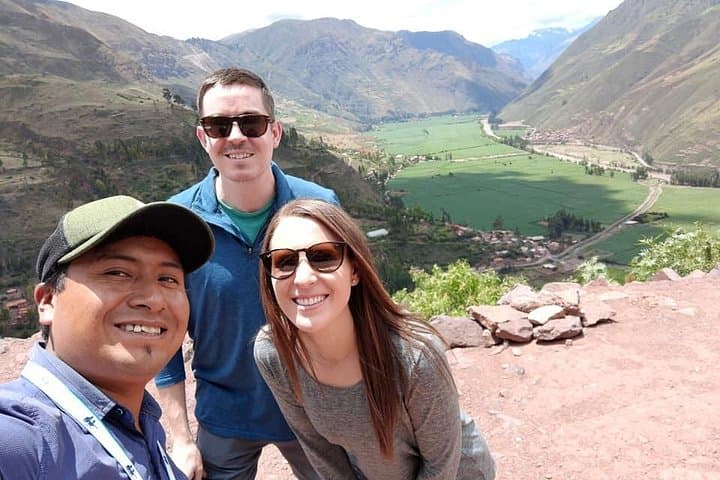
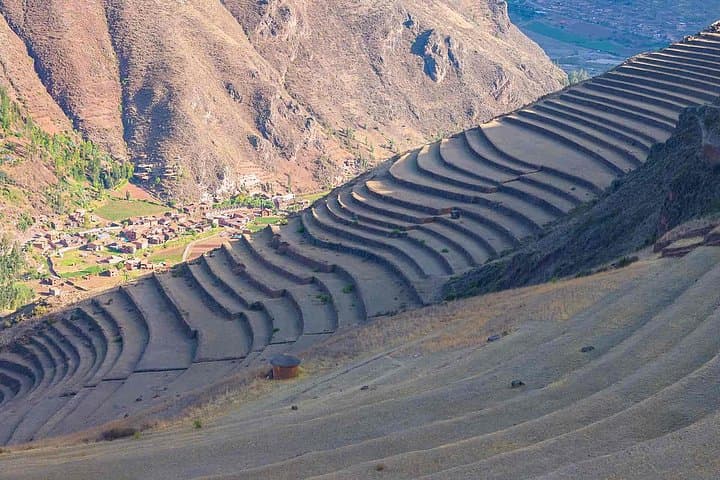
Morning light cuts across the high valley as you roll out from Urubamba toward stone stairways and terraces that still hold the shape of an empire. The road climbs and drops, and between the hamlets the Andes breathe—rivers daring you to follow their channels, wind pushing through terraces like an old guide.
Verified experiences and guided adventures in the surrounding area.
Operated by Cusco Local Friend · Ollantaytambo, Cusco
Morning light cuts across the high valley as you roll out from Urubamba toward stone stairways and terraces that still hold the shape of an empire. The road climbs and drops, and between the hamlets the Andes breathe—rivers daring you to follow their channels, wind pushing through terraces like an old guide.
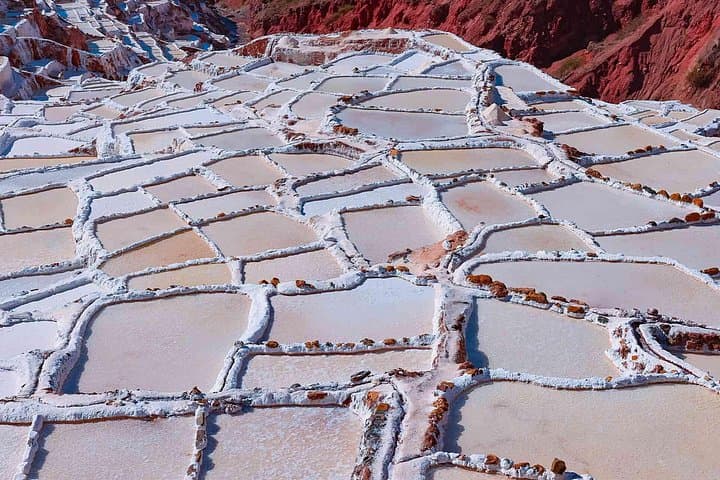
This private full-day tour threads together the Sacred Valley’s essential Inca sites: the fortress-temple complex at Ollantaytambo with its monumental terraces and waterworks; the concentric agricultural bowls of Moray that read like a prehistoric laboratory; the salt pans of Maras fed by a subterranean saline spring; and Chinchero, where Quechua weaving techniques remain in daily practice. Geologically the valley is carved by glacial and river action, leaving steep terraces on volcanic tuff and obsidian-rich soils that drew intensive Inca agronomy.
Culturally you’ll meet communities still practicing traditional dyeing and backstrap weaving; historically these places were core to Inca food production and trade routes between Cusco and the high puna.
Practical edge: expect high altitude (3,000–3,600 m), uneven stone steps, and a lot of short walks between viewpoints. Bring small bills for entrance fees, allow time for photo stops, and plan lunch in a local restaurant (not included). A private guide keeps the pace flexible—use the extra time to ask about terrace irrigation, textile patterns, or the salt-harvesting process. Start early to beat afternoon light and, if you’re sensitive to altitude, hydrate and move deliberately—this valley rewards a steady pace.
No; entrance fees to archaeological sites and any local museums are typically paid separately on-site.
Yes—pickup from your accommodation in the Sacred Valley is included as part of the private tour logistics.
No; the itinerary allows time for a lunch stop at a local restaurant but food is not included in the tour price.
Sites sit between roughly 3,000–3,700 m; mild altitude symptoms are common—hydrate, eat lightly, and move at a steady pace; consider Acetazolamide only after consulting a physician.
Cusco Local Friend operates guided outdoor trips and adventures with an emphasis on safety, stewardship, and memorable experiences.
Morning light cuts across the high valley as you roll out from Urubamba toward stone stairways and terraces that still hold the shape of an empire. The road climbs and drops, and between the hamlets the Andes breathe—rivers daring you to follow their channels, wind pushing through terraces like an old guide.
Morning light cuts across the high valley as you roll out from Urubamba toward stone stairways and terraces that still hold the shape of an empire. The road climbs and drops, and between the hamlets the Andes breathe—rivers daring you to follow their channels, wind pushing through terraces like an old guide.
This private full-day tour threads together the Sacred Valley’s essential Inca sites: the fortress-temple complex at Ollantaytambo with its monumental terraces and waterworks; the concentric agricultural bowls of Moray that read like a prehistoric laboratory; the salt pans of Maras fed by a subterranean saline spring; and Chinchero, where Quechua weaving techniques remain in daily practice. Geologically the valley is carved by glacial and river action, leaving steep terraces on volcanic tuff and obsidian-rich soils that drew intensive Inca agronomy.
Culturally you’ll meet communities still practicing traditional dyeing and backstrap weaving; historically these places were core to Inca food production and trade routes between Cusco and the high puna.
Practical edge: expect high altitude (3,000–3,600 m), uneven stone steps, and a lot of short walks between viewpoints. Bring small bills for entrance fees, allow time for photo stops, and plan lunch in a local restaurant (not included). A private guide keeps the pace flexible—use the extra time to ask about terrace irrigation, textile patterns, or the salt-harvesting process. Start early to beat afternoon light and, if you’re sensitive to altitude, hydrate and move deliberately—this valley rewards a steady pace.