THE ADVENTURE COLLECTIVE® · Independent discovery and booking for outdoor travel

Explore Pisac terraces, the living Inca town of Ollantaytambo, and the textile traditions of Chincheros in a single, well-paced day from Cusco. This small-group tour mixes archeology, market stops, and local craft demonstrations with hotel pickup and transport.
Explore Pisac terraces, the living Inca town of Ollantaytambo, and the textile traditions of Chincheros in a single, well-paced day from Cusco. This small-group tour mixes archeology, market stops, and local craft demonstrations with hotel pickup and transport.
You leave Cusco before dawn and the road unspools through high puna grasslands while the Vilcanota River dares you to watch the landscape change. By midmorning sunlight, the terraces at Pisac sweep across the valley like stepped pages; later the stone grid of Ollantaytambo rises from its river plain, still inhabited and working the same streets that the Incas laid out centuries ago.
Verified experiences and guided adventures in the surrounding area.
Operated by Inversiones Andean Fusion Sociedad Anonima Cerrada - Inanfu S.A.C. · Cusco, Cusco
You leave Cusco before dawn and the road unspools through high puna grasslands while the Vilcanota River dares you to watch the landscape change. By midmorning sunlight, the terraces at Pisac sweep across the valley like stepped pages; later the stone grid of Ollantaytambo rises from its river plain, still inhabited and working the same streets that the Incas laid out centuries ago.
The Sacred Valley occupies a geologic corridor cut by the Urubamba (Vilcanota) River where glacial and fluvial action exposed fertile soils and built natural routes through the Andes. The Incas amplified those advantages with high-altitude agriculture—broad terraces, precise irrigation, and stonework that resists frost and rain. Chincheros adds a cultural layer: a living textile tradition where natural dyes and backstrap loom techniques are still practiced.
On a practical level this is a long but accessible day: expect 10–11 hours, short uphill walks at 3,000–3,400 meters elevation, and cobbled streets underfoot. Wear broken-in walking shoes, bring sunscreen, and carry water to handle the thin air and strong sun. Consider acclimatizing in Cusco for 24–48 hours prior to the tour.
Timing matters. The dry season (May–September) offers clearer views and easier walking; the wet season brings dramatic clouds and slick stone. Guides commonly allow a stop at Ollantaytambo train station if you plan to continue to Aguas Calientes. With a small-group guide, the tour balances history, hands-on craft demonstrations, and room to move—a full day of Inca engineering, living culture, and river-carved valley scenery.
The tour is approximately 10–11 hours; morning pickup times vary by hotel but generally begin early to reach Pisac by midmorning.
Yes — there is an option to end at Ollantaytambo train station around 16:00 to connect to Aguas Calientes and Machu Picchu.
Admission fees are generally not included; check your booking details and bring cash or card to purchase tickets if required.
The tour is marked suitable for all fitness levels, but children and anyone with cardiovascular issues should consult their doctor due to altitude and long day length.
Inversiones Andean Fusion Sociedad Anonima Cerrada - Inanfu S.A.C. operates guided outdoor trips and adventures with an emphasis on safety, stewardship, and memorable experiences.
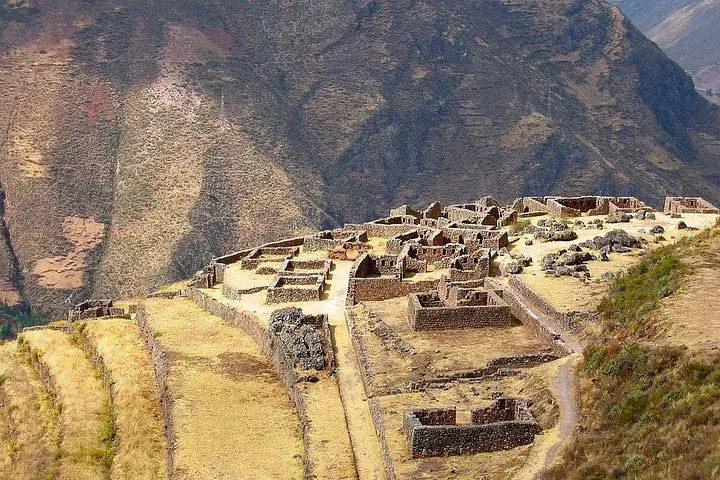
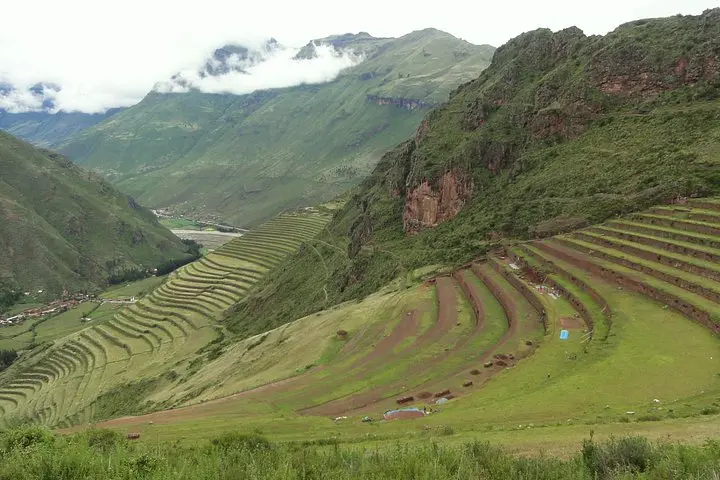
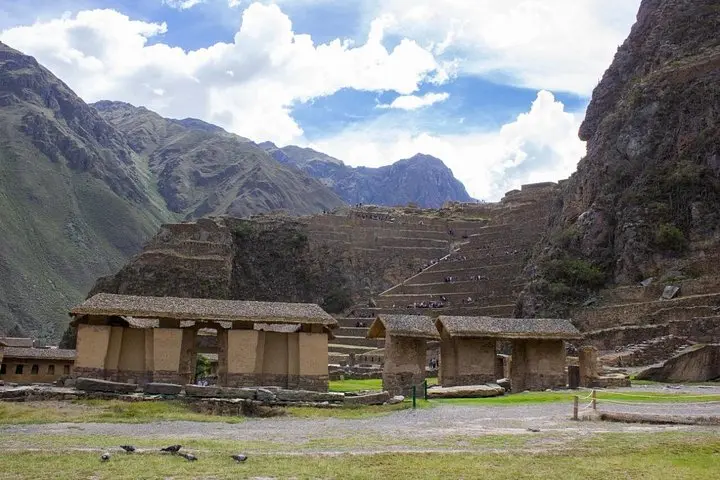
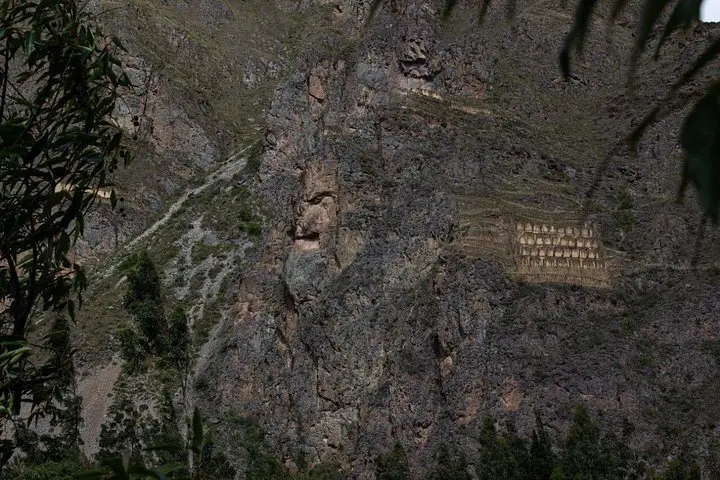
You leave Cusco before dawn and the road unspools through high puna grasslands while the Vilcanota River dares you to watch the landscape change. By midmorning sunlight, the terraces at Pisac sweep across the valley like stepped pages; later the stone grid of Ollantaytambo rises from its river plain, still inhabited and working the same streets that the Incas laid out centuries ago.
You leave Cusco before dawn and the road unspools through high puna grasslands while the Vilcanota River dares you to watch the landscape change. By midmorning sunlight, the terraces at Pisac sweep across the valley like stepped pages; later the stone grid of Ollantaytambo rises from its river plain, still inhabited and working the same streets that the Incas laid out centuries ago.
The Sacred Valley occupies a geologic corridor cut by the Urubamba (Vilcanota) River where glacial and fluvial action exposed fertile soils and built natural routes through the Andes. The Incas amplified those advantages with high-altitude agriculture—broad terraces, precise irrigation, and stonework that resists frost and rain. Chincheros adds a cultural layer: a living textile tradition where natural dyes and backstrap loom techniques are still practiced.
On a practical level this is a long but accessible day: expect 10–11 hours, short uphill walks at 3,000–3,400 meters elevation, and cobbled streets underfoot. Wear broken-in walking shoes, bring sunscreen, and carry water to handle the thin air and strong sun. Consider acclimatizing in Cusco for 24–48 hours prior to the tour.
Timing matters. The dry season (May–September) offers clearer views and easier walking; the wet season brings dramatic clouds and slick stone. Guides commonly allow a stop at Ollantaytambo train station if you plan to continue to Aguas Calientes. With a small-group guide, the tour balances history, hands-on craft demonstrations, and room to move—a full day of Inca engineering, living culture, and river-carved valley scenery.