THE ADVENTURE COLLECTIVE® · Independent discovery and booking for outdoor travel

Spend a full day driving the Sacred Valley’s major sites—Pisac, Moray, Maras and Ollantaytambo—where Inca engineering still shapes the land. This fast-paced tour blends archaeological highlights with landscape photography and local culture.
Spend a full day driving the Sacred Valley’s major sites—Pisac, Moray, Maras and Ollantaytambo—where Inca engineering still shapes the land. This fast-paced tour blends archaeological highlights with landscape photography and local culture.
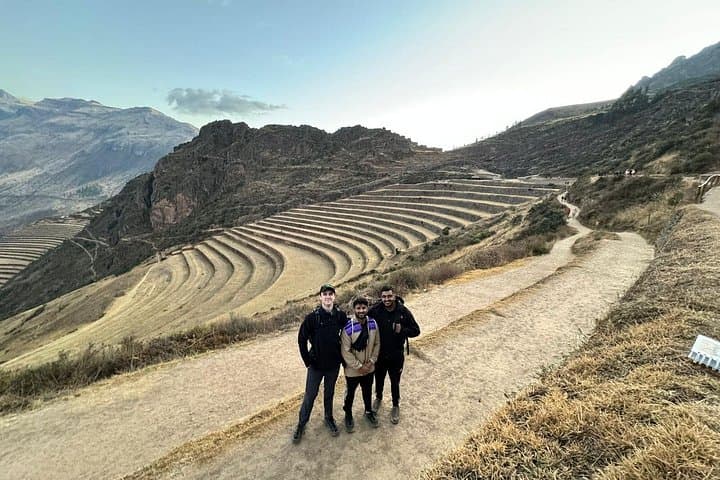
The day opens before dawn in Cusco as a minivan pulls out into thinning light and the highland air pushes at the windows. Roads carve through the Andean spine; terraces and stone walls appear like stage sets as the valley widens. By mid-morning the group spills onto the terraces of Pisac—wind and sun testing hats while the ruin’s carved stones keep a cool, ancient silence.
Verified experiences and guided adventures in the surrounding area.
Operated by Gets Travel Peru · Ollantaytambo, Cusco
The day opens before dawn in Cusco as a minivan pulls out into thinning light and the highland air pushes at the windows. Roads carve through the Andean spine; terraces and stone walls appear like stage sets as the valley widens. By mid-morning the group spills onto the terraces of Pisac—wind and sun testing hats while the ruin’s carved stones keep a cool, ancient silence.
This itinerary threads together the region’s agricultural genius and colonial overlays. Moray’s concentric terraces read like a prehistoric laboratory where the Incas tuned microclimates; Maras’ salt pans fan out in a geometric mosaic driven by a millennia-old evaporation tradition; Ollantaytambo holds a fortress of monoliths and water temples that still direct river flow to terraced fields below.
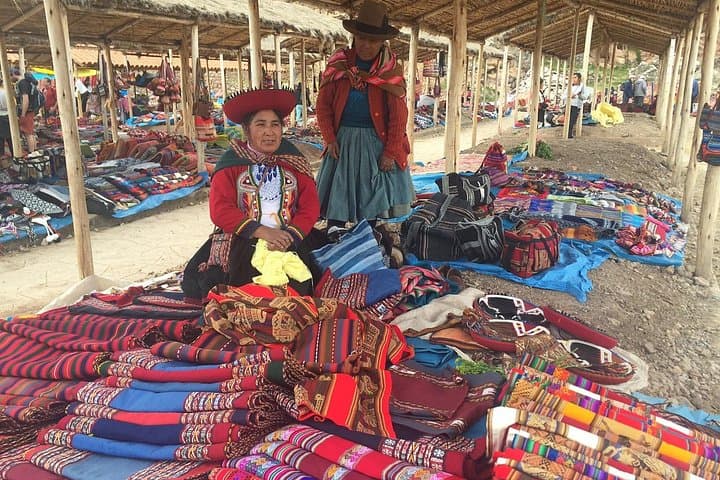
Geology here is blunt: uplifted volcanic rock, eroded valleys and rivers that dared the Incas to manipulate gradients for irrigation. Culture feels present—Quechua-speaking communities, market stalls where textiles are still woven the old way, and churches built on Inca platforms.
Practical guidance: expect long days and high altitude—Acclimatize in Cusco for at least 24–48 hours if possible. Walking at each stop ranges from short birding paths to steep stone stairways; solid shoes and layers matter more than speed. Carry water, sunscreen, and small local currency for markets.
Timing is everything for photography: late morning light softens the terraces, while afternoon shadows sculpt the fortress at Ollantaytambo. Respect the sites—stay on marked paths, avoid touching carved stone, and buy from local artisans to support the valley communities.
The full-day tour departs early (around 6:15am) and returns between 6:30–7:00pm, totaling roughly 12 hours including transport and stops.
A buffet lunch at a tourist restaurant is included; you’ll have about 45 minutes to eat at the scheduled stop.
Yes—this tour includes hotel pickup in Cusco; confirm your pickup location during booking.
The tour involves walks on uneven, stepped terrain at each archaeological site; it’s suitable for those who can manage short climbs but not for people requiring wheelchair access.
Gets Travel Peru operates guided outdoor trips and adventures with an emphasis on safety, stewardship, and memorable experiences.

The day opens before dawn in Cusco as a minivan pulls out into thinning light and the highland air pushes at the windows. Roads carve through the Andean spine; terraces and stone walls appear like stage sets as the valley widens. By mid-morning the group spills onto the terraces of Pisac—wind and sun testing hats while the ruin’s carved stones keep a cool, ancient silence.
The day opens before dawn in Cusco as a minivan pulls out into thinning light and the highland air pushes at the windows. Roads carve through the Andean spine; terraces and stone walls appear like stage sets as the valley widens. By mid-morning the group spills onto the terraces of Pisac—wind and sun testing hats while the ruin’s carved stones keep a cool, ancient silence.
This itinerary threads together the region’s agricultural genius and colonial overlays. Moray’s concentric terraces read like a prehistoric laboratory where the Incas tuned microclimates; Maras’ salt pans fan out in a geometric mosaic driven by a millennia-old evaporation tradition; Ollantaytambo holds a fortress of monoliths and water temples that still direct river flow to terraced fields below.
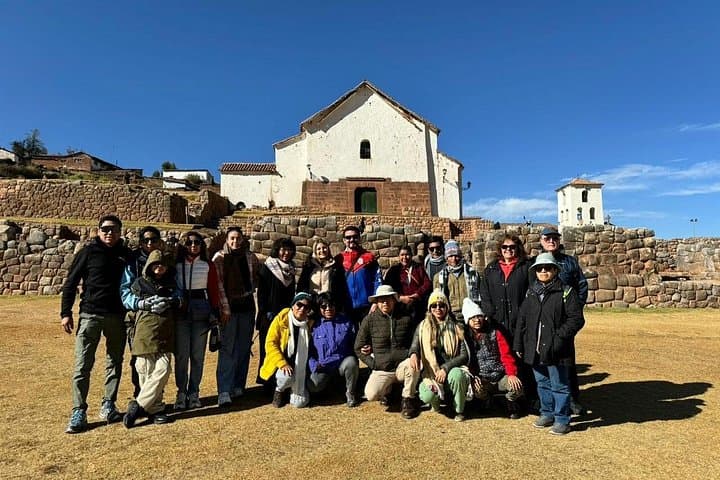
Geology here is blunt: uplifted volcanic rock, eroded valleys and rivers that dared the Incas to manipulate gradients for irrigation. Culture feels present—Quechua-speaking communities, market stalls where textiles are still woven the old way, and churches built on Inca platforms.
Practical guidance: expect long days and high altitude—Acclimatize in Cusco for at least 24–48 hours if possible. Walking at each stop ranges from short birding paths to steep stone stairways; solid shoes and layers matter more than speed. Carry water, sunscreen, and small local currency for markets.
Timing is everything for photography: late morning light softens the terraces, while afternoon shadows sculpt the fortress at Ollantaytambo. Respect the sites—stay on marked paths, avoid touching carved stone, and buy from local artisans to support the valley communities.