THE ADVENTURE COLLECTIVE® · Independent discovery and booking for outdoor travel

Spend a full day tracing Inca mastery through Pisac, Ollantaytambo and Chinchero. This guided loop from Cusco combines dramatic terraces, living markets and colonial-era sites with practical on-the-ground tips for a high-altitude cultural day trip.
Spend a full day tracing Inca mastery through Pisac, Ollantaytambo and Chinchero. This guided loop from Cusco combines dramatic terraces, living markets and colonial-era sites with practical on-the-ground tips for a high-altitude cultural day trip.
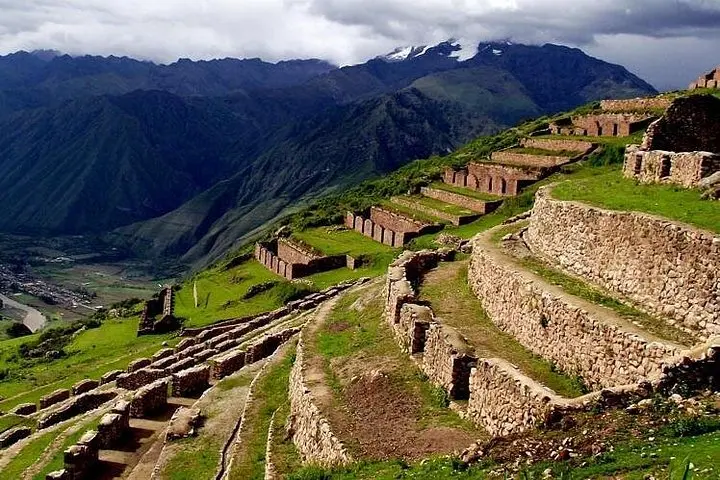
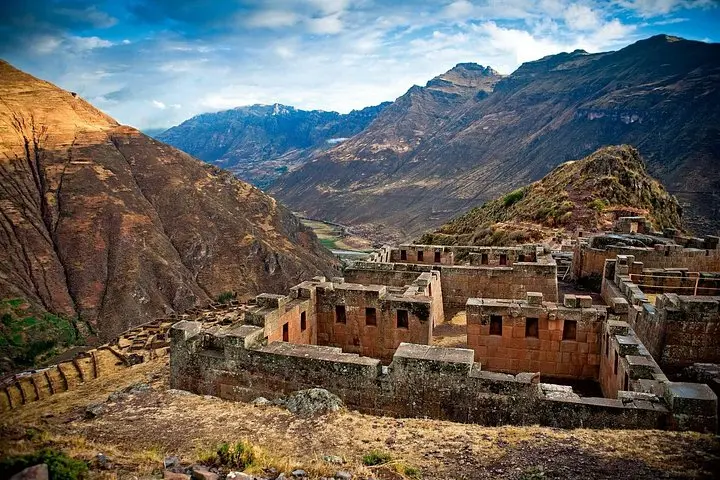
A crisp mountain light washes over terraced slopes as the minibus hums out of Cusco at 8:30 a.m., folding travelers into the high plain where the Urubamba River dares you to look downstream. The tour opens in Pisac, where stone walls climb the valley like written records: finely cut niches, trapezoidal doorways and agricultural bands that show the Incas’ engineering logic.
Verified experiences and guided adventures in the surrounding area.
Operated by Peru Sites · Cusco, Cusco
A crisp mountain light washes over terraced slopes as the minibus hums out of Cusco at 8:30 a.m., folding travelers into the high plain where the Urubamba River dares you to look downstream. The tour opens in Pisac, where stone walls climb the valley like written records: finely cut niches, trapezoidal doorways and agricultural bands that show the Incas’ engineering logic.
Geology here is visible and muscular — folded volcanic and sedimentary layers carved by glacial action and river erosion. Archaeology and living culture braid together in market towns where weavers still dye alpaca with natural pigments and the colonial church facades in Chinchero sit atop pre-Hispanic palace foundations. Ollantaytambo’s monolithic terraces and angled blocks reveal both a military posture and an agricultural brain: irrigation channels, storage areas and plazas aligned to the valley’s microclimates.
Practical guidance is as straightforward as the route: expect a full 11-hour day with short walks on uneven stone floors and stepped terraces; comfortable walking shoes and moderate altitude awareness are essential. Bring sunscreen, water, small bills for local craft stalls and a layered jacket for sudden sun-to-wind shifts. Lunch in Urubamba is typically a buffet that highlights regional potatoes and quinoa dishes.
This day tour is cultural and accessible — not a technical hike — but it rewards stepped attention: the scale of stone, the skill of weavers, and the living landscape shaped by centuries of human stewardship. Plan for early pickup from Cusco, allow extra time for photography stops, and respect signage around fragile terraces to help preserve them for the next visitor.
Entrance fees to specific sites may be included by the operator; check your booking details—if not, carry cash to purchase entry at sites like Pisac or Ollantaytambo.
Yes—this tour is rated easy with short walks; infants must sit on laps and participants should be able to board a coach and walk short uneven sections.
Expect short circuits of 20–45 minutes at Pisac and Ollantaytambo, plus brief market strolls in Chinchero; the day is mostly driven between sites.
Lunch is a buffet in Urubamba; dietary restrictions can usually be accommodated if you notify the operator in advance during booking.
Peru Sites operates guided outdoor trips and adventures with an emphasis on safety, stewardship, and memorable experiences.
A crisp mountain light washes over terraced slopes as the minibus hums out of Cusco at 8:30 a.m., folding travelers into the high plain where the Urubamba River dares you to look downstream. The tour opens in Pisac, where stone walls climb the valley like written records: finely cut niches, trapezoidal doorways and agricultural bands that show the Incas’ engineering logic.
A crisp mountain light washes over terraced slopes as the minibus hums out of Cusco at 8:30 a.m., folding travelers into the high plain where the Urubamba River dares you to look downstream. The tour opens in Pisac, where stone walls climb the valley like written records: finely cut niches, trapezoidal doorways and agricultural bands that show the Incas’ engineering logic.
Geology here is visible and muscular — folded volcanic and sedimentary layers carved by glacial action and river erosion. Archaeology and living culture braid together in market towns where weavers still dye alpaca with natural pigments and the colonial church facades in Chinchero sit atop pre-Hispanic palace foundations. Ollantaytambo’s monolithic terraces and angled blocks reveal both a military posture and an agricultural brain: irrigation channels, storage areas and plazas aligned to the valley’s microclimates.
Practical guidance is as straightforward as the route: expect a full 11-hour day with short walks on uneven stone floors and stepped terraces; comfortable walking shoes and moderate altitude awareness are essential. Bring sunscreen, water, small bills for local craft stalls and a layered jacket for sudden sun-to-wind shifts. Lunch in Urubamba is typically a buffet that highlights regional potatoes and quinoa dishes.
This day tour is cultural and accessible — not a technical hike — but it rewards stepped attention: the scale of stone, the skill of weavers, and the living landscape shaped by centuries of human stewardship. Plan for early pickup from Cusco, allow extra time for photography stops, and respect signage around fragile terraces to help preserve them for the next visitor.