THE ADVENTURE COLLECTIVE® · Independent discovery and booking for outdoor travel

Spend a full day exploring the Sacred Valley’s highlights: Chinchero’s textiles, Moray’s terraces, Maras’ salt pans, Ollantaytambo’s fortress and Pisac’s terraces. This guided, small-group tour pairs accessible walking with cultural context and round-trip transport from Cusco.
Spend a full day exploring the Sacred Valley’s highlights: Chinchero’s textiles, Moray’s terraces, Maras’ salt pans, Ollantaytambo’s fortress and Pisac’s terraces. This guided, small-group tour pairs accessible walking with cultural context and round-trip transport from Cusco.
A cool highland air meets the bus' rumble as the group peels out of Cusco at first light. Fields step down the valley in neat green ribs, stone stairways glint where terraces catch the sun, and llamas stand like patient sentinels on ridgelines. This full-day circuit stitches together five of the Sacred Valley’s most visible chapters of Inca life — Chinchero, Moray, Maras, Ollantaytambo and Písac — moving from textile markets and temple foundations to experimental agricultural terraces and gleaming salt pans.
Verified experiences and guided adventures in the surrounding area.
Operated by Machupicchu Adventure · Cusco, Cusco
A cool highland air meets the bus' rumble as the group peels out of Cusco at first light. Fields step down the valley in neat green ribs, stone stairways glint where terraces catch the sun, and llamas stand like patient sentinels on ridgelines. This full-day circuit stitches together five of the Sacred Valley’s most visible chapters of Inca life — Chinchero, Moray, Maras, Ollantaytambo and Písac — moving from textile markets and temple foundations to experimental agricultural terraces and gleaming salt pans.
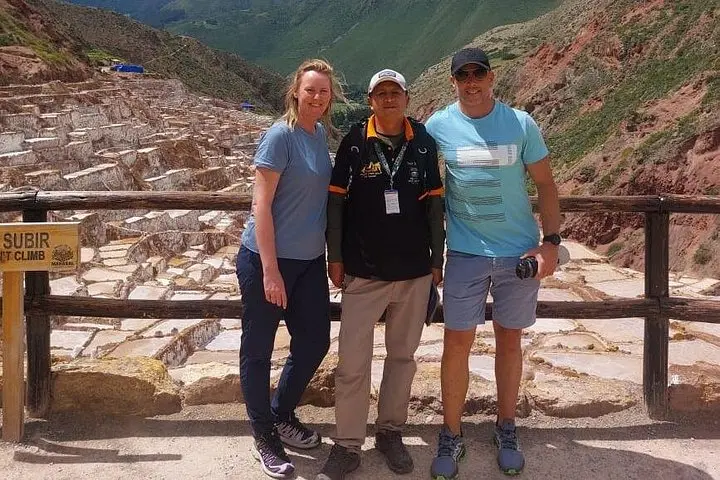
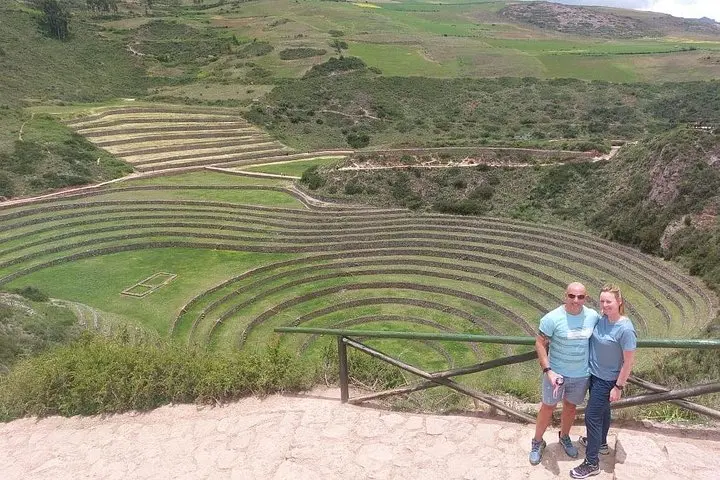
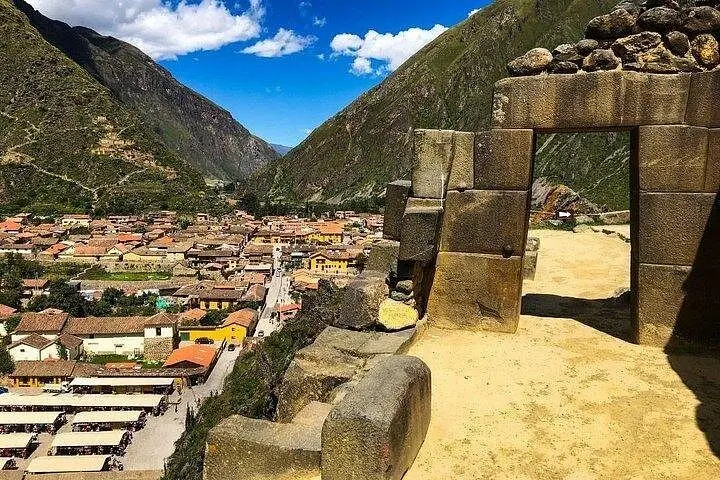
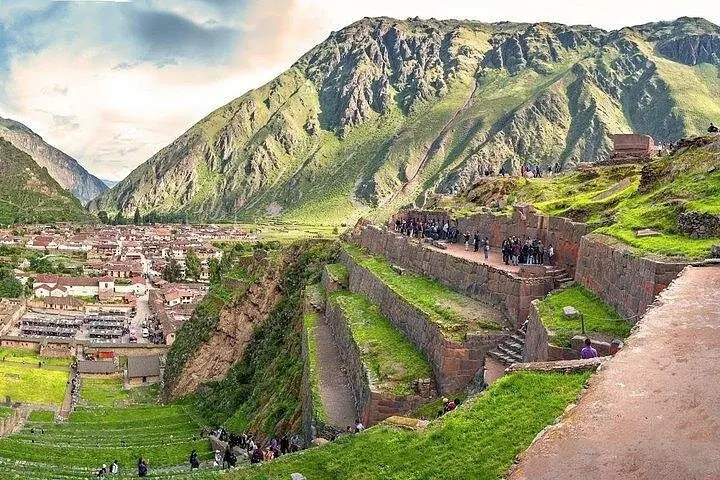
Geology here is blunt: river-cut valleys and volcanic-derived soils shaped the terraces and channels Incas built to control microclimates. Moray’s concentric bowls are an engineering experiment — a natural amphitheater turned laboratory for crop trials — while Maras’ salt pools are an open-air extraction system that predates the Inca. Ollantaytambo stands as a military and ceremonial stonework complex perched against a granite slope; Pisac combines defensive terraces with a sprawling cemetery above the town.
Culturally, the route threads into living Quechua traditions: Chinchero’s weaving demonstrations and market stalls are good places to see ancestral techniques. Expect sustained walking on uneven stone steps and short ledges of high altitude between 3,000–3,700 m.
Practical guidance: depart early from Cusco, carry layered clothing for sun and wind, bring sunscreen, water and small bills for local vendors and the salt-mines viewpoint. Allow time for photo stops, and check whether site entrance fees are covered by your operator. Pace yourself to avoid altitude strain; the tour’s comfortable transport and guide make this a concentrated way to absorb landscape, history and local craft in a single, active day.
Tours typically depart early from Cusco in the morning and return in the late afternoon or evening; confirm exact pickup time with the operator.
Inclusion varies by operator—this tour lists lunch, guide, transport and hotel pickup; verify whether archaeological site entrance fees are covered before departure.
The tour involves uneven stone steps and short steep sections at archaeological sites; it’s not recommended for travelers with serious mobility limitations or spinal problems.
Acclimatize with at least one overnight in Cusco, hydrate well, avoid heavy meals and alcohol before the tour, and discuss medication like acetazolamide with your doctor if you’re prone to symptoms.
Machupicchu Adventure operates guided outdoor trips and adventures with an emphasis on safety, stewardship, and memorable experiences.
A cool highland air meets the bus' rumble as the group peels out of Cusco at first light. Fields step down the valley in neat green ribs, stone stairways glint where terraces catch the sun, and llamas stand like patient sentinels on ridgelines. This full-day circuit stitches together five of the Sacred Valley’s most visible chapters of Inca life — Chinchero, Moray, Maras, Ollantaytambo and Písac — moving from textile markets and temple foundations to experimental agricultural terraces and gleaming salt pans.
A cool highland air meets the bus' rumble as the group peels out of Cusco at first light. Fields step down the valley in neat green ribs, stone stairways glint where terraces catch the sun, and llamas stand like patient sentinels on ridgelines. This full-day circuit stitches together five of the Sacred Valley’s most visible chapters of Inca life — Chinchero, Moray, Maras, Ollantaytambo and Písac — moving from textile markets and temple foundations to experimental agricultural terraces and gleaming salt pans.
Geology here is blunt: river-cut valleys and volcanic-derived soils shaped the terraces and channels Incas built to control microclimates. Moray’s concentric bowls are an engineering experiment — a natural amphitheater turned laboratory for crop trials — while Maras’ salt pools are an open-air extraction system that predates the Inca. Ollantaytambo stands as a military and ceremonial stonework complex perched against a granite slope; Pisac combines defensive terraces with a sprawling cemetery above the town.
Culturally, the route threads into living Quechua traditions: Chinchero’s weaving demonstrations and market stalls are good places to see ancestral techniques. Expect sustained walking on uneven stone steps and short ledges of high altitude between 3,000–3,700 m.
Practical guidance: depart early from Cusco, carry layered clothing for sun and wind, bring sunscreen, water and small bills for local vendors and the salt-mines viewpoint. Allow time for photo stops, and check whether site entrance fees are covered by your operator. Pace yourself to avoid altitude strain; the tour’s comfortable transport and guide make this a concentrated way to absorb landscape, history and local craft in a single, active day.