THE ADVENTURE COLLECTIVE® · Independent discovery and booking for outdoor travel

Spend a full day exploring the Sacred Valley’s living Inca heritage: Moray’s terraced experiment stations, Maras’ ancient salt pans, and the fortress-ruins of Ollantaytambo. This practical guide covers what to expect, how to prepare, and where to find authentic local encounters.
Spend a full day exploring the Sacred Valley’s living Inca heritage: Moray’s terraced experiment stations, Maras’ ancient salt pans, and the fortress-ruins of Ollantaytambo. This practical guide covers what to expect, how to prepare, and where to find authentic local encounters.
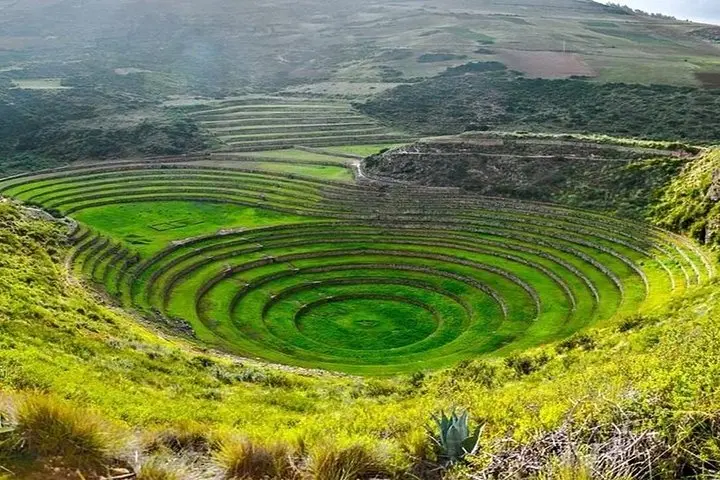
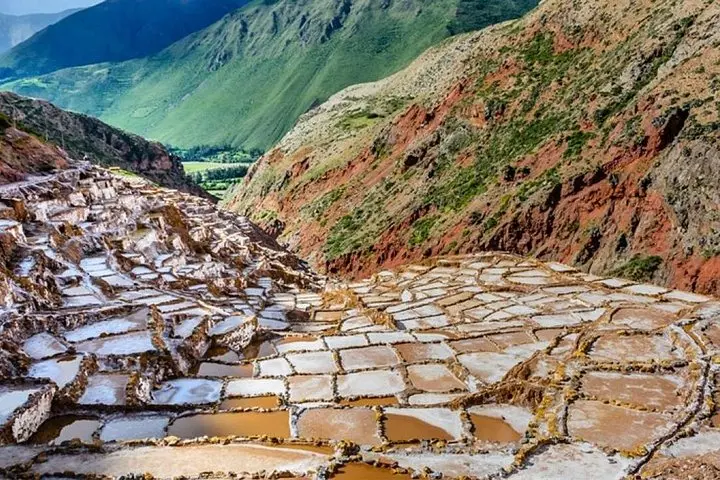
Dawn finds the bus slipping out of Cusco and into light that sharpens the valley’s terraces—air cool, river daring you downstream. The road climbs and opens onto cultivated slopes, salt pans glittering like a constellation, and circular agricultural amphitheaters that feel engineered by a people who read microclimates.
Verified experiences and guided adventures in the surrounding area.
Operated by Tayra Tours Adventures · Urubamba, Cusco
Dawn finds the bus slipping out of Cusco and into light that sharpens the valley’s terraces—air cool, river daring you downstream. The road climbs and opens onto cultivated slopes, salt pans glittering like a constellation, and circular agricultural amphitheaters that feel engineered by a people who read microclimates.
The Sacred Valley sits where Andean geology and human ingenuity meet. Glacial carving and uplift created steep-sided valleys and fertile alluvial terraces that the Inca intensified into an agricultural laboratory at Moray. Maras’ salt pans collect mineral-rich spring water that locals still harvest by hand, while Ollantaytambo’s stonework reveals Inca construction techniques designed to withstand seismic stress and manage water flows.
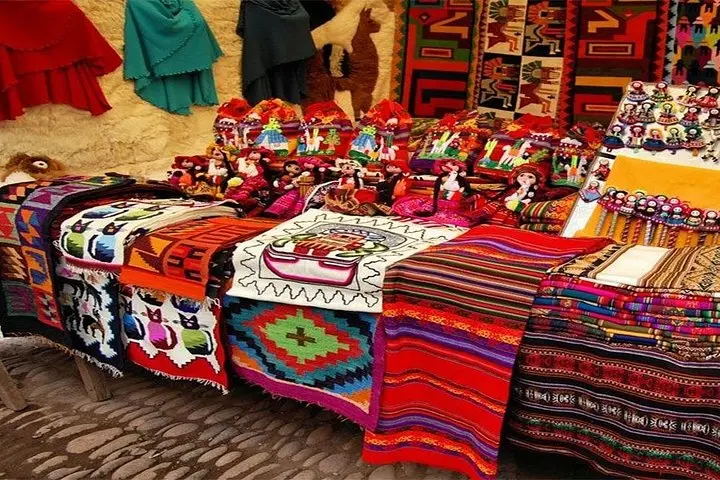
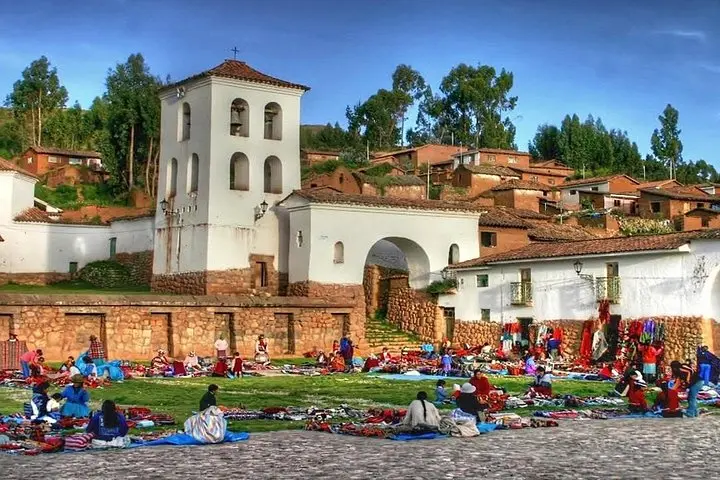
Culturally, the valley remains Quechua-speaking and rhythmically agricultural: llamas browse terraces, weavers dye wool with natural pigments, and markets in Pisaq and Ollantaytambo sell textiles poured from generations of technique.
Practical guidance: this full-day group trip typically runs from early morning to late afternoon (plan on 8–10 hours). Expect several easy-to-moderate walks on uneven, high-altitude stone paths; bring layers for sun and wind, and hydrate to counter altitude. Lunch is usually a riverside restaurant in Urubamba. Photography windows are frequent—arrive with charged batteries and local-currency small bills for market purchases. Respect terraces and salt works—stay on designated paths and ask before photographing people.
This route is ideal for travelers seeking an accessible, concentrated introduction to Inca agriculture, living highland culture, and dramatic Andean landscapes in a single, well-paced day.
This full-day group tour commonly runs 8–10 hours, usually departing early morning from Cusco; confirm pick-up time with the operator.
Altitude effects vary—spend a night or two in Cusco first, stay hydrated, avoid alcohol before the tour, and consider acetazolamide if you have prior issues (consult a doctor).
Entrance policies vary; many group tours include transfers and lunch but may not include some archaeological site entrance fees—check the booking details or ask the operator ahead of time.
Yes—this itinerary is described as physically easy, but it involves uneven terrain and long days; arrange comfortable pickup and communicate any mobility needs when booking.
Tayra Tours Adventures operates guided outdoor trips and adventures with an emphasis on safety, stewardship, and memorable experiences.
Dawn finds the bus slipping out of Cusco and into light that sharpens the valley’s terraces—air cool, river daring you downstream. The road climbs and opens onto cultivated slopes, salt pans glittering like a constellation, and circular agricultural amphitheaters that feel engineered by a people who read microclimates.
Dawn finds the bus slipping out of Cusco and into light that sharpens the valley’s terraces—air cool, river daring you downstream. The road climbs and opens onto cultivated slopes, salt pans glittering like a constellation, and circular agricultural amphitheaters that feel engineered by a people who read microclimates.
The Sacred Valley sits where Andean geology and human ingenuity meet. Glacial carving and uplift created steep-sided valleys and fertile alluvial terraces that the Inca intensified into an agricultural laboratory at Moray. Maras’ salt pans collect mineral-rich spring water that locals still harvest by hand, while Ollantaytambo’s stonework reveals Inca construction techniques designed to withstand seismic stress and manage water flows.
Culturally, the valley remains Quechua-speaking and rhythmically agricultural: llamas browse terraces, weavers dye wool with natural pigments, and markets in Pisaq and Ollantaytambo sell textiles poured from generations of technique.
Practical guidance: this full-day group trip typically runs from early morning to late afternoon (plan on 8–10 hours). Expect several easy-to-moderate walks on uneven, high-altitude stone paths; bring layers for sun and wind, and hydrate to counter altitude. Lunch is usually a riverside restaurant in Urubamba. Photography windows are frequent—arrive with charged batteries and local-currency small bills for market purchases. Respect terraces and salt works—stay on designated paths and ask before photographing people.
This route is ideal for travelers seeking an accessible, concentrated introduction to Inca agriculture, living highland culture, and dramatic Andean landscapes in a single, well-paced day.