THE ADVENTURE COLLECTIVE® · Independent discovery and booking for outdoor travel

Spend a full day in Tarangire National Park watching vast elephant herds gather along the river and exploring plains dotted with ancient baobabs. This practical guide outlines what to expect on a day safari, from drive time and terrain to wildlife and packing tips.
Spend a full day in Tarangire National Park watching vast elephant herds gather along the river and exploring plains dotted with ancient baobabs. This practical guide outlines what to expect on a day safari, from drive time and terrain to wildlife and packing tips.
Dust rises with the sun as a convoy pulls out of Arusha and heads south, the road opening into a wide plain where umbrella-thorn acacias and enormous baobabs puncture the skyline. The Tarangire River, narrow and steady, threads the park like a lifeline—animals converge on its banks and the landscape rearranges itself around water.
Verified experiences and guided adventures in the surrounding area.
Operated by Kilisa Tours & Safaris · Tarangire National Park, Manyara Region
Dust rises with the sun as a convoy pulls out of Arusha and heads south, the road opening into a wide plain where umbrella-thorn acacias and enormous baobabs puncture the skyline. The Tarangire River, narrow and steady, threads the park like a lifeline—animals converge on its banks and the landscape rearranges itself around water.
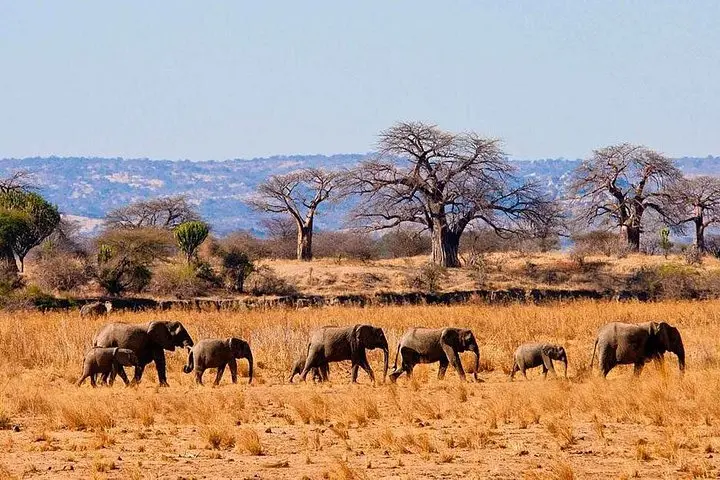
Tarangire sits on the eastern edge of the East African Rift; its shallow river channels and sandy plains reflect a landscape sculpted by tectonic shifts and seasonal floods. The park is famous for huge elephant herds that move in long, deliberate lines beneath century-old baobabs. Maasai pastoral culture shapes the buffer lands beyond the park; you’ll see grazing cattle and hear stories of coexistence between people and wildlife.
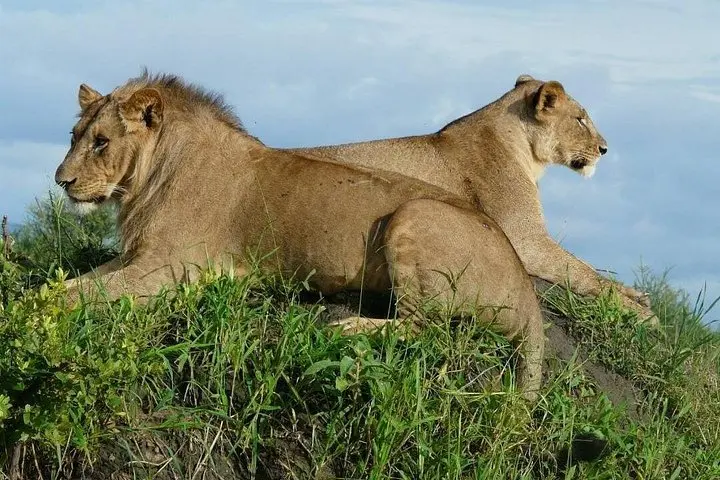
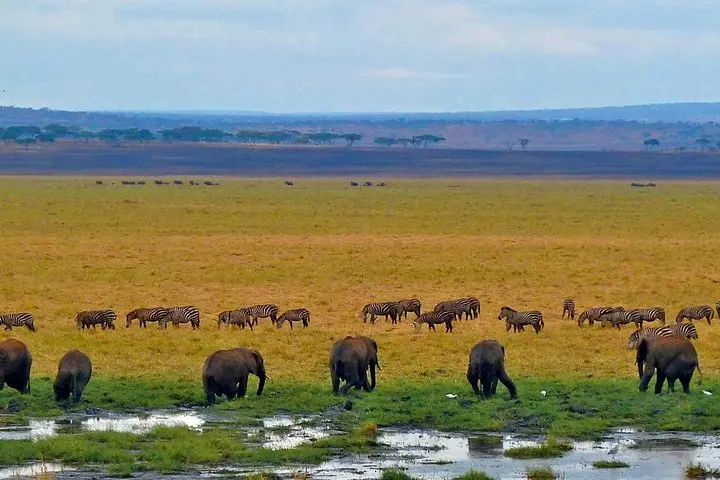
A typical day tour covers a 2–2.5 hour drive each way from Arusha with 4–6 hours of game viewing. Expect bumpy 4x4 tracks, short roadside walks at rest stops, and long stretches of observation from the vehicle. Wildlife highlights include lion, leopard (rare), giraffe, zebra, buffalo and a wealth of bird species—more than 300 have been recorded.
Practical notes: dress in layers for cool mornings and hot afternoons, bring binoculars and a dustproof camera cover, and carry cash for park fees or tips. Roads can become slow in the rains, so plan extra time if traveling November–May. Follow guide instructions closely—game drives are most successful when drivers use patient, low-speed observation rather than fast chases.
Expect about 1.5–2.5 hours each way depending on traffic and road conditions; most day tours include pickup and drop-off at Arusha hotels.
Tarangire is famous for large elephant concentrations, especially in the dry season (June–October), but sightings are never guaranteed—wildlife moves with water and forage.
Facilities are limited; lodges and designated picnic areas offer toilets, but bring hand sanitizer and small change for lodge amenities.
Yes, the activity is classified as easy and family-friendly, but infants must sit on laps and the long day can be tiring for very young children.
Kilisa Tours & Safaris operates guided outdoor trips and adventures with an emphasis on safety, stewardship, and memorable experiences.
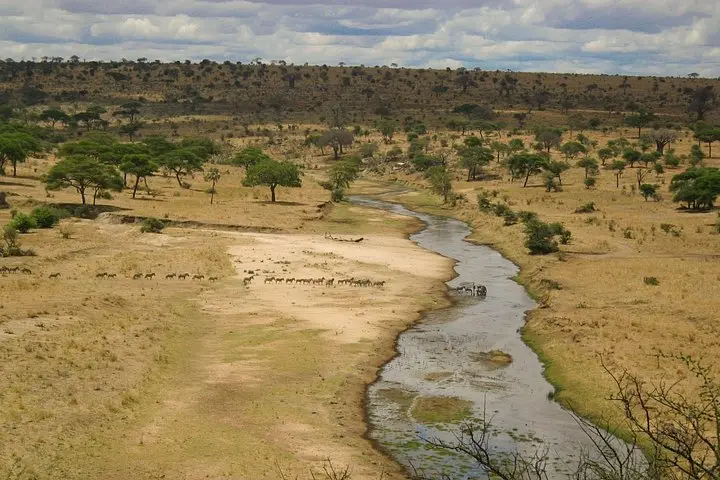
Dust rises with the sun as a convoy pulls out of Arusha and heads south, the road opening into a wide plain where umbrella-thorn acacias and enormous baobabs puncture the skyline. The Tarangire River, narrow and steady, threads the park like a lifeline—animals converge on its banks and the landscape rearranges itself around water.
Dust rises with the sun as a convoy pulls out of Arusha and heads south, the road opening into a wide plain where umbrella-thorn acacias and enormous baobabs puncture the skyline. The Tarangire River, narrow and steady, threads the park like a lifeline—animals converge on its banks and the landscape rearranges itself around water.
Tarangire sits on the eastern edge of the East African Rift; its shallow river channels and sandy plains reflect a landscape sculpted by tectonic shifts and seasonal floods. The park is famous for huge elephant herds that move in long, deliberate lines beneath century-old baobabs. Maasai pastoral culture shapes the buffer lands beyond the park; you’ll see grazing cattle and hear stories of coexistence between people and wildlife.
A typical day tour covers a 2–2.5 hour drive each way from Arusha with 4–6 hours of game viewing. Expect bumpy 4x4 tracks, short roadside walks at rest stops, and long stretches of observation from the vehicle. Wildlife highlights include lion, leopard (rare), giraffe, zebra, buffalo and a wealth of bird species—more than 300 have been recorded.
Practical notes: dress in layers for cool mornings and hot afternoons, bring binoculars and a dustproof camera cover, and carry cash for park fees or tips. Roads can become slow in the rains, so plan extra time if traveling November–May. Follow guide instructions closely—game drives are most successful when drivers use patient, low-speed observation rather than fast chases.