THE ADVENTURE COLLECTIVE® · Independent discovery and booking for outdoor travel

Spend a full day chasing humpbacks across Samaná Bay, unwind on the powder sands of Cayo Levantado, and ride to the 45‑meter cascade of El Limón. This full‑day tour from Cabeza de Toro stitches marine spectacle and inland adventure into one action‑packed itinerary.
Spend a full day chasing humpbacks across Samaná Bay, unwind on the powder sands of Cayo Levantado, and ride to the 45‑meter cascade of El Limón. This full‑day tour from Cabeza de Toro stitches marine spectacle and inland adventure into one action‑packed itinerary.
The day begins before breakfast, with minivans threading out of Punta Cana and the Caribbean light hardening as you head north. By the time the boat cuts through the glassy blue toward Samaná Bay, the sea has that focused, expectant hush that whales seem to prefer. Spouts lift like punctuation marks; the surface vibrates with distant song. Here the humpbacks are not a rumor — they are the main event: singing males, mothers with calves and the sudden artillery of a breach that sends spray arcing like confetti.
Verified experiences and guided adventures in the surrounding area.
Operated by Shelting Tours · Punta Cana, La Altagracia
The day begins before breakfast, with minivans threading out of Punta Cana and the Caribbean light hardening as you head north. By the time the boat cuts through the glassy blue toward Samaná Bay, the sea has that focused, expectant hush that whales seem to prefer. Spouts lift like punctuation marks; the surface vibrates with distant song. Here the humpbacks are not a rumor — they are the main event: singing males, mothers with calves and the sudden artillery of a breach that sends spray arcing like confetti.
Samaná Bay is a seasonal classroom of natural history. Each winter and early spring, North Atlantic humpbacks migrate thousands of kilometers to breed and calve in these warm Caribbean waters. Geologically the bay is carved from Miocene limestone and volcanic soils, and the coastline alternates between reef-protected coves and broad alluvial fans where rivers like the Yuna once carried mountain sediment to the sea. Cayo Levantado, the island stop on many tours, owes its soft, white sand to slow coral breakdown and riverine deposits, and its shallow turquoise shelf warms quickly in midday sun.
Culture rides alongside the nature here. In the towns around Samaná, fishing and small-scale agriculture shape a slower pace; at the ranch near El Limón, palm-thatched roofs and Dominican stews demonstrate how hospitality and local labor underpin tourism. The 45-meter drop at El Limón is a local landmark—reached by a 30-minute horseback ride across plantation trails and a brief scramble down to the plunge pool—where the water dares even the most determined sunbather to cool off.
Practical note: this is a full 8-hour day. Expect early pick-up from Cabeza de Toro and a long, itinerary-packed schedule: roughly 2–3 hours of whale-watch time on the water, an island stop for beach time and swimming, lunch at a ranch, and a horseback approach to the waterfall. Terrain ranges from flat boat decks to sandy shores and uneven, often muddy ranch trails to the waterfall; elevation gain at El Limón is modest but involves steps and roots. Sea conditions vary—calm mornings are best for sightings.
Pack reef-safe sunscreen, a light wind layer for the boat, and a waterproof phone case. If you’re prone to motion sickness, take precautions before boarding. Bring cash if you want local snacks or gratuities, and respect the viewing distance for whales—guides observe regulations to minimize disturbance. The reward is obvious: up-close whale behavior, a sugar-white island beach, and the thunderous finish of a jungle waterfall—all in one long, memorable day.
Expect roughly 2–3 hours on the water dedicated to whale observation, depending on sightings and sea conditions.
No — the ride to El Limón is typically about 30 minutes across gentle ranch trails and is suitable for beginners; notify guides if you’re nervous.
Yes — the tour includes a typical Dominican lunch at a local ranch as well as snacks.
Peak whale season in Samaná runs from January through March, though sightings can occur in surrounding months.
Roundtrip transportation from Cabeza de Toro / Punta Cana is included; pickup times vary so confirm your hotel pickup in advance.
Yes — there’s beach time for swimming at Cayo Levantado and a swim option at El Limón’s plunge pool; follow guides for safety and currents.
Shelting Tours operates guided outdoor trips and adventures with an emphasis on safety, stewardship, and memorable experiences.
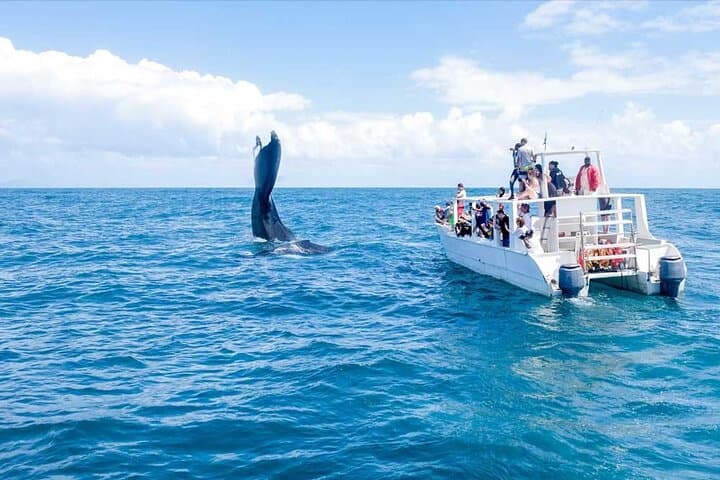


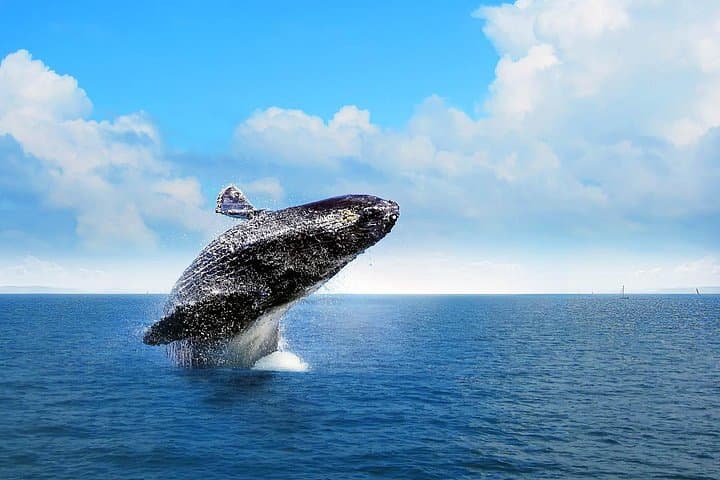
The day begins before breakfast, with minivans threading out of Punta Cana and the Caribbean light hardening as you head north. By the time the boat cuts through the glassy blue toward Samaná Bay, the sea has that focused, expectant hush that whales seem to prefer. Spouts lift like punctuation marks; the surface vibrates with distant song. Here the humpbacks are not a rumor — they are the main event: singing males, mothers with calves and the sudden artillery of a breach that sends spray arcing like confetti.
The day begins before breakfast, with minivans threading out of Punta Cana and the Caribbean light hardening as you head north. By the time the boat cuts through the glassy blue toward Samaná Bay, the sea has that focused, expectant hush that whales seem to prefer. Spouts lift like punctuation marks; the surface vibrates with distant song. Here the humpbacks are not a rumor — they are the main event: singing males, mothers with calves and the sudden artillery of a breach that sends spray arcing like confetti.
Samaná Bay is a seasonal classroom of natural history. Each winter and early spring, North Atlantic humpbacks migrate thousands of kilometers to breed and calve in these warm Caribbean waters. Geologically the bay is carved from Miocene limestone and volcanic soils, and the coastline alternates between reef-protected coves and broad alluvial fans where rivers like the Yuna once carried mountain sediment to the sea. Cayo Levantado, the island stop on many tours, owes its soft, white sand to slow coral breakdown and riverine deposits, and its shallow turquoise shelf warms quickly in midday sun.
Culture rides alongside the nature here. In the towns around Samaná, fishing and small-scale agriculture shape a slower pace; at the ranch near El Limón, palm-thatched roofs and Dominican stews demonstrate how hospitality and local labor underpin tourism. The 45-meter drop at El Limón is a local landmark—reached by a 30-minute horseback ride across plantation trails and a brief scramble down to the plunge pool—where the water dares even the most determined sunbather to cool off.
Practical note: this is a full 8-hour day. Expect early pick-up from Cabeza de Toro and a long, itinerary-packed schedule: roughly 2–3 hours of whale-watch time on the water, an island stop for beach time and swimming, lunch at a ranch, and a horseback approach to the waterfall. Terrain ranges from flat boat decks to sandy shores and uneven, often muddy ranch trails to the waterfall; elevation gain at El Limón is modest but involves steps and roots. Sea conditions vary—calm mornings are best for sightings.
Pack reef-safe sunscreen, a light wind layer for the boat, and a waterproof phone case. If you’re prone to motion sickness, take precautions before boarding. Bring cash if you want local snacks or gratuities, and respect the viewing distance for whales—guides observe regulations to minimize disturbance. The reward is obvious: up-close whale behavior, a sugar-white island beach, and the thunderous finish of a jungle waterfall—all in one long, memorable day.