THE ADVENTURE COLLECTIVE® · Independent discovery and booking for outdoor travel

Spend a full day island-hopping through the San Blas archipelago with snorkeling, Kuna cultural encounters and a beachside lunch. Expect clear shallows, coral gardens, and hands-on cultural visits guided by local bilingual guides.
Spend a full day island-hopping through the San Blas archipelago with snorkeling, Kuna cultural encounters and a beachside lunch. Expect clear shallows, coral gardens, and hands-on cultural visits guided by local bilingual guides.
The morning light slices through low clouds as the boat slips from Cartí into the open sea; sugar-white cays appear like islands of glass and the water seems to dare you to step in. For a full day in San Blas you move between coral gardens, shallow lagoons and small Kuna hamlets where children run barefoot and women weave mola panels under the sun.
Verified experiences and guided adventures in the surrounding area.
Operated by San Blas wild · Cartí, Guna Yala
The morning light slices through low clouds as the boat slips from Cartí into the open sea; sugar-white cays appear like islands of glass and the water seems to dare you to step in. For a full day in San Blas you move between coral gardens, shallow lagoons and small Kuna hamlets where children run barefoot and women weave mola panels under the sun.
Geologically the San Blas (Guna Yala) archipelago is a scattered rim of low carbonate islands sitting atop continental-shelf reefs—sand and coral built by waves and currents. Historically the Guna (Kuna) people have controlled these islands for generations; visits are a chance to see living culture, hearsay trade, and traditional canoe craft. Marine life is vivid: parrotfish and rays patrol the shallows, while fringing reefs host dense coral heads.
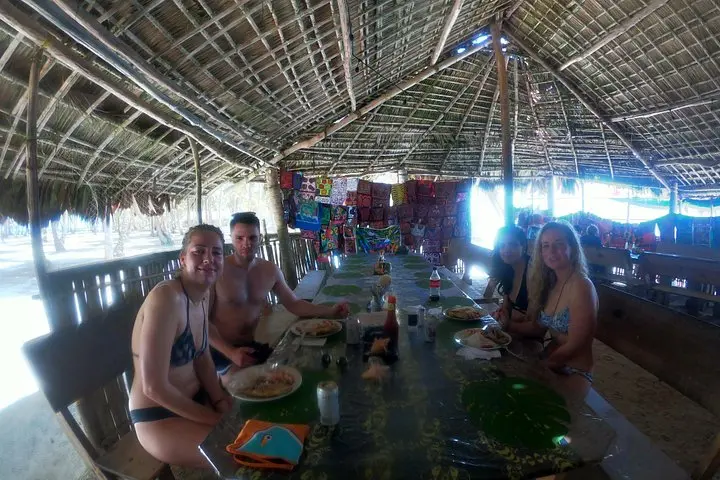
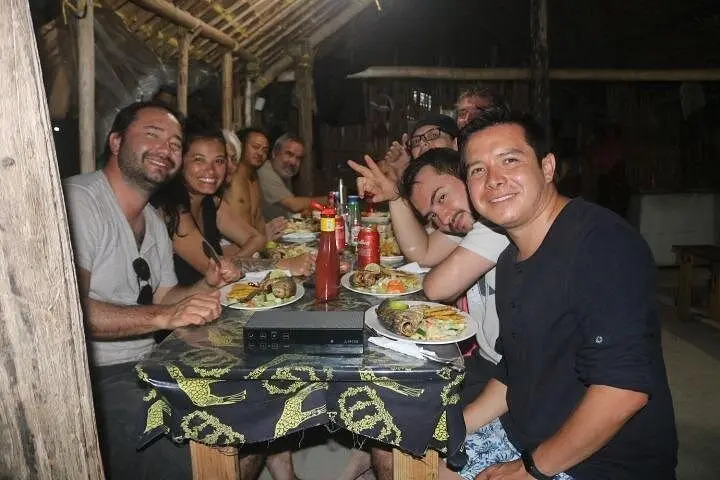
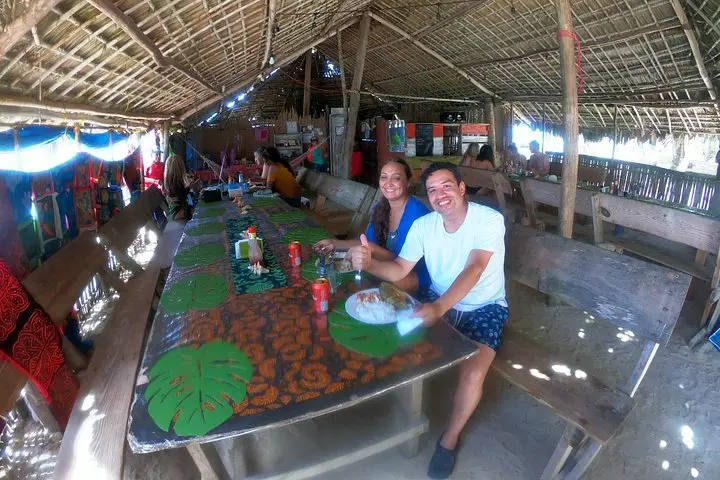
Practically, this is an all-day boat outing (roughly 10–11 hours) combining guided snorkeling and short island stops. Expect multiple water entries from a stable skiff, a bilingual guide explaining local customs, and a shore lunch often featuring fried fish with coconut rice. Seas can be calm or choppy—bring seasickness prevention. Cash in small bills is useful for buying handicrafts from Kuna artisans.
Plan for sun, salt, and a long day: reef-safe sunscreen, a snug snorkel mask, water shoes for coral crossings and a dry bag for valuables. Time your trip in the dry season (Dec–Apr) for clearest water; if you go in the wet season, accept afternoon squalls as part of the rhythm. Respect local rules, keep distance from nesting birds and corals, and you’ll leave with sharper skin from salt, a quieter mind, and fresh perspectives on life on the water.
The tour runs about 10–11 hours and typically includes boat transfers, a bilingual guide, snorkeling equipment, lunch (often fried fish with coconut rice) and a boat transfer from Cartí.
Yes—shallow coral gardens are beginner-friendly, guides accompany swimmers, and life jackets are usually available; basic comfort in the water is recommended.
Most artisans accept cash only—small US dollars or Panamanian balboa bills are preferred—so bring small denominations.
Many operators note wheelchair-accessible transport options to embarkation points, but island terrains are sandy and uneven; check with the operator in advance for specific needs.
San Blas wild operates guided outdoor trips and adventures with an emphasis on safety, stewardship, and memorable experiences.

The morning light slices through low clouds as the boat slips from Cartí into the open sea; sugar-white cays appear like islands of glass and the water seems to dare you to step in. For a full day in San Blas you move between coral gardens, shallow lagoons and small Kuna hamlets where children run barefoot and women weave mola panels under the sun.
The morning light slices through low clouds as the boat slips from Cartí into the open sea; sugar-white cays appear like islands of glass and the water seems to dare you to step in. For a full day in San Blas you move between coral gardens, shallow lagoons and small Kuna hamlets where children run barefoot and women weave mola panels under the sun.
Geologically the San Blas (Guna Yala) archipelago is a scattered rim of low carbonate islands sitting atop continental-shelf reefs—sand and coral built by waves and currents. Historically the Guna (Kuna) people have controlled these islands for generations; visits are a chance to see living culture, hearsay trade, and traditional canoe craft. Marine life is vivid: parrotfish and rays patrol the shallows, while fringing reefs host dense coral heads.
Practically, this is an all-day boat outing (roughly 10–11 hours) combining guided snorkeling and short island stops. Expect multiple water entries from a stable skiff, a bilingual guide explaining local customs, and a shore lunch often featuring fried fish with coconut rice. Seas can be calm or choppy—bring seasickness prevention. Cash in small bills is useful for buying handicrafts from Kuna artisans.
Plan for sun, salt, and a long day: reef-safe sunscreen, a snug snorkel mask, water shoes for coral crossings and a dry bag for valuables. Time your trip in the dry season (Dec–Apr) for clearest water; if you go in the wet season, accept afternoon squalls as part of the rhythm. Respect local rules, keep distance from nesting birds and corals, and you’ll leave with sharper skin from salt, a quieter mind, and fresh perspectives on life on the water.