THE ADVENTURE COLLECTIVE® · Independent discovery and booking for outdoor travel

Spend a day trading Punta Cana’s beaches for Santo Domingo’s colonial streets, cave lakes and coastal monuments. This guided tour packs the Colonial Zone, Colón Lighthouse and Los Tres Ojos into a practical six-hour cultural loop.
Spend a day trading Punta Cana’s beaches for Santo Domingo’s colonial streets, cave lakes and coastal monuments. This guided tour packs the Colonial Zone, Colón Lighthouse and Los Tres Ojos into a practical six-hour cultural loop.
You step off the van into a city that keeps one foot in the 1500s and the other in Caribbean life — cobbled streets warm underfoot, a river that pushes stories toward the sea, and palms nodding above a skyline of low stone and color.
Verified experiences and guided adventures in the surrounding area.
Operated by Oasis Humpack RD · Santo Domingo, Distrito Nacional
You step off the van into a city that keeps one foot in the 1500s and the other in Caribbean life — cobbled streets warm underfoot, a river that pushes stories toward the sea, and palms nodding above a skyline of low stone and color.
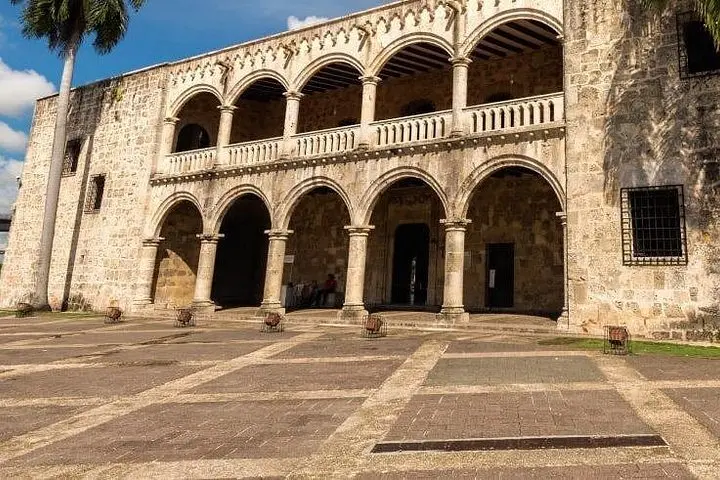
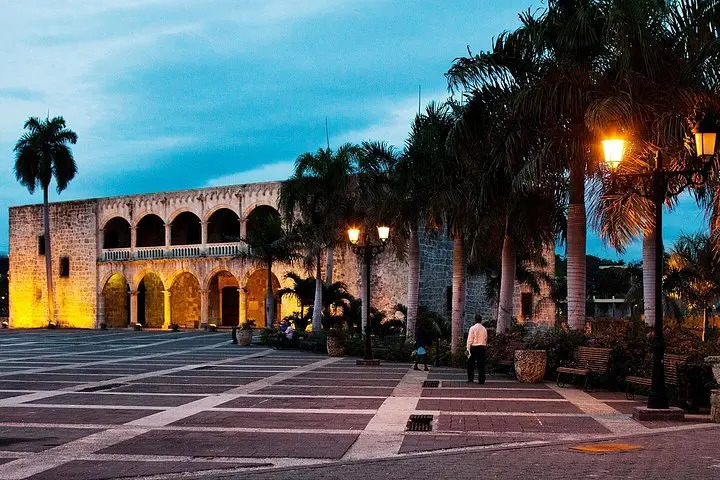
This full-day circuit threads the Colonial Zone’s plazas and churches, moves out to the geometric concrete of the Colón Lighthouse, and slips beneath the limestone roof of Los Tres Ojos, a cavern of freshwater pools where light pools like a quiet audience. Santo Domingo is the oldest permanent European settlement in the Americas; the Catedral Primada and the Alcázar de Colón are tangible pages of Spanish colonial history, while the Ozama River shaped settlement patterns and defenses like the Fortaleza Ozama.
Geologically the Tres Ojos are shallow karst caverns carved from coral limestone; culturally the Colonial Zone carries layers of Taíno, Spanish, African and modern Dominican life—street vendors, merengue notes, and markets punctuate monuments.
Practical guidance: expect six hours total with hotel pickup from Punta Cana. Wear supportive walking shoes for uneven stone and short stairs at historic sites, and bring a refillable water bottle; the Caribbean sun is insistent. Carry a light rain layer in summer and modest clothing for church interiors. Guides typically navigate admissions and parking, but bring small local currency for snacks, tips, and quick purchases.
Timing your visit for early morning or late afternoon avoids the hottest light and the largest tour groups, letting plazas and waterfronts feel more like a local’s city than a postcard.
Yes—carry your passport or a government-issued ID for hotel pickup and in case of any identity checks while traveling between provinces.
This tour typically covers private transport and guide services; check booking details for site admission inclusions and bring cash for any pay-at-site fees.
The itinerary is rated easy, but expect walking and short stairs; the operator notes it’s suitable for most fitness levels—inform them of special needs at booking.
Guides commonly speak Spanish and English; confirm language preferences when booking or at pickup to ensure the right guide is provided.
Oasis Humpack RD operates guided outdoor trips and adventures with an emphasis on safety, stewardship, and memorable experiences.
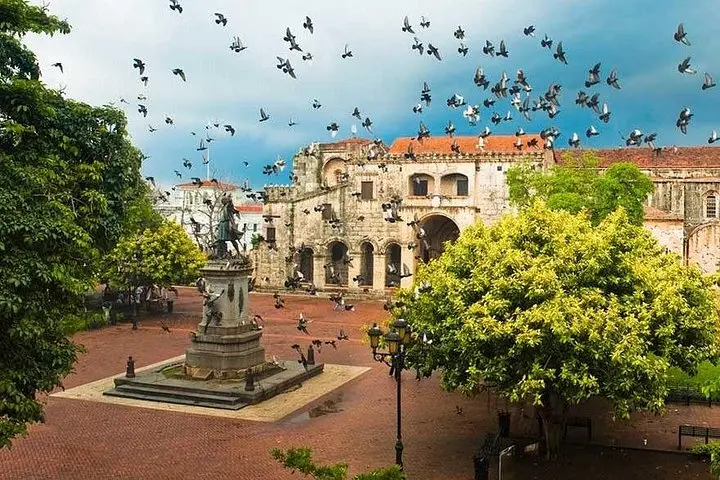
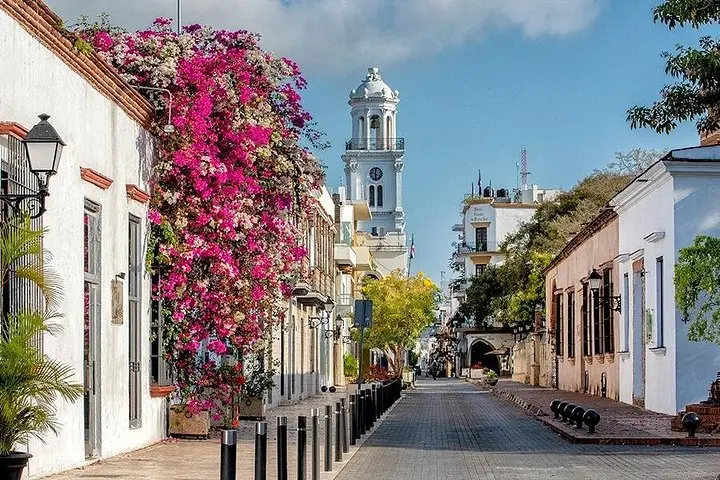
You step off the van into a city that keeps one foot in the 1500s and the other in Caribbean life — cobbled streets warm underfoot, a river that pushes stories toward the sea, and palms nodding above a skyline of low stone and color.
You step off the van into a city that keeps one foot in the 1500s and the other in Caribbean life — cobbled streets warm underfoot, a river that pushes stories toward the sea, and palms nodding above a skyline of low stone and color.
This full-day circuit threads the Colonial Zone’s plazas and churches, moves out to the geometric concrete of the Colón Lighthouse, and slips beneath the limestone roof of Los Tres Ojos, a cavern of freshwater pools where light pools like a quiet audience. Santo Domingo is the oldest permanent European settlement in the Americas; the Catedral Primada and the Alcázar de Colón are tangible pages of Spanish colonial history, while the Ozama River shaped settlement patterns and defenses like the Fortaleza Ozama.
Geologically the Tres Ojos are shallow karst caverns carved from coral limestone; culturally the Colonial Zone carries layers of Taíno, Spanish, African and modern Dominican life—street vendors, merengue notes, and markets punctuate monuments.
Practical guidance: expect six hours total with hotel pickup from Punta Cana. Wear supportive walking shoes for uneven stone and short stairs at historic sites, and bring a refillable water bottle; the Caribbean sun is insistent. Carry a light rain layer in summer and modest clothing for church interiors. Guides typically navigate admissions and parking, but bring small local currency for snacks, tips, and quick purchases.
Timing your visit for early morning or late afternoon avoids the hottest light and the largest tour groups, letting plazas and waterfronts feel more like a local’s city than a postcard.