THE ADVENTURE COLLECTIVE® · Independent discovery and booking for outdoor travel

A private, full‑day tour that links Saqqara’s Step Pyramid, Dahshur’s Bent and Red Pyramids, and the Giza Plateau—ending with a camel ride and panoramic views. Ideal for first‑time visitors who want a compact, guided sweep of Egypt’s most iconic monuments.
A private, full‑day tour that links Saqqara’s Step Pyramid, Dahshur’s Bent and Red Pyramids, and the Giza Plateau—ending with a camel ride and panoramic views. Ideal for first‑time visitors who want a compact, guided sweep of Egypt’s most iconic monuments.
The tour begins before the sun climbs fully over the desert—a private vehicle leaves Cairo and the road opens onto low dunes, then the first stones of Saqqara appear like a line of ancient sentences.
Verified experiences and guided adventures in the surrounding area.
Operated by Grand Egypt Tours · Giza, Cairo Governorate
The tour begins before the sun climbs fully over the desert—a private vehicle leaves Cairo and the road opens onto low dunes, then the first stones of Saqqara appear like a line of ancient sentences.
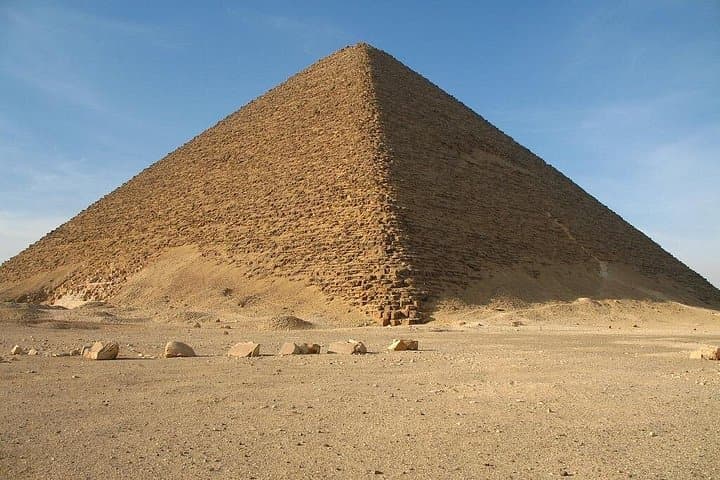
At Saqqara the Step Pyramid of Djoser sits low and sharply angled, its limestone skin weathered but intelligible: a 3rd‑Dynasty experiment in stacking stone into permanence. A short drive away, Dahshur’s Bent and Red Pyramids record an older phase of geometric trial—Senefru’s reforms that led directly to the classic pyramid shape. The day finishes on the Giza Plateau, where the three great pyramids and the Sphinx dominate the skyline; a guided camel ride offers a tactile, mobile view of the plateau and a panoramic frame for photography.
Geology here is literal—limestone caprock and Nile‑deposited sands make both foundations and erosion patterns visible. Culturally, these sites map royal ambition, funerary ritual, and centuries of local pilgrimage; modern guides translate hieroglyphs into human motives and methods.
Practical guidance: book morning departures to avoid midday heat, carry sun protection and at least 1.5–2 liters of water, and wear sturdy shoes for uneven paths and occasional steep stone steps. Respect posted signs—climbing pyramids is prohibited—and budget small local currency for tips and site services. The tour is accessible for most fitness levels, but expect dusty walking, camel mounting, and brief climbs into tomb vestibules if interior access is offered. With a knowledgeable Egyptologist guide, the day becomes a compact, walkable course through three millennia of stone and story.
Entrance fees are typically included in guided tour pricing, but confirm whether special interior tickets (e.g., King’s Chamber, Red Pyramid interior) are covered or extra.
No—climbing the pyramids is illegal and strictly enforced; stay on designated paths and viewing areas to protect the sites and yourself.
Camel rides are usually 20–30 minutes on the Giza Plateau; handlers brief riders and provide simple safety guidance—those with limited mobility should inform the operator in advance.
Smart casual is advised: shoulders and knees covered in many areas, and comfortable clothing suitable for heat and dust; avoid overly revealing attire.
Grand Egypt Tours operates guided outdoor trips and adventures with an emphasis on safety, stewardship, and memorable experiences.



The tour begins before the sun climbs fully over the desert—a private vehicle leaves Cairo and the road opens onto low dunes, then the first stones of Saqqara appear like a line of ancient sentences.
The tour begins before the sun climbs fully over the desert—a private vehicle leaves Cairo and the road opens onto low dunes, then the first stones of Saqqara appear like a line of ancient sentences.
At Saqqara the Step Pyramid of Djoser sits low and sharply angled, its limestone skin weathered but intelligible: a 3rd‑Dynasty experiment in stacking stone into permanence. A short drive away, Dahshur’s Bent and Red Pyramids record an older phase of geometric trial—Senefru’s reforms that led directly to the classic pyramid shape. The day finishes on the Giza Plateau, where the three great pyramids and the Sphinx dominate the skyline; a guided camel ride offers a tactile, mobile view of the plateau and a panoramic frame for photography.
Geology here is literal—limestone caprock and Nile‑deposited sands make both foundations and erosion patterns visible. Culturally, these sites map royal ambition, funerary ritual, and centuries of local pilgrimage; modern guides translate hieroglyphs into human motives and methods.
Practical guidance: book morning departures to avoid midday heat, carry sun protection and at least 1.5–2 liters of water, and wear sturdy shoes for uneven paths and occasional steep stone steps. Respect posted signs—climbing pyramids is prohibited—and budget small local currency for tips and site services. The tour is accessible for most fitness levels, but expect dusty walking, camel mounting, and brief climbs into tomb vestibules if interior access is offered. With a knowledgeable Egyptologist guide, the day becomes a compact, walkable course through three millennia of stone and story.