THE ADVENTURE COLLECTIVE® · Independent discovery and booking for outdoor travel

Spend a full day diving the Cape Rodney–Okakari Point (Goat Island) Marine Reserve with two guided dives. Expect kelp forests, abundant snapper and rays, and a relaxed, conservation-focused dive experience suitable for certified divers.
Spend a full day diving the Cape Rodney–Okakari Point (Goat Island) Marine Reserve with two guided dives. Expect kelp forests, abundant snapper and rays, and a relaxed, conservation-focused dive experience suitable for certified divers.
The boat slips away from Warkworth as the coastal hills recede and the sea opens up, cool and clear. Within an hour you can be leaning over the rail at Cape Rodney–Okakari Point — Goat Island — listening to the swell and watching kelp fronds pulse like slow hands beneath the surface.
Verified experiences and guided adventures in the surrounding area.
Operated by New Zealand Diving Ltd · Leigh, Auckland
The boat slips away from Warkworth as the coastal hills recede and the sea opens up, cool and clear. Within an hour you can be leaning over the rail at Cape Rodney–Okakari Point — Goat Island — listening to the swell and watching kelp fronds pulse like slow hands beneath the surface.
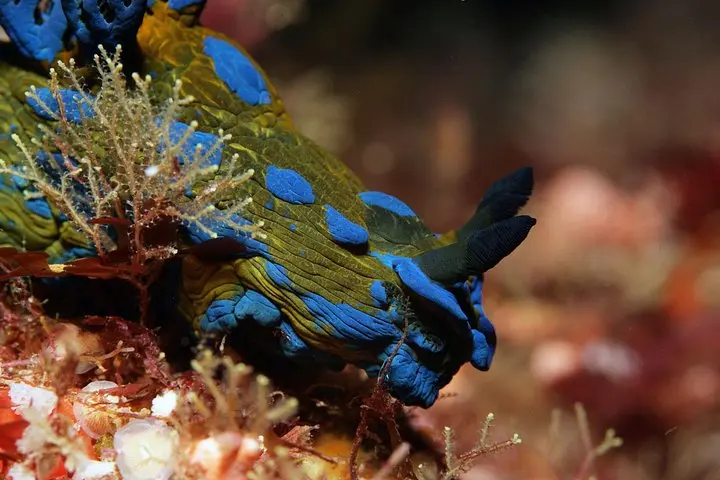
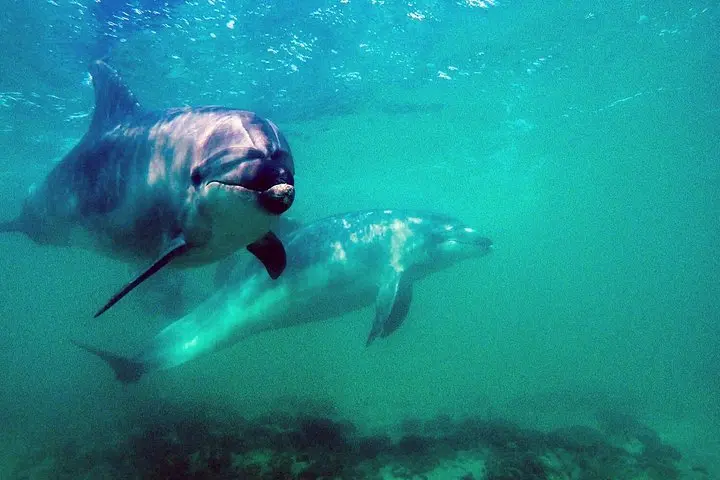
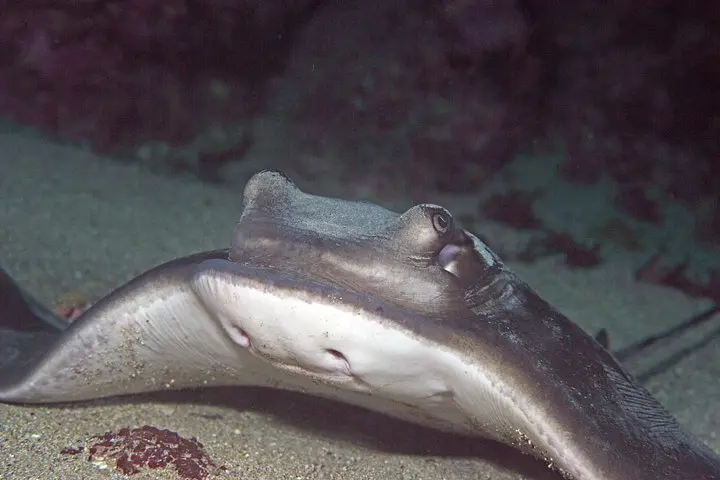
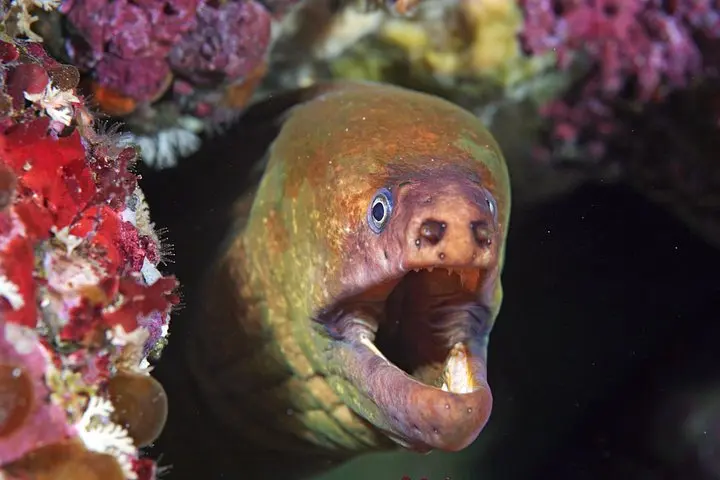
Goat Island Marine Reserve, established in 1975 as New Zealand’s first marine reserve, protects rocky reefs and kelp forests that support dense snapper, red moki, blue maomao, stingrays and abundant crayfish. The reserve’s exposed headlands and sheltered bays create varied dive profiles: shallow kelp valleys, rocky bommies and pockets of sandy sediment favored by rays. Culturally, the coast has long been important to local communities who value the reserve for education, research and snorkeling access.
On a full-day two-dive charter you’ll get a morning shore- or boat-entry dive and an afternoon second dive, with tanks, weights and a guide provided. Conditions are generally gentle inside the reserve with minimal current, but weather and swell can alter plans — operators will pick the safest nearby site, including Tawharanui or Matheson Bay if needed.
Practicalities: bring proof of certification and a recent log entry, pack a warm change of clothes and a towel, and hydrate before and after dives. Equalize early on descent and carry a dive computer or timer to track bottom time. Respect the no-take rules: do not touch, feed or remove marine life. Expect clear water, vibrant fish life and easy navigation around rocky features — an accessible, wildlife-rich day for certified divers who want straightforward, conservation-minded diving without strong currents.
Yes — at minimum an Open Water certification is required; evidence of certification must be presented before diving.
Inexperienced divers may be accepted if they pay for a private dive guide and meet medical screening; confirm with the operator in advance.
Two guided tank dives, tanks and weights, and a dive guide are included; personal consumables and some gear (mask/computer) are recommended to bring.
No — avoid diving within 24 hours of flying and follow standard decompression safety guidelines before scheduling flights.
New Zealand Diving Ltd operates guided outdoor trips and adventures with an emphasis on safety, stewardship, and memorable experiences.
The boat slips away from Warkworth as the coastal hills recede and the sea opens up, cool and clear. Within an hour you can be leaning over the rail at Cape Rodney–Okakari Point — Goat Island — listening to the swell and watching kelp fronds pulse like slow hands beneath the surface.
The boat slips away from Warkworth as the coastal hills recede and the sea opens up, cool and clear. Within an hour you can be leaning over the rail at Cape Rodney–Okakari Point — Goat Island — listening to the swell and watching kelp fronds pulse like slow hands beneath the surface.
Goat Island Marine Reserve, established in 1975 as New Zealand’s first marine reserve, protects rocky reefs and kelp forests that support dense snapper, red moki, blue maomao, stingrays and abundant crayfish. The reserve’s exposed headlands and sheltered bays create varied dive profiles: shallow kelp valleys, rocky bommies and pockets of sandy sediment favored by rays. Culturally, the coast has long been important to local communities who value the reserve for education, research and snorkeling access.
On a full-day two-dive charter you’ll get a morning shore- or boat-entry dive and an afternoon second dive, with tanks, weights and a guide provided. Conditions are generally gentle inside the reserve with minimal current, but weather and swell can alter plans — operators will pick the safest nearby site, including Tawharanui or Matheson Bay if needed.
Practicalities: bring proof of certification and a recent log entry, pack a warm change of clothes and a towel, and hydrate before and after dives. Equalize early on descent and carry a dive computer or timer to track bottom time. Respect the no-take rules: do not touch, feed or remove marine life. Expect clear water, vibrant fish life and easy navigation around rocky features — an accessible, wildlife-rich day for certified divers who want straightforward, conservation-minded diving without strong currents.