THE ADVENTURE COLLECTIVE® · Independent discovery and booking for outdoor travel

A full-day drive from Mwanza delivers a concentrated Serengeti experience: sweeping grassland, seasonal rivers, and dense wildlife viewing in a single long day. This guide explains what to expect on the road, what wildlife you’re likely to see, and how to prepare for a 12‑hour safari.
A full-day drive from Mwanza delivers a concentrated Serengeti experience: sweeping grassland, seasonal rivers, and dense wildlife viewing in a single long day. This guide explains what to expect on the road, what wildlife you’re likely to see, and how to prepare for a 12‑hour safari.
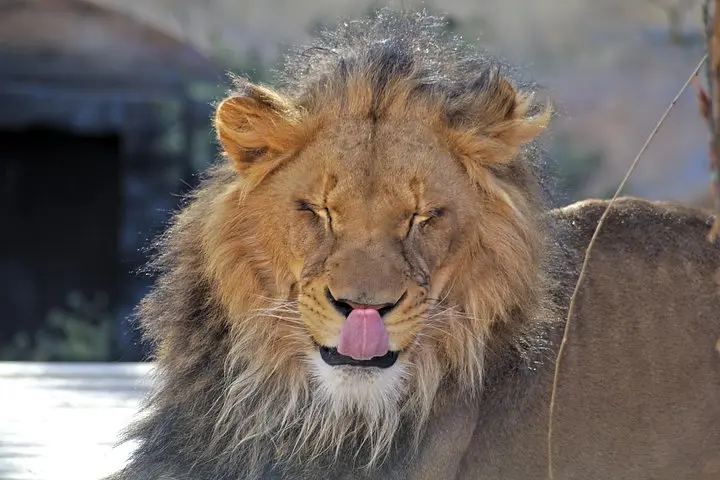
You roll out of Mwanza before dawn and drive toward a horizon that opens into grassland: the air cool, the sky broad, and a promise of encounters ahead. The first trees thin, then give way to acacia-dotted plains where the land itself seems to move—herds of wildebeest and zebra scanning the horizon, lions finding shade beneath solitary trees, and vultures marking far-off activity.
Verified experiences and guided adventures in the surrounding area.
Operated by Shrike Safaris · Seronera, Mara Region
You roll out of Mwanza before dawn and drive toward a horizon that opens into grassland: the air cool, the sky broad, and a promise of encounters ahead. The first trees thin, then give way to acacia-dotted plains where the land itself seems to move—herds of wildebeest and zebra scanning the horizon, lions finding shade beneath solitary trees, and vultures marking far-off activity.
The Serengeti’s name comes from the Maasai word for “endless plains.” Geologically, the park is shaped by volcanic soils and seasonal rivers—Grumeti and Mara among them—that carve migration corridors and nourish floodplain grasslands. Human cultures here include Maasai pastoralists whose lives have long intersected the ecosystem, and the park was formally protected in the mid-20th century to preserve the Great Migration and resident wildlife.
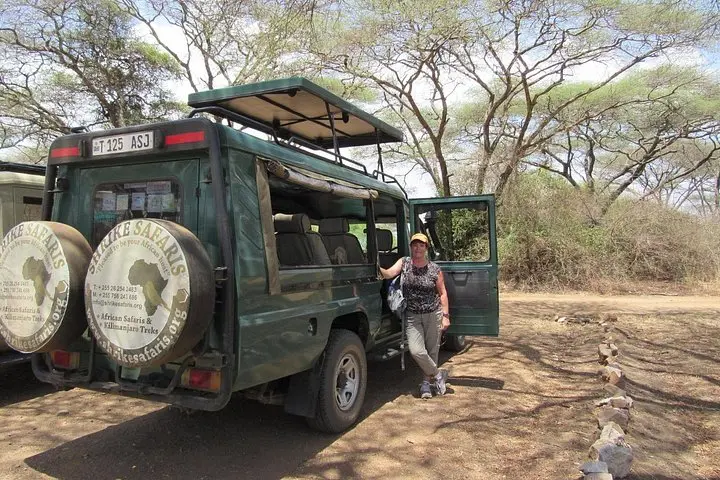
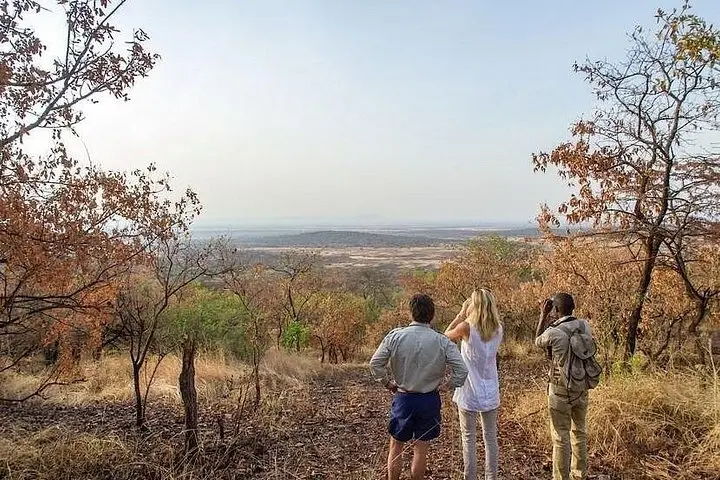
On a full-day tour from Mwanza you’ll cross shifting habitats: savannah woodland near the park edge, open grassland at its heart, and riverine strips where animals concentrate. Expect long stretches in a safari vehicle with binoculars trained on distant movement and sudden stops when a pride or bull elephant appears.
Practical guidance: pack layered sun protection, a field guide or app for ID, and a camera with a telephoto lens or good zoom. Bring water and snacks; a typical outing runs about 12 hours with bumpy roads in places and limited facilities in the park. Respect distance rules—vehicles are the safest observation platform—and time your visit around migration windows if you want river crossings or calving season sights.
Travel time varies by entrance and road conditions but typically ranges 3–5 hours each way for full-day departures, depending on which part of the park you enter.
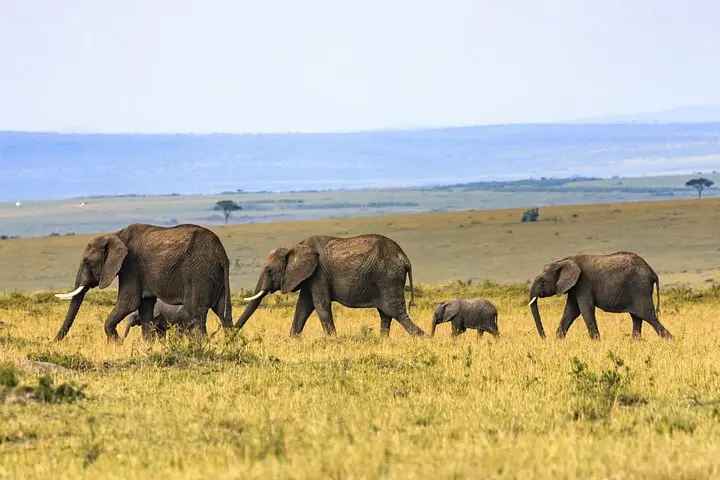
Expect to see wildebeest, zebra, gazelles, buffalo, elephants, and often lions; sightings depend on season and location within the park.
Yes—children can join, infants may need to sit on an adult’s lap and specialized seats may be available; check operator policies when booking.
Bring proof of yellow fever vaccination if required for travel; park entry fees and any necessary permits are generally included by the operator—confirm before travel.
Shrike Safaris operates guided outdoor trips and adventures with an emphasis on safety, stewardship, and memorable experiences.
You roll out of Mwanza before dawn and drive toward a horizon that opens into grassland: the air cool, the sky broad, and a promise of encounters ahead. The first trees thin, then give way to acacia-dotted plains where the land itself seems to move—herds of wildebeest and zebra scanning the horizon, lions finding shade beneath solitary trees, and vultures marking far-off activity.
You roll out of Mwanza before dawn and drive toward a horizon that opens into grassland: the air cool, the sky broad, and a promise of encounters ahead. The first trees thin, then give way to acacia-dotted plains where the land itself seems to move—herds of wildebeest and zebra scanning the horizon, lions finding shade beneath solitary trees, and vultures marking far-off activity.
The Serengeti’s name comes from the Maasai word for “endless plains.” Geologically, the park is shaped by volcanic soils and seasonal rivers—Grumeti and Mara among them—that carve migration corridors and nourish floodplain grasslands. Human cultures here include Maasai pastoralists whose lives have long intersected the ecosystem, and the park was formally protected in the mid-20th century to preserve the Great Migration and resident wildlife.
On a full-day tour from Mwanza you’ll cross shifting habitats: savannah woodland near the park edge, open grassland at its heart, and riverine strips where animals concentrate. Expect long stretches in a safari vehicle with binoculars trained on distant movement and sudden stops when a pride or bull elephant appears.
Practical guidance: pack layered sun protection, a field guide or app for ID, and a camera with a telephoto lens or good zoom. Bring water and snacks; a typical outing runs about 12 hours with bumpy roads in places and limited facilities in the park. Respect distance rules—vehicles are the safest observation platform—and time your visit around migration windows if you want river crossings or calving season sights.