THE ADVENTURE COLLECTIVE® · Independent discovery and booking for outdoor travel

Climb a 200‑meter fortress, wander painted cave shrines, and traverse rice paddies in a single, sunlit day. This full‑day tour from Colombo or Negombo packs Sigiriya’s rock citadel and Dambulla’s Golden Temple into a spirited cultural and outdoor outing.
Climb a 200‑meter fortress, wander painted cave shrines, and traverse rice paddies in a single, sunlit day. This full‑day tour from Colombo or Negombo packs Sigiriya’s rock citadel and Dambulla’s Golden Temple into a spirited cultural and outdoor outing.
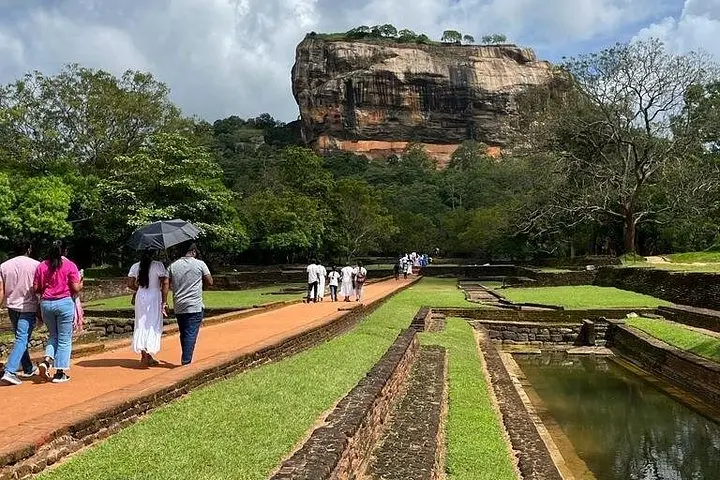
You step out of the van with a tropical wind that seems to push you toward the silhouette of a colossal rock rising from the paddy fields. Sigiriya—known locally as Sinhagiri, the Lion Rock—dominates the skyline: a near-vertical column of granite about 200 meters high, its summit scant and strategic, its face threaded with metal stairways and ancient frescoes. The day here moves with a steady rhythm: climb, pause, look back over the flat plains, and then descend to the shade of banyans and mud huts that hold more recent histories.
Verified experiences and guided adventures in the surrounding area.
Operated by Bookingmart Holidays, Colombo · Sigiriya, Central Province
You step out of the van with a tropical wind that seems to push you toward the silhouette of a colossal rock rising from the paddy fields. Sigiriya—known locally as Sinhagiri, the Lion Rock—dominates the skyline: a near-vertical column of granite about 200 meters high, its summit scant and strategic, its face threaded with metal stairways and ancient frescoes. The day here moves with a steady rhythm: climb, pause, look back over the flat plains, and then descend to the shade of banyans and mud huts that hold more recent histories.
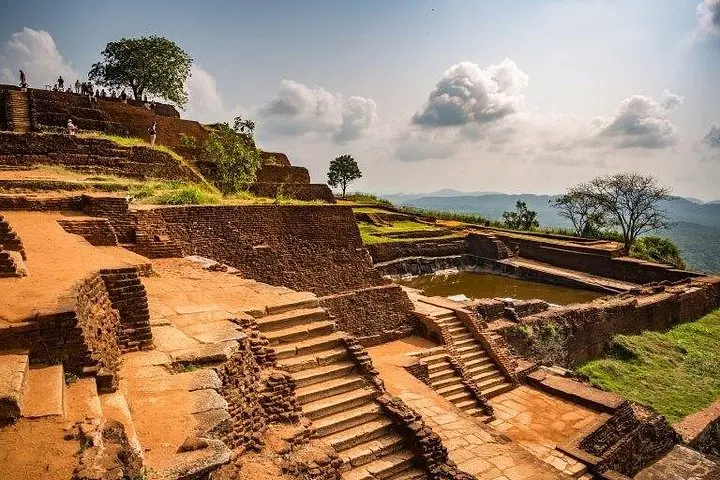
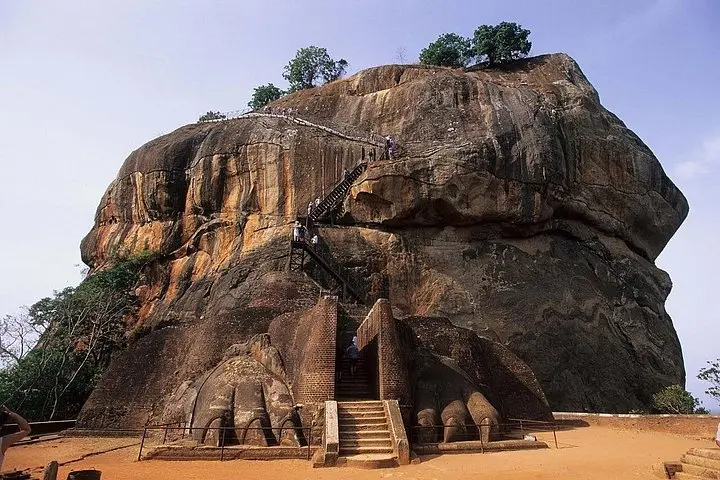
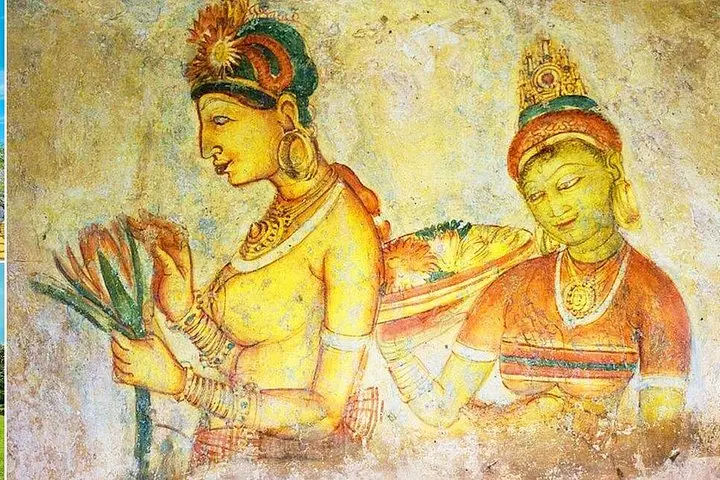
The morning climb up Sigiriya is part archaeology, part cardio. Built in the 5th century by King Kashyapa as a fortified capital, the site layers royal gardens and water features at its base with dramatic rock-cut architecture above. You’ll pass the carved lion paws, the mirror wall—once polished by palace attendants—and the gallery of frescoes that still cling to sheltered rock faces. Below, the plains are dotted with tanks and rice paddies shaped by centuries of irrigation; the geology is old gneiss and granite, the landscape shaped by human hands as much as by time.
After Sigiriya the tour winds to Dambulla’s cave temple, a short drive through scrub and coconut palms. The Golden Temple of Dambulla is a different kind of climb: up to five painted caves that house more than 150 Buddha statues and murals spanning nearly two millennia. The cool, incense-scented interior contrasts with the open sky at Sigiriya, and the formal rules—no shoes in the caves, shoulders and knees covered—make the place feel like living history.
Practical side: this is a long day—expect roughly 14 hours door-to-door from Colombo or Negombo, including travel (about 3–4 hours each way depending on traffic), site visits, and lunch stops. Entrance fees are typically not included; wear sturdy shoes (the rock stairs are uneven and metal in parts), bring a hat and sunscreen, and carry at least 1.5–2 liters of water. If heat is an issue, plan the Sigiriya ascent early before the sun concentrates on the rock.
Local guides can add context—pointing out fresco restoration work, the functioning ancient irrigation systems, and quiet spots where the light lingers. For photographers, sunrise or late afternoon softens the harsh midday glare and opens pockets of shadow in the caves and on the rock face. Respect temple rules, carry small change for donations or local snacks, and leave time to watch the plains for elephants or the samplings of birdlife that move along the reservoirs. This classic Sri Lanka day trip delivers history, geology, and a clear, physical sense of place—an intensive introduction to the island’s inland wonders.
No, entrance fees for Sigiriya and Dambulla are typically not included; bring local currency to pay on site.
Expect about 3–4 hours each way depending on traffic; the full tour runs roughly 14 hours including site visits and stops.
Many children and active older travelers complete the climb, but be mindful of steep sections and heat; take breaks and consider Pidurangala as an easier alternative viewpoint.
No—shoes must be removed before entering the caves; carry a small bag to store them and be respectful of temple rules.
Optional activities like a nearby village tour or safari may be offered but will extend the day; discuss timing with your operator when booking.
Not recommended—steep climbs and long travel make this tour unsuitable for pregnant guests.
Bookingmart Holidays, Colombo operates guided outdoor trips and adventures with an emphasis on safety, stewardship, and memorable experiences.
You step out of the van with a tropical wind that seems to push you toward the silhouette of a colossal rock rising from the paddy fields. Sigiriya—known locally as Sinhagiri, the Lion Rock—dominates the skyline: a near-vertical column of granite about 200 meters high, its summit scant and strategic, its face threaded with metal stairways and ancient frescoes. The day here moves with a steady rhythm: climb, pause, look back over the flat plains, and then descend to the shade of banyans and mud huts that hold more recent histories.
You step out of the van with a tropical wind that seems to push you toward the silhouette of a colossal rock rising from the paddy fields. Sigiriya—known locally as Sinhagiri, the Lion Rock—dominates the skyline: a near-vertical column of granite about 200 meters high, its summit scant and strategic, its face threaded with metal stairways and ancient frescoes. The day here moves with a steady rhythm: climb, pause, look back over the flat plains, and then descend to the shade of banyans and mud huts that hold more recent histories.
The morning climb up Sigiriya is part archaeology, part cardio. Built in the 5th century by King Kashyapa as a fortified capital, the site layers royal gardens and water features at its base with dramatic rock-cut architecture above. You’ll pass the carved lion paws, the mirror wall—once polished by palace attendants—and the gallery of frescoes that still cling to sheltered rock faces. Below, the plains are dotted with tanks and rice paddies shaped by centuries of irrigation; the geology is old gneiss and granite, the landscape shaped by human hands as much as by time.
After Sigiriya the tour winds to Dambulla’s cave temple, a short drive through scrub and coconut palms. The Golden Temple of Dambulla is a different kind of climb: up to five painted caves that house more than 150 Buddha statues and murals spanning nearly two millennia. The cool, incense-scented interior contrasts with the open sky at Sigiriya, and the formal rules—no shoes in the caves, shoulders and knees covered—make the place feel like living history.
Practical side: this is a long day—expect roughly 14 hours door-to-door from Colombo or Negombo, including travel (about 3–4 hours each way depending on traffic), site visits, and lunch stops. Entrance fees are typically not included; wear sturdy shoes (the rock stairs are uneven and metal in parts), bring a hat and sunscreen, and carry at least 1.5–2 liters of water. If heat is an issue, plan the Sigiriya ascent early before the sun concentrates on the rock.
Local guides can add context—pointing out fresco restoration work, the functioning ancient irrigation systems, and quiet spots where the light lingers. For photographers, sunrise or late afternoon softens the harsh midday glare and opens pockets of shadow in the caves and on the rock face. Respect temple rules, carry small change for donations or local snacks, and leave time to watch the plains for elephants or the samplings of birdlife that move along the reservoirs. This classic Sri Lanka day trip delivers history, geology, and a clear, physical sense of place—an intensive introduction to the island’s inland wonders.