THE ADVENTURE COLLECTIVE® · Independent discovery and booking for outdoor travel

A daytrip from Las Vegas delivers one of Utah’s most unusual landscapes: Bryce Canyon’s amphitheater of hoodoos. This small‑group tour covers main overlooks, a Visitor Center stop, and optional short hikes with knowledgeable guides and bottled water included.
A daytrip from Las Vegas delivers one of Utah’s most unusual landscapes: Bryce Canyon’s amphitheater of hoodoos. This small‑group tour covers main overlooks, a Visitor Center stop, and optional short hikes with knowledgeable guides and bottled water included.
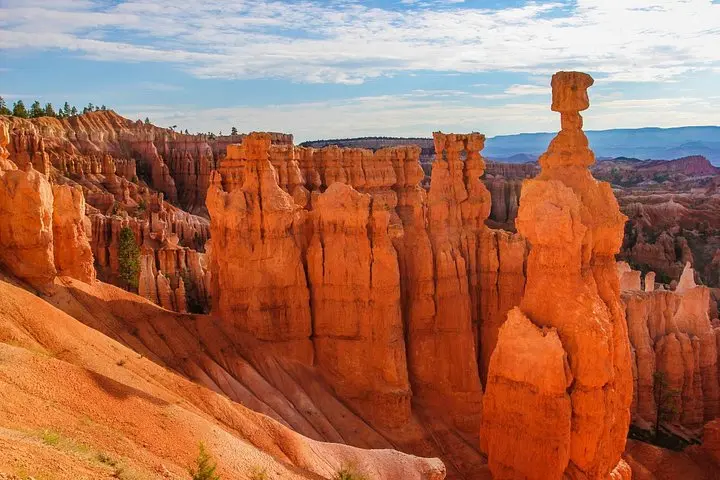
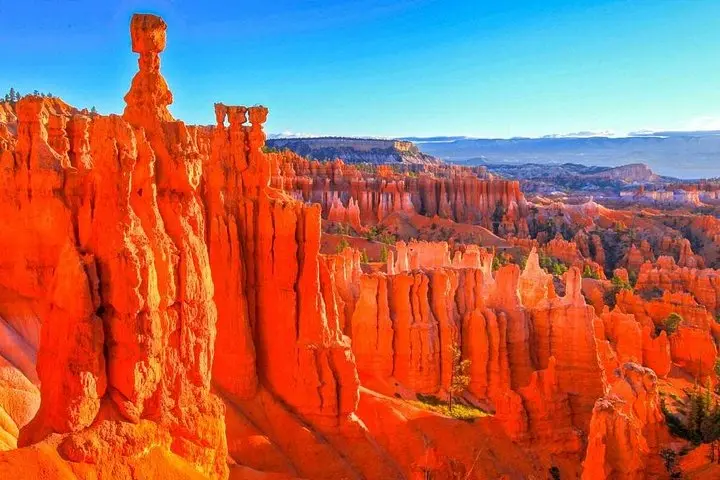
The bus eases out of Las Vegas before dawn, headlights carving a path through desert that keeps stretching and changing color until the road lifts onto the Paunsaugunt Plateau. By midmorning the world has shifted: where scrub and asphalt dominated there are now amphitheaters of orange and cream stone. You step out at Sunrise Point and the hoodoos—columned spires of frost- and water-sculpted sandstone—stand like a crowded audience, their weathered faces leaning in to watch the wind.
Verified experiences and guided adventures in the surrounding area.
Operated by BARBIL TOURS · Bryce Canyon, Utah
The bus eases out of Las Vegas before dawn, headlights carving a path through desert that keeps stretching and changing color until the road lifts onto the Paunsaugunt Plateau. By midmorning the world has shifted: where scrub and asphalt dominated there are now amphitheaters of orange and cream stone. You step out at Sunrise Point and the hoodoos—columned spires of frost- and water-sculpted sandstone—stand like a crowded audience, their weathered faces leaning in to watch the wind.
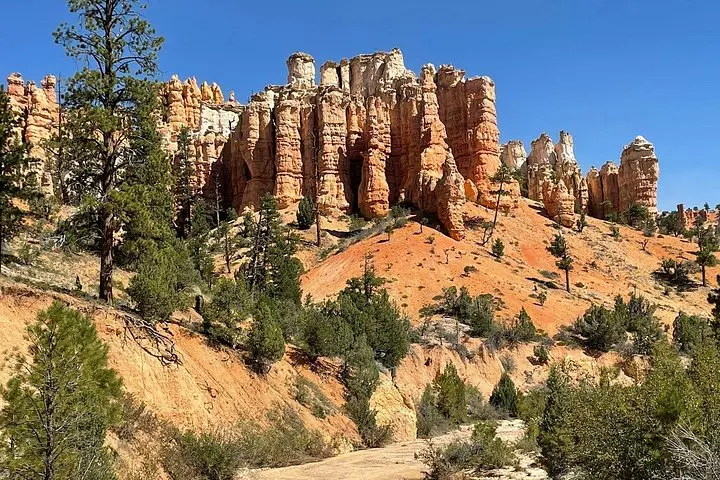
Bryce Canyon isn't a canyon in the conventional sense but an exposed edge of the Paunsaugunt Plateau where erosion has stripped away the caprock and left a forest of fins and spires. The geology here reads like chapters of time—layers of Claron Formation from the Paleogene, alternating limestones, siltstones, and sandstone that the elements have carved into delicate, vertical forms called hoodoos. The Paiute people who lived in the region turned those hoodoos into stories; early explorers and settlers translated those stories into names for points and trails around the amphitheater.
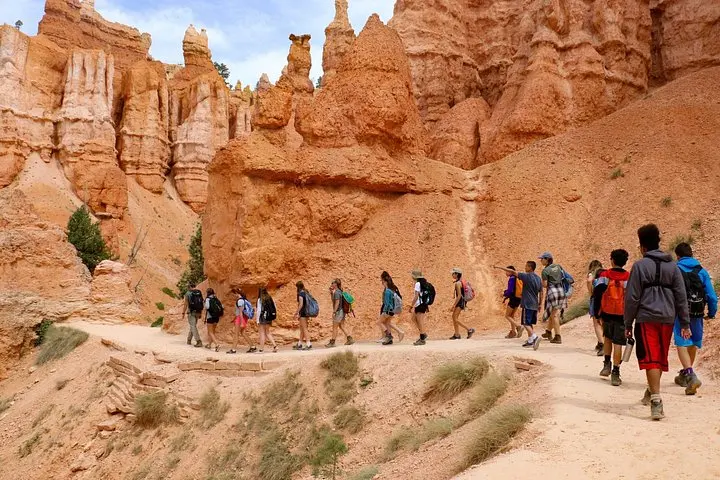
This full‑day, small‑group outing takes you to the Visitor Center and through the park’s principal overlooks—Sunrise Point, Sunset Point, Bryce Point and Inspiration Point—then offers a short walk along the rim and an optional jaunt down into the Amphitheater via the Queens Garden or Navajo Loop. At roughly 8,000 feet elevation the air is thinner and the light is cleaner; winter and spring snows linger in shaded gullies, while summer breezes push the scent of pinyon and juniper up the rim.
Practicality governs the day: expect a long drive from Las Vegas (roughly 4 to 4.5 hours each way), an overall 8–9 hour tour window, and a small-group limit that keeps the experience quiet and focused. Bring layered clothing—the high plateau can be cool even in summer—sturdy footwear for uneven trail surfaces, sun protection, and at least 1–2 liters of water for the day. Guides typically provide bottled water and local context—geology, park history, and pointers for self-guided wanderings if you decide to extend your visit.
For photographers aim for early or late light to catch the hoodoos glowing; for hikers plan on short to moderate walks—the Rim Trail is a popular option if you want panoramic views without steep descents. Be mindful of the fragile soils and stay on established trails: these hoodoos took millions of years to form and only minutes of careless erosion to damage. Whether you return to Las Vegas the same night or extend your stay into nearby Tropic or Bryce Canyon City, the amphitheater’s hush and the geometry of its spires tend to rewrite how you think about desert landscapes.
Plan on roughly 4 to 4.5 hours one-way depending on traffic and stops—this tour is a full‑day commitment.
Admission is not typically included—bring the park entry fee or an active America the Beautiful pass.
Bottled water is included, but meals are not—pack snacks or stop in Bryce Canyon City before entering the park.
Yes; the tour is family-friendly with stroller-accessible options at many viewpoints, but monitor kids near steep drop-offs.
Yes—guides usually offer short optional hikes like Queens Garden or part of the Navajo Loop; choose based on ability and time.
Early morning and late afternoon provide warm directional light that brings out the hoodoos’ textures and colors.
BARBIL TOURS operates guided outdoor trips and adventures with an emphasis on safety, stewardship, and memorable experiences.
The bus eases out of Las Vegas before dawn, headlights carving a path through desert that keeps stretching and changing color until the road lifts onto the Paunsaugunt Plateau. By midmorning the world has shifted: where scrub and asphalt dominated there are now amphitheaters of orange and cream stone. You step out at Sunrise Point and the hoodoos—columned spires of frost- and water-sculpted sandstone—stand like a crowded audience, their weathered faces leaning in to watch the wind.
The bus eases out of Las Vegas before dawn, headlights carving a path through desert that keeps stretching and changing color until the road lifts onto the Paunsaugunt Plateau. By midmorning the world has shifted: where scrub and asphalt dominated there are now amphitheaters of orange and cream stone. You step out at Sunrise Point and the hoodoos—columned spires of frost- and water-sculpted sandstone—stand like a crowded audience, their weathered faces leaning in to watch the wind.
Bryce Canyon isn't a canyon in the conventional sense but an exposed edge of the Paunsaugunt Plateau where erosion has stripped away the caprock and left a forest of fins and spires. The geology here reads like chapters of time—layers of Claron Formation from the Paleogene, alternating limestones, siltstones, and sandstone that the elements have carved into delicate, vertical forms called hoodoos. The Paiute people who lived in the region turned those hoodoos into stories; early explorers and settlers translated those stories into names for points and trails around the amphitheater.
This full‑day, small‑group outing takes you to the Visitor Center and through the park’s principal overlooks—Sunrise Point, Sunset Point, Bryce Point and Inspiration Point—then offers a short walk along the rim and an optional jaunt down into the Amphitheater via the Queens Garden or Navajo Loop. At roughly 8,000 feet elevation the air is thinner and the light is cleaner; winter and spring snows linger in shaded gullies, while summer breezes push the scent of pinyon and juniper up the rim.
Practicality governs the day: expect a long drive from Las Vegas (roughly 4 to 4.5 hours each way), an overall 8–9 hour tour window, and a small-group limit that keeps the experience quiet and focused. Bring layered clothing—the high plateau can be cool even in summer—sturdy footwear for uneven trail surfaces, sun protection, and at least 1–2 liters of water for the day. Guides typically provide bottled water and local context—geology, park history, and pointers for self-guided wanderings if you decide to extend your visit.
For photographers aim for early or late light to catch the hoodoos glowing; for hikers plan on short to moderate walks—the Rim Trail is a popular option if you want panoramic views without steep descents. Be mindful of the fragile soils and stay on established trails: these hoodoos took millions of years to form and only minutes of careless erosion to damage. Whether you return to Las Vegas the same night or extend your stay into nearby Tropic or Bryce Canyon City, the amphitheater’s hush and the geometry of its spires tend to rewrite how you think about desert landscapes.