THE ADVENTURE COLLECTIVE® · Independent discovery and booking for outdoor travel

A brisk speedboat run from Puno opens onto the floating Uros and the terraced island of Taquile—two distinct ways of life carved from Lake Titicaca’s high-altitude water. This full-day tour combines hands-on culture, lakeside lunch, and manageable walking among UNESCO-recognized textiles.
A brisk speedboat run from Puno opens onto the floating Uros and the terraced island of Taquile—two distinct ways of life carved from Lake Titicaca’s high-altitude water. This full-day tour combines hands-on culture, lakeside lunch, and manageable walking among UNESCO-recognized textiles.
A low, cold wind slices across the surface of Lake Titicaca as the speedboat slips away from the Puno pier at first light. The lake opens into a high-altitude plain of broad waves and reed beds; within twenty minutes the man-made Uros islands appear like honey-colored platforms bobbing on totora.
Verified experiences and guided adventures in the surrounding area.
Operated by Real Travel Peru · Puno, Puno
A low, cold wind slices across the surface of Lake Titicaca as the speedboat slips away from the Puno pier at first light. The lake opens into a high-altitude plain of broad waves and reed beds; within twenty minutes the man-made Uros islands appear like honey-colored platforms bobbing on totora.
The Uros are an engineered culture—layers of totora reed stacked and renewed for generations to keep villages afloat. A short run further out brings Taquile, a terraced island where dry-stone paths climb to a village plaza and a UNESCO-recognized textile tradition. Geologically, Titicaca sits in a high Andean basin carved by tectonics and glacial action; the water’s clarity and altitude (above 3,800 m) shape both weather and life here.
Expect hands-on demonstrations of reed-building on Uros and a walk up to Taquile’s square to visit cooperative weavers. Lunch is local: quinoa soup and freshly caught trout, served at simple family eateries. Language is primarily Quechua and Aymara with Spanish common among guides; bargaining for small handwoven goods is part of the visit.
Practical notes: the day is long—plan for 8–9 hours including boat transfers. Sun is harsher at altitude so layer clothing, protect skin, and hydrate steadily. Boat rides can be choppy; a small backpack with a warm layer, water, and camera is ideal. Respect local customs: ask before photographing people and pay for craft directly. The trip balances a brisk maritime rhythm with deliberate cultural stops, offering both photo-ready moments and quiet scenes of lake life.
The tour runs about 8–9 hours, meeting in Puno (Jr Lima 440) early morning and returning mid-afternoon.
Altitude affects people differently; allow a day in Puno to acclimate, drink water, eat light meals and descend if symptoms worsen.
Lunch and entrance to the Uros and Taquile are included; dietary choices like vegetarian omelet are available if requested in advance.
The trip is family-friendly but not recommended for travelers with serious spinal problems; infants must sit on laps per operator policy.
Real Travel Peru operates guided outdoor trips and adventures with an emphasis on safety, stewardship, and memorable experiences.
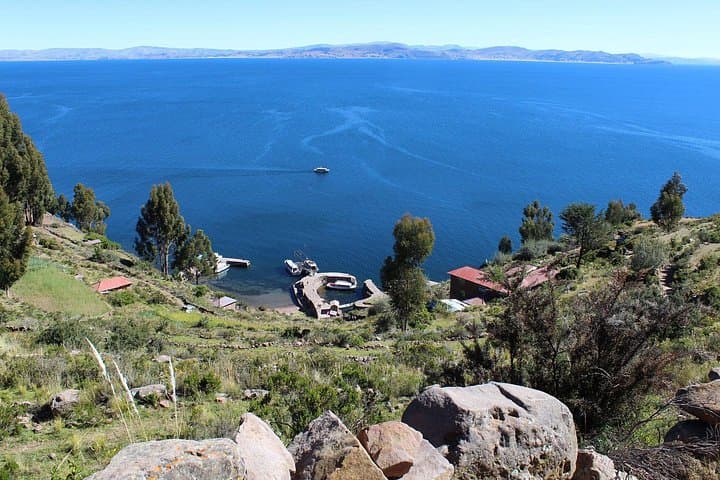


A low, cold wind slices across the surface of Lake Titicaca as the speedboat slips away from the Puno pier at first light. The lake opens into a high-altitude plain of broad waves and reed beds; within twenty minutes the man-made Uros islands appear like honey-colored platforms bobbing on totora.
A low, cold wind slices across the surface of Lake Titicaca as the speedboat slips away from the Puno pier at first light. The lake opens into a high-altitude plain of broad waves and reed beds; within twenty minutes the man-made Uros islands appear like honey-colored platforms bobbing on totora.
The Uros are an engineered culture—layers of totora reed stacked and renewed for generations to keep villages afloat. A short run further out brings Taquile, a terraced island where dry-stone paths climb to a village plaza and a UNESCO-recognized textile tradition. Geologically, Titicaca sits in a high Andean basin carved by tectonics and glacial action; the water’s clarity and altitude (above 3,800 m) shape both weather and life here.
Expect hands-on demonstrations of reed-building on Uros and a walk up to Taquile’s square to visit cooperative weavers. Lunch is local: quinoa soup and freshly caught trout, served at simple family eateries. Language is primarily Quechua and Aymara with Spanish common among guides; bargaining for small handwoven goods is part of the visit.
Practical notes: the day is long—plan for 8–9 hours including boat transfers. Sun is harsher at altitude so layer clothing, protect skin, and hydrate steadily. Boat rides can be choppy; a small backpack with a warm layer, water, and camera is ideal. Respect local customs: ask before photographing people and pay for craft directly. The trip balances a brisk maritime rhythm with deliberate cultural stops, offering both photo-ready moments and quiet scenes of lake life.