THE ADVENTURE COLLECTIVE® · Independent discovery and booking for outdoor travel

A full-day speedboat tour that compresses transit time to maximize time on Lake Titicaca’s famous Uros reed islands and Taquile’s textile terraces. Expect cultural encounters, high-altitude conditions, and close-up views of traditional Andean life.
A full-day speedboat tour that compresses transit time to maximize time on Lake Titicaca’s famous Uros reed islands and Taquile’s textile terraces. Expect cultural encounters, high-altitude conditions, and close-up views of traditional Andean life.
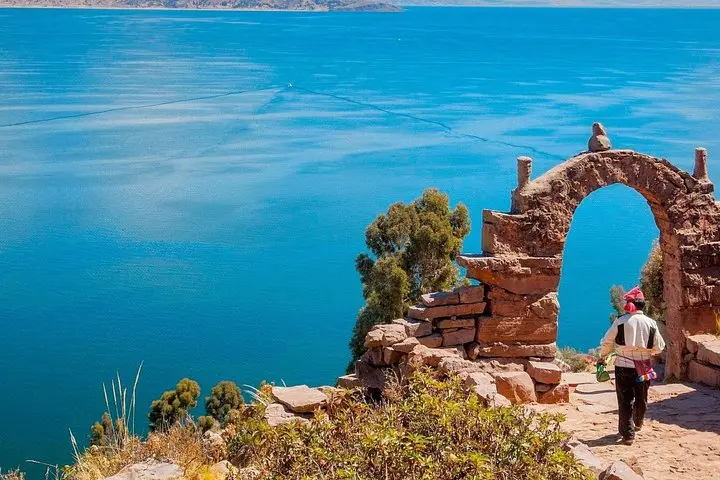
Morning light slices across Lake Titicaca as the speedboat carves a narrow wake toward reed islands that seem to float on glass. The air at 3,812 m is thin but sharp; wind from the Altiplano pushes across the water, carrying the smell of totora and the chatter of island life. Visitors arrive at two Uros islands, stepping onto platforms of bundled reeds where families still maintain homes, boats and handicrafts built from the same plant.
Verified experiences and guided adventures in the surrounding area.
Operated by Titicaca Tours · Puno, Puno
Morning light slices across Lake Titicaca as the speedboat carves a narrow wake toward reed islands that seem to float on glass. The air at 3,812 m is thin but sharp; wind from the Altiplano pushes across the water, carrying the smell of totora and the chatter of island life. Visitors arrive at two Uros islands, stepping onto platforms of bundled reeds where families still maintain homes, boats and handicrafts built from the same plant.
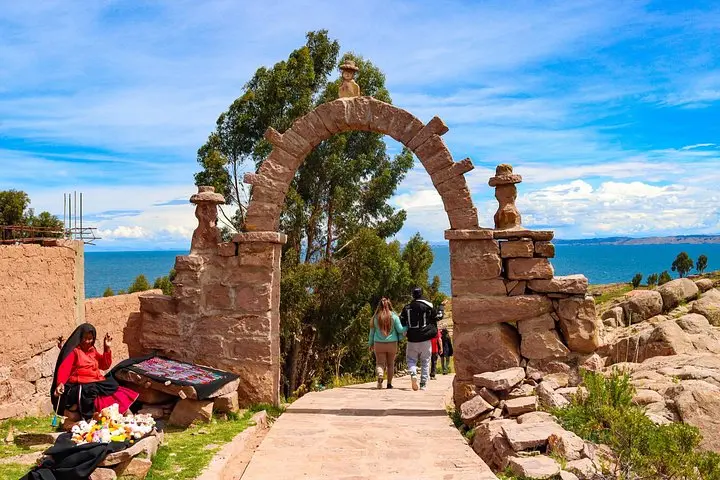
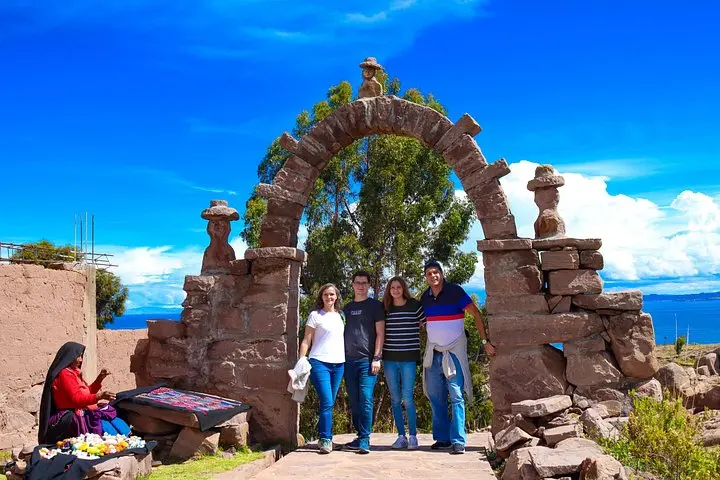
Geologically, Lake Titicaca sits in a high Andean basin, one of the oldest lakes in the world, its shallow margins carved by glacial and tectonic forces. The Uros people used totora reeds to create buoyant islands long before modern borders—an adaptive technology rather than a curiosity. Taquile Island contrasts those temporary flats: a terraced volcanic isle with a central plaza, narrow stone lanes and a textile tradition recognized for intricate, communal knitting and strict weaving customs.
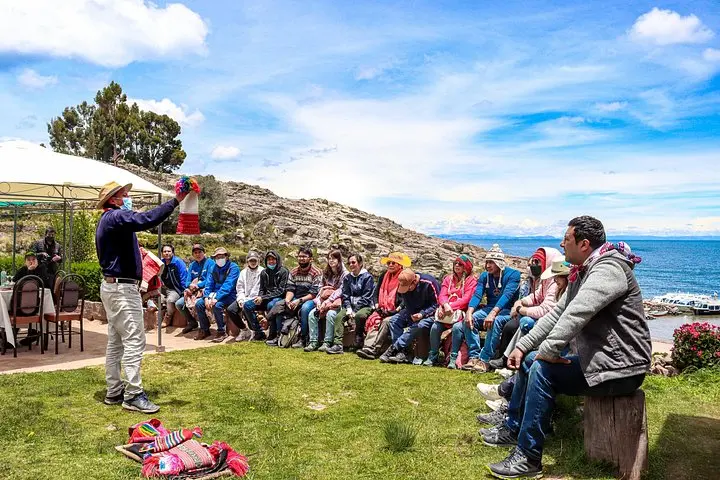
Culturally, expect bilingual guides who explain daily life, cooperative weaving practices, and the symbolism woven into belts and hats. Lunch in Taquile (included) is an opportunity to sample local fare while looking back across reed-dotted blue.
Practical guidance: the day is long (about nine hours) and at high altitude—carry water, sunscreen, a windproof layer and cash for handcrafted textiles. Walks on uneven reeds and stone paths require steady shoes; motion-sick travelers should prep for choppy stretches. The speedboat reduces transit time, giving more time ashore to learn, photograph, and purchase directly from island families.
The tour lasts about nine hours, typically starting in the morning from Puno, visiting two Uros islands then Taquile for lunch and cultural visits before returning in the afternoon.
Yes—lunch in Taquile is included and typically served in the main square at a local restaurant or communal dining area.
The operator lists wheelchair access for transportation, but island terrain includes reed platforms and stone steps; discuss specific mobility needs with the operator before booking.
Yes—bring small bills or soles for crafts, extra snacks or gratuities; card facilities on the islands are not guaranteed.
Titicaca Tours operates guided outdoor trips and adventures with an emphasis on safety, stewardship, and memorable experiences.
Morning light slices across Lake Titicaca as the speedboat carves a narrow wake toward reed islands that seem to float on glass. The air at 3,812 m is thin but sharp; wind from the Altiplano pushes across the water, carrying the smell of totora and the chatter of island life. Visitors arrive at two Uros islands, stepping onto platforms of bundled reeds where families still maintain homes, boats and handicrafts built from the same plant.
Morning light slices across Lake Titicaca as the speedboat carves a narrow wake toward reed islands that seem to float on glass. The air at 3,812 m is thin but sharp; wind from the Altiplano pushes across the water, carrying the smell of totora and the chatter of island life. Visitors arrive at two Uros islands, stepping onto platforms of bundled reeds where families still maintain homes, boats and handicrafts built from the same plant.
Geologically, Lake Titicaca sits in a high Andean basin, one of the oldest lakes in the world, its shallow margins carved by glacial and tectonic forces. The Uros people used totora reeds to create buoyant islands long before modern borders—an adaptive technology rather than a curiosity. Taquile Island contrasts those temporary flats: a terraced volcanic isle with a central plaza, narrow stone lanes and a textile tradition recognized for intricate, communal knitting and strict weaving customs.
Culturally, expect bilingual guides who explain daily life, cooperative weaving practices, and the symbolism woven into belts and hats. Lunch in Taquile (included) is an opportunity to sample local fare while looking back across reed-dotted blue.
Practical guidance: the day is long (about nine hours) and at high altitude—carry water, sunscreen, a windproof layer and cash for handcrafted textiles. Walks on uneven reeds and stone paths require steady shoes; motion-sick travelers should prep for choppy stretches. The speedboat reduces transit time, giving more time ashore to learn, photograph, and purchase directly from island families.