THE ADVENTURE COLLECTIVE® · Independent discovery and booking for outdoor travel

Spend a full day exploring the Cape Winelands, moving between historic estates and modern cellars in Stellenbosch and Franschhoek. This guided tour includes tastings, commentary on local terroir and food pairings, plus hotel pickup and return to Cape Town.
Spend a full day exploring the Cape Winelands, moving between historic estates and modern cellars in Stellenbosch and Franschhoek. This guided tour includes tastings, commentary on local terroir and food pairings, plus hotel pickup and return to Cape Town.
You step into an air-conditioned vehicle in Cape Town and the city gives way to a corridor of vines. The road climbs toward the foothills of the Hottentots-Holland and Simonsberg ranges, and rows of grapevines become the day’s companion—leaves brushing the light wind as mountains loom above.
Verified experiences and guided adventures in the surrounding area.
Operated by Freedom Tour and Travel · Stellenbosch, Western Cape
You step into an air-conditioned vehicle in Cape Town and the city gives way to a corridor of vines. The road climbs toward the foothills of the Hottentots-Holland and Simonsberg ranges, and rows of grapevines become the day’s companion—leaves brushing the light wind as mountains loom above.
This route threads through two of South Africa’s oldest wine districts. Stellenbosch shows its Cape Dutch homesteads and oak-lined lanes, a landscape shaped by glacial-age geology and nutrient-rich decomposed granite soils that give the wines their structure. Franschhoek carries the imprint of 17th-century Huguenot settlers; restaurants and cellars here keep a long culinary tradition that pairs tightly with the valley’s cooler-climate vintages.
Visits typically include a mix of historic estates and modern cellars: expect tasting flights, guided notes on varietals and production methods, and opportunities to sample food pairings. Spier’s art and sustainability programs illustrate local culture; Lanzerac displays classic Cape Dutch architecture; Franschhoek Cellar highlights contemporary blends.
Practical guidance: dress in layers for shifting valley temperatures, bring a small daypack for purchases, and pace tastings—sipping and spitting preserves clarity late in the day. Stay hydrated between pours and plan any wine purchases for checked luggage rules on your return flight. The tour is accessible for most travelers, with short walks around winery grounds and comfortable transport between stops. Return to Cape Town in the evening with notes on terroir and a clearer sense of why this region is central to South African wine.
Hotel pickup is offered from central Cape Town locations; exact pickup time is confirmed after booking.
Yes—guided tastings at the listed estates are part of the itinerary, typically as flights of several wines.
Yes—most estates sell bottles, but check your airline's liquid and duty-free rules and consider shipping heavy orders.
The tour is family-friendly for short walks, but wine tastings are restricted to those 18 and older; non-drinkers can still enjoy the scenery and food pairings.
Freedom Tour and Travel operates guided outdoor trips and adventures with an emphasis on safety, stewardship, and memorable experiences.
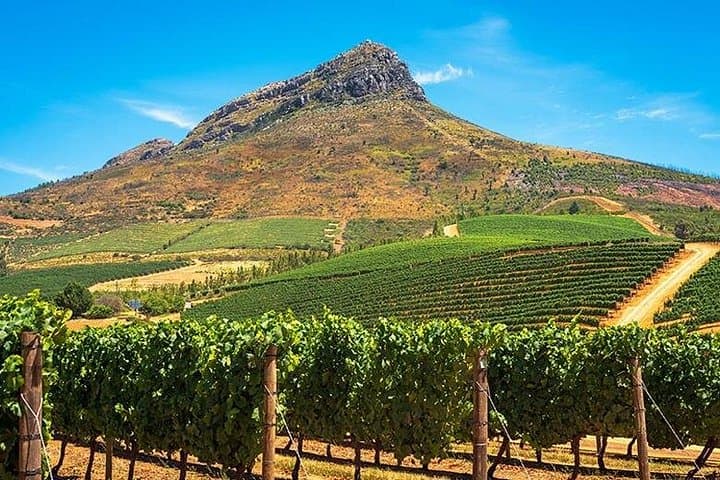
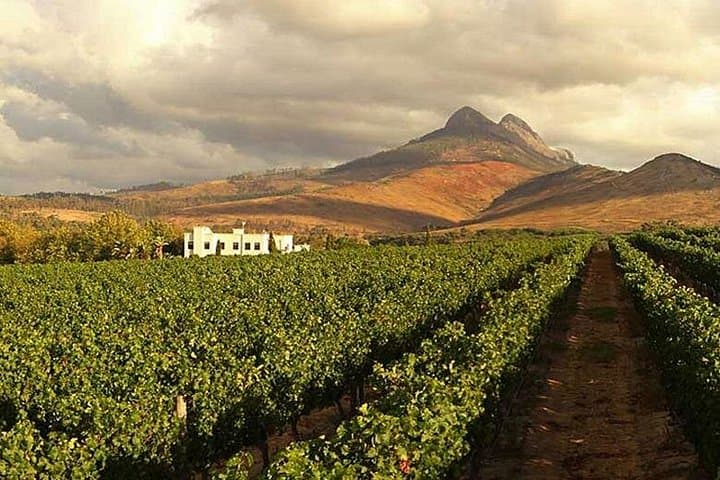

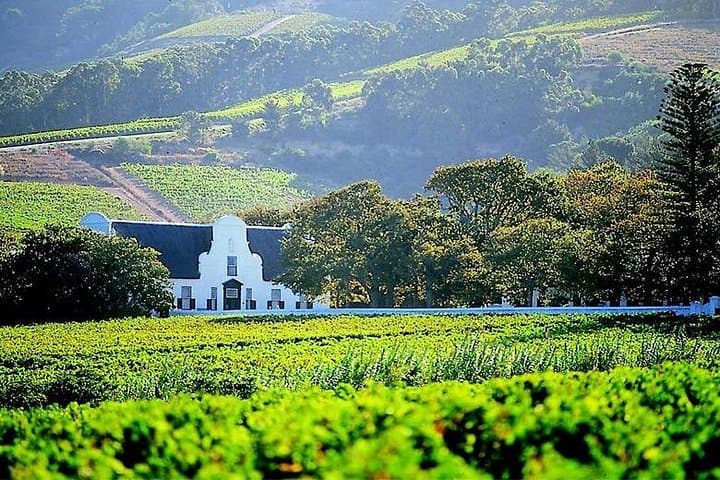
You step into an air-conditioned vehicle in Cape Town and the city gives way to a corridor of vines. The road climbs toward the foothills of the Hottentots-Holland and Simonsberg ranges, and rows of grapevines become the day’s companion—leaves brushing the light wind as mountains loom above.
You step into an air-conditioned vehicle in Cape Town and the city gives way to a corridor of vines. The road climbs toward the foothills of the Hottentots-Holland and Simonsberg ranges, and rows of grapevines become the day’s companion—leaves brushing the light wind as mountains loom above.
This route threads through two of South Africa’s oldest wine districts. Stellenbosch shows its Cape Dutch homesteads and oak-lined lanes, a landscape shaped by glacial-age geology and nutrient-rich decomposed granite soils that give the wines their structure. Franschhoek carries the imprint of 17th-century Huguenot settlers; restaurants and cellars here keep a long culinary tradition that pairs tightly with the valley’s cooler-climate vintages.
Visits typically include a mix of historic estates and modern cellars: expect tasting flights, guided notes on varietals and production methods, and opportunities to sample food pairings. Spier’s art and sustainability programs illustrate local culture; Lanzerac displays classic Cape Dutch architecture; Franschhoek Cellar highlights contemporary blends.
Practical guidance: dress in layers for shifting valley temperatures, bring a small daypack for purchases, and pace tastings—sipping and spitting preserves clarity late in the day. Stay hydrated between pours and plan any wine purchases for checked luggage rules on your return flight. The tour is accessible for most travelers, with short walks around winery grounds and comfortable transport between stops. Return to Cape Town in the evening with notes on terroir and a clearer sense of why this region is central to South African wine.