THE ADVENTURE COLLECTIVE® · Independent discovery and booking for outdoor travel

Board a boat from Copacabana and spend a full day exploring Isla del Sol's Inca steps, fountain springs, and the village of Yumani. This guided tour pairs cultural history with high-altitude lakeside hiking and includes lunch and round-trip transfers.
Board a boat from Copacabana and spend a full day exploring Isla del Sol's Inca steps, fountain springs, and the village of Yumani. This guided tour pairs cultural history with high-altitude lakeside hiking and includes lunch and round-trip transfers.
You step off the minivan into a wind that carries a high, crystalline light—the kind that only exists above 3,800 meters. Copacabana's shore spreads out beneath the mountains, and Lake Titicaca pulls at the world like a slow, deliberate tide. The boat engine coughs to life and you feel the lake's surface take you, carrying you toward Sun Island, where stone stairways and small adobe houses hover between sky and water.
Verified experiences and guided adventures in the surrounding area.
Operated by Hanaqpacha Travel · Copacabana, La Paz Department
You step off the minivan into a wind that carries a high, crystalline light—the kind that only exists above 3,800 meters. Copacabana's shore spreads out beneath the mountains, and Lake Titicaca pulls at the world like a slow, deliberate tide. The boat engine coughs to life and you feel the lake's surface take you, carrying you toward Sun Island, where stone stairways and small adobe houses hover between sky and water.
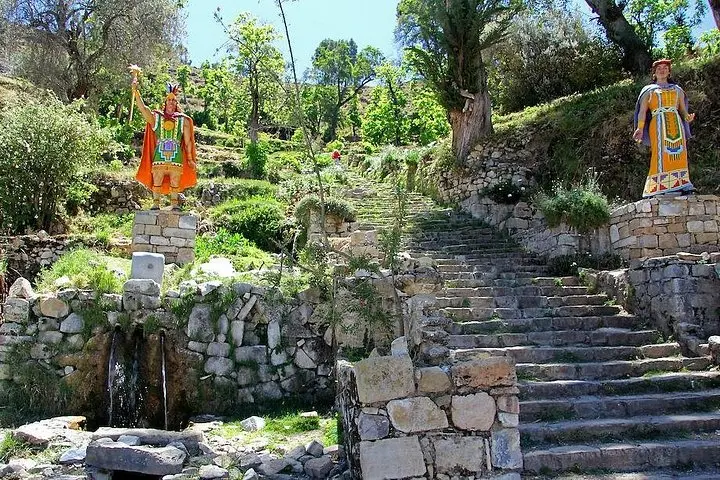
Isla del Sol sits in the western arm of Titicaca, the largest lake in South America and often called the highest navigable lake on Earth. Its slopes are carved by millennia of lake action and human hands: pre-Incan and Incan terraces, ritual platforms, and the narrow Inca Steps that climb from the water to the ridge above. The guide will lead you through Yumani, the island's working village, where stone fountains still supply fresh water and local women sell woven goods beneath corrugated roofs.
Geology here is blunt and visible—flat-bedded sedimentary terraces interrupted by volcanic ridgelines. The lake is a mirror that seems to weigh down the sky. Historically, this island was both sacred and practical; indigenous Aymara and earlier Tiwanaku cultures made it a ritual landscape, and the Inca later claimed it as a place of origin in some versions of their origin myths. The so-called Fountain of Youth and the Inca Staircase are less myth than ongoing cultural ritual: locals still draw water and perform offerings, and the stonework hums with footsteps.
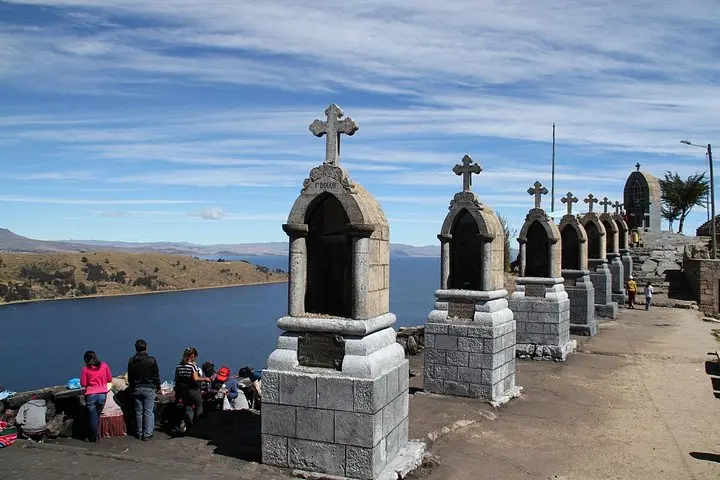
The day moves through a practical rhythm. You disembark for a guided walk to the Inca Steps and the spring, pause in Yumani for lunch, then wander to small archaeological sites that frame dramatic views over the lake. Your guide will point out the terraces, explain water management techniques used for centuries, and sketch how the island's microclimates support gardens of quinoa and potatoes.
Practicalities matter at this altitude: move deliberately, drink fluids, and pace your walk. Bring layered clothing for wind and sun, sturdy shoes for uneven stone paths, and a small pack for snacks and a camera. A passport is required for this tour, and lunch is included. Hotel pickup from La Paz is common, but many travelers break the trip in Copacabana to acclimatize.
This tour is equal parts cultural history and landscape: the lake dares you to slow down, the staircases invite a steady climb, and the island rewards curiosity with views that fold north toward Peru and south to the Bolivian shore. For travelers who want a single-day combination of transport, local insight, and a solid shoreline hike, the full-day Sun Island trip is a focused, practical way to experience one of the high plains' most magnetic places.
The tour runs a full day and typically includes hotel pickup from La Paz, round-trip share transfer, boat crossing, guided visits on Sun Island, and lunch.
Yes. A current passport is required on the day of travel for booking and border control procedures.
No. The route includes uneven stone steps and slopes; travelers should be able to walk several kilometers and manage stairs.
Yes. A vegetarian option is available if requested at booking; inform the supplier of allergies in advance.
Spend at least 24 hours in La Paz or Copacabana to acclimatize, avoid heavy drinking the night before, stay hydrated, and ascend at a steady pace.
Yes. Yumani has local artisans selling textiles and handicrafts, but carry bolivianos as card machines are rare.
Hanaqpacha Travel operates guided outdoor trips and adventures with an emphasis on safety, stewardship, and memorable experiences.
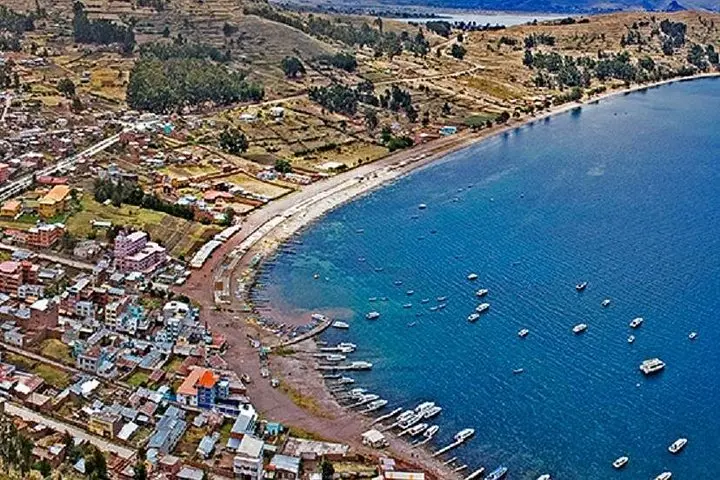
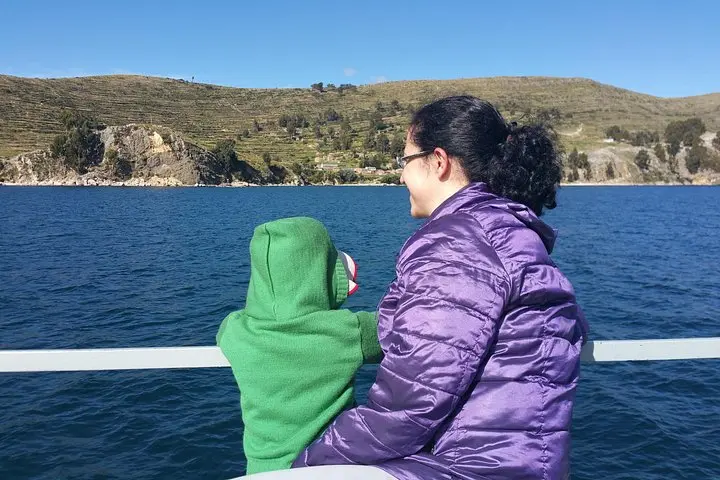
You step off the minivan into a wind that carries a high, crystalline light—the kind that only exists above 3,800 meters. Copacabana's shore spreads out beneath the mountains, and Lake Titicaca pulls at the world like a slow, deliberate tide. The boat engine coughs to life and you feel the lake's surface take you, carrying you toward Sun Island, where stone stairways and small adobe houses hover between sky and water.
You step off the minivan into a wind that carries a high, crystalline light—the kind that only exists above 3,800 meters. Copacabana's shore spreads out beneath the mountains, and Lake Titicaca pulls at the world like a slow, deliberate tide. The boat engine coughs to life and you feel the lake's surface take you, carrying you toward Sun Island, where stone stairways and small adobe houses hover between sky and water.
Isla del Sol sits in the western arm of Titicaca, the largest lake in South America and often called the highest navigable lake on Earth. Its slopes are carved by millennia of lake action and human hands: pre-Incan and Incan terraces, ritual platforms, and the narrow Inca Steps that climb from the water to the ridge above. The guide will lead you through Yumani, the island's working village, where stone fountains still supply fresh water and local women sell woven goods beneath corrugated roofs.
Geology here is blunt and visible—flat-bedded sedimentary terraces interrupted by volcanic ridgelines. The lake is a mirror that seems to weigh down the sky. Historically, this island was both sacred and practical; indigenous Aymara and earlier Tiwanaku cultures made it a ritual landscape, and the Inca later claimed it as a place of origin in some versions of their origin myths. The so-called Fountain of Youth and the Inca Staircase are less myth than ongoing cultural ritual: locals still draw water and perform offerings, and the stonework hums with footsteps.
The day moves through a practical rhythm. You disembark for a guided walk to the Inca Steps and the spring, pause in Yumani for lunch, then wander to small archaeological sites that frame dramatic views over the lake. Your guide will point out the terraces, explain water management techniques used for centuries, and sketch how the island's microclimates support gardens of quinoa and potatoes.
Practicalities matter at this altitude: move deliberately, drink fluids, and pace your walk. Bring layered clothing for wind and sun, sturdy shoes for uneven stone paths, and a small pack for snacks and a camera. A passport is required for this tour, and lunch is included. Hotel pickup from La Paz is common, but many travelers break the trip in Copacabana to acclimatize.
This tour is equal parts cultural history and landscape: the lake dares you to slow down, the staircases invite a steady climb, and the island rewards curiosity with views that fold north toward Peru and south to the Bolivian shore. For travelers who want a single-day combination of transport, local insight, and a solid shoreline hike, the full-day Sun Island trip is a focused, practical way to experience one of the high plains' most magnetic places.