THE ADVENTURE COLLECTIVE® · Independent discovery and booking for outdoor travel

A single long day that pairs the Mughal monuments of Agra with the devotional towns of Mathura and Vrindavan. Expect early starts, crowded sights, and a mix of imperial architecture and living temple culture.
A single long day that pairs the Mughal monuments of Agra with the devotional towns of Mathura and Vrindavan. Expect early starts, crowded sights, and a mix of imperial architecture and living temple culture.
You step into the day before sunrise: a quiet Delhi hotel lobby, an air-conditioned vehicle idling and the highway unspooling toward the Ganges plains. By midmorning the marble domes of the Taj Mahal appear through a haze; the monument’s white face shifts from pearly to warm as the sun climbs.
Verified experiences and guided adventures in the surrounding area.
Operated by Visit Mathura Vrindavan Tour · Agra, Uttar Pradesh
You step into the day before sunrise: a quiet Delhi hotel lobby, an air-conditioned vehicle idling and the highway unspooling toward the Ganges plains. By midmorning the marble domes of the Taj Mahal appear through a haze; the monument’s white face shifts from pearly to warm as the sun climbs.
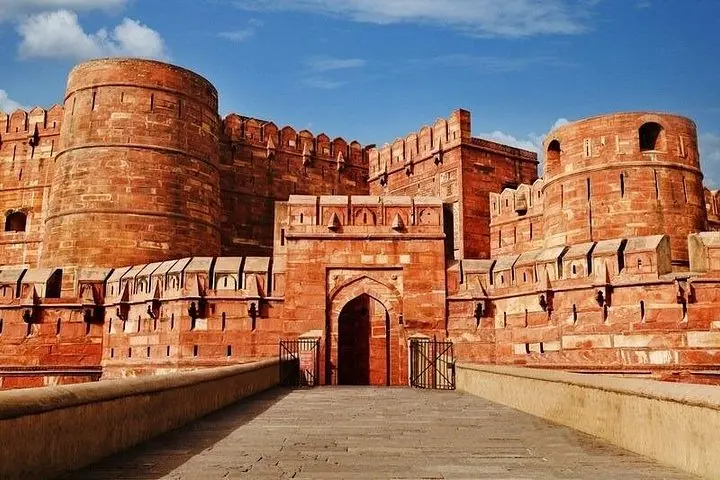
This full-day loop pairs Mughal Agra with the sacred towns of Mathura and Vrindavan. The Taj Mahal and Agra Fort date to the 16th–17th century Mughal era — stone and inlay that map imperial ambitions and funerary art. The surrounding plain is alluvial Gangetic sediment, flat farmland feeding centuries of human settlement; canals and the Yamuna River have shaped both agriculture and rituals here.
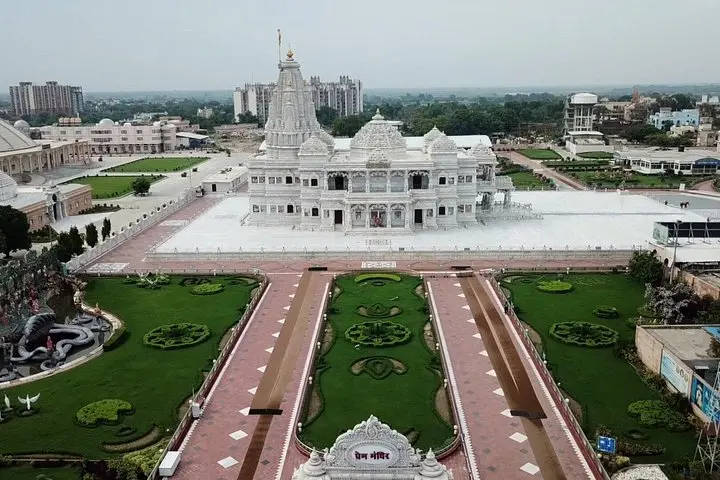
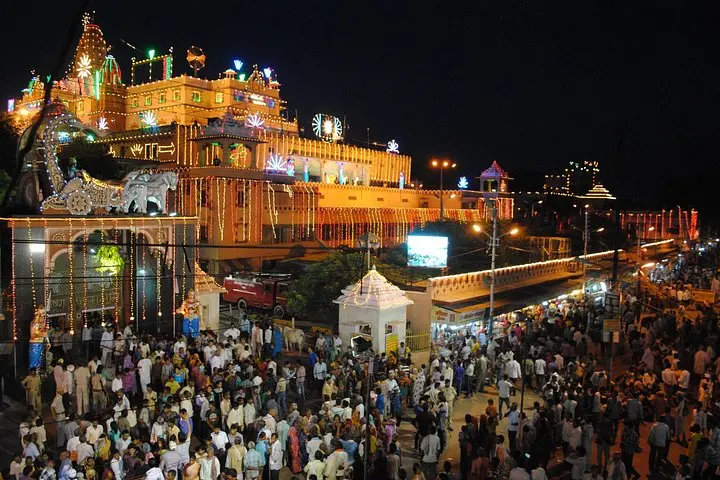
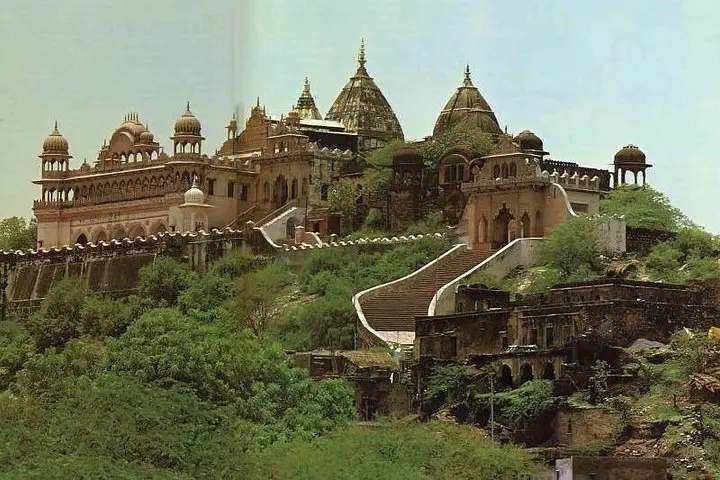
Mathura claims Lord Krishna’s birthplace, and Vrindavan’s narrow lanes host temples where devotional kirtan fills the air; expect brass bells, saffron paste, and ritual offerings. Local craftspeople continue Agra’s inlay and soft-stone carving traditions; pick a small piece rather than bargaining aggressively to support artisans.
Practical guide: this is a long, mostly low-impact day — plan for 12–14 hours including driving. Wear supportive shoes for walking on stone and uneven courtyards, pack sun protection, and carry a refillable bottle. Security lines at the Taj can be strict — avoid prohibited items and allow extra time. If you’re temple-bound, bring modest clothing to cover shoulders and knees.
Timing and pacing make the day: early Taj light, midday fort exploration, then afternoon pilgrimage in Mathura/Vrindavan, and an evening drive back to the capital.
The tour runs about 12–14 hours, typically starting around 6:30 AM from Delhi to maximize time at each site.
Admission to the Taj Mahal and Agra Fort is included in this package; expect guided entry with security checks.
Yes — it’s suitable for most ages, though it involves long days and some walking; travelers with serious mobility or heart issues should consult their physician.
Yes — Agra is known for marble inlay, leatherwork, and brass; shop in recommended stores or government emporiums for better quality and fair pricing.
Visit Mathura Vrindavan Tour operates guided outdoor trips and adventures with an emphasis on safety, stewardship, and memorable experiences.
You step into the day before sunrise: a quiet Delhi hotel lobby, an air-conditioned vehicle idling and the highway unspooling toward the Ganges plains. By midmorning the marble domes of the Taj Mahal appear through a haze; the monument’s white face shifts from pearly to warm as the sun climbs.
You step into the day before sunrise: a quiet Delhi hotel lobby, an air-conditioned vehicle idling and the highway unspooling toward the Ganges plains. By midmorning the marble domes of the Taj Mahal appear through a haze; the monument’s white face shifts from pearly to warm as the sun climbs.
This full-day loop pairs Mughal Agra with the sacred towns of Mathura and Vrindavan. The Taj Mahal and Agra Fort date to the 16th–17th century Mughal era — stone and inlay that map imperial ambitions and funerary art. The surrounding plain is alluvial Gangetic sediment, flat farmland feeding centuries of human settlement; canals and the Yamuna River have shaped both agriculture and rituals here.
Mathura claims Lord Krishna’s birthplace, and Vrindavan’s narrow lanes host temples where devotional kirtan fills the air; expect brass bells, saffron paste, and ritual offerings. Local craftspeople continue Agra’s inlay and soft-stone carving traditions; pick a small piece rather than bargaining aggressively to support artisans.
Practical guide: this is a long, mostly low-impact day — plan for 12–14 hours including driving. Wear supportive shoes for walking on stone and uneven courtyards, pack sun protection, and carry a refillable bottle. Security lines at the Taj can be strict — avoid prohibited items and allow extra time. If you’re temple-bound, bring modest clothing to cover shoulders and knees.
Timing and pacing make the day: early Taj light, midday fort exploration, then afternoon pilgrimage in Mathura/Vrindavan, and an evening drive back to the capital.