THE ADVENTURE COLLECTIVE® · Independent discovery and booking for outdoor travel

Spend a day chasing elephant herds and iconic baobabs on a six-hour game drive from Arusha into Tarangire National Park. This joined-group safari focuses on high-density wildlife viewing, riverside panoramas and a midday picnic at a scenic site.
Spend a day chasing elephant herds and iconic baobabs on a six-hour game drive from Arusha into Tarangire National Park. This joined-group safari focuses on high-density wildlife viewing, riverside panoramas and a midday picnic at a scenic site.
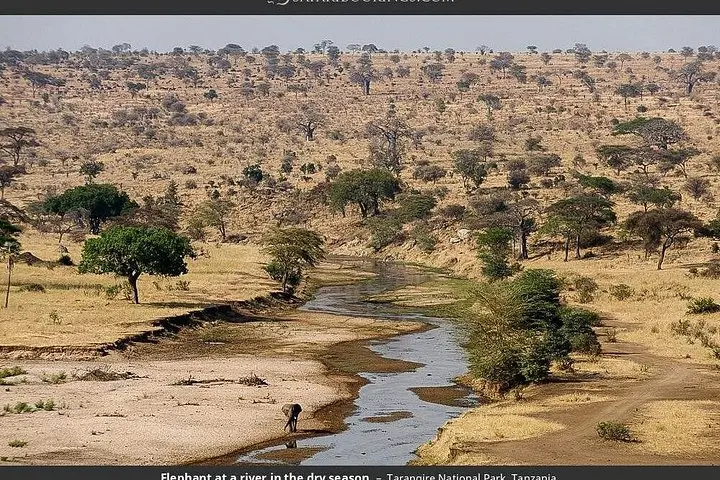
You step into light that leaks through acacia crowns: dust lifts from the tracks ahead as a pop-up 4x4 eases toward a river bend where elephants drink. Tarangire’s wide plains feel impatient, the river daring her herds to come closer; baobab trunks stand like old guards across the horizon.
Verified experiences and guided adventures in the surrounding area.
Operated by Serengeti Safari Booking · Arusha, Arusha Region
You step into light that leaks through acacia crowns: dust lifts from the tracks ahead as a pop-up 4x4 eases toward a river bend where elephants drink. Tarangire’s wide plains feel impatient, the river daring her herds to come closer; baobab trunks stand like old guards across the horizon.
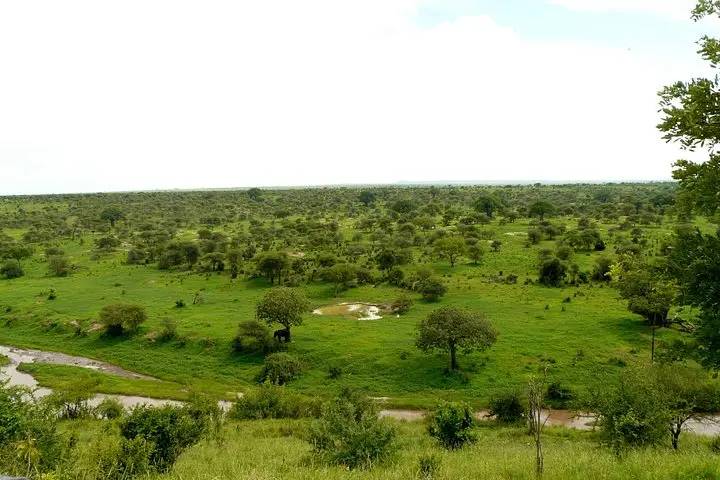
Tarangire National Park covers roughly 2,850 km² and sits about 118 km (roughly two hours) southwest of Arusha. Established as part of Tanzania’s protected network in the 1970s, the park protects seasonal migratory routes and a remarkably high density of elephants — well over a hundred are commonly seen on a single drive. Geologically the landscape is a mix of volcanic soils, laterite ridges and floodplain clay that feeds the Tarangire River during the dry season.
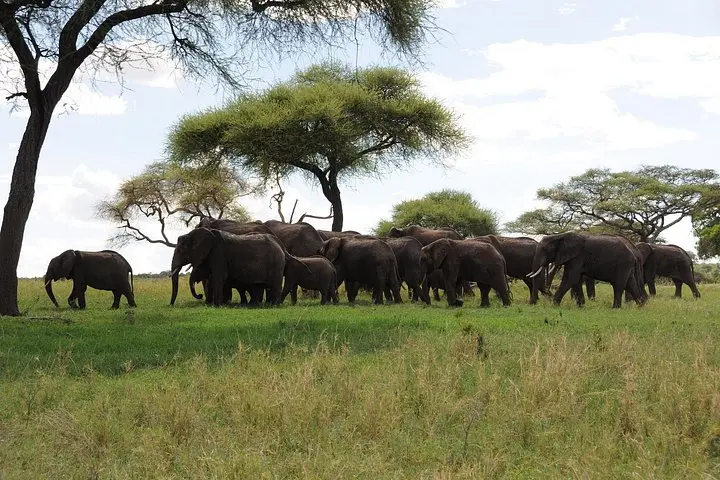
Culturally you’ll pass Maasai grazing cattle and may hear Chagga or Swahili spoken by local guides; learning their land-use patterns gives context to the wildlife you watch. Expect to see elephant herds, giraffes, zebra, buffalo and dry-country specialists like gerenuk and fringe-eared oryx, plus prolific birdlife.
Practically: this joined-group itinerary runs about six hours of game driving with a picnic lunch at midday and optional guided walks when conditions permit. Bring binoculars, sun protection and a camera with a long lens. Vehicle rides are bumpy and sun-exposed — layer for early-morning cool and mid-day heat, hydrate often, and plan for an early pickup from Arusha. A single day won’t cover every corner of Tarangire, but it delivers concentrated, accessible wildlife viewing and the chance to watch large mammals work the river’s edge.
The transfer is roughly 118 km and usually takes about two hours each way depending on traffic and road conditions.
This itinerary includes park entry and a picnic lunch; confirm any extra fees or drink purchases with the operator before travel.
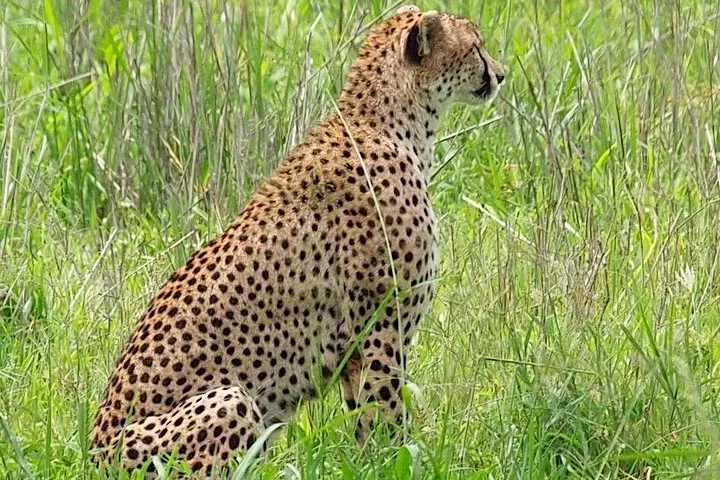
Tarangire has one of the highest elephant densities in Tanzania and sightings are common, but wildlife cannot be guaranteed—predators are more elusive and depend on season and luck.
The tour is advertised as suitable for most fitness levels and offers accessible transport options, but infants must sit on laps and those with spinal, heart, or pregnancy concerns should check restrictions first.
Serengeti Safari Booking operates guided outdoor trips and adventures with an emphasis on safety, stewardship, and memorable experiences.
You step into light that leaks through acacia crowns: dust lifts from the tracks ahead as a pop-up 4x4 eases toward a river bend where elephants drink. Tarangire’s wide plains feel impatient, the river daring her herds to come closer; baobab trunks stand like old guards across the horizon.
You step into light that leaks through acacia crowns: dust lifts from the tracks ahead as a pop-up 4x4 eases toward a river bend where elephants drink. Tarangire’s wide plains feel impatient, the river daring her herds to come closer; baobab trunks stand like old guards across the horizon.
Tarangire National Park covers roughly 2,850 km² and sits about 118 km (roughly two hours) southwest of Arusha. Established as part of Tanzania’s protected network in the 1970s, the park protects seasonal migratory routes and a remarkably high density of elephants — well over a hundred are commonly seen on a single drive. Geologically the landscape is a mix of volcanic soils, laterite ridges and floodplain clay that feeds the Tarangire River during the dry season.
Culturally you’ll pass Maasai grazing cattle and may hear Chagga or Swahili spoken by local guides; learning their land-use patterns gives context to the wildlife you watch. Expect to see elephant herds, giraffes, zebra, buffalo and dry-country specialists like gerenuk and fringe-eared oryx, plus prolific birdlife.
Practically: this joined-group itinerary runs about six hours of game driving with a picnic lunch at midday and optional guided walks when conditions permit. Bring binoculars, sun protection and a camera with a long lens. Vehicle rides are bumpy and sun-exposed — layer for early-morning cool and mid-day heat, hydrate often, and plan for an early pickup from Arusha. A single day won’t cover every corner of Tarangire, but it delivers concentrated, accessible wildlife viewing and the chance to watch large mammals work the river’s edge.