THE ADVENTURE COLLECTIVE® · Independent discovery and booking for outdoor travel

Spend a full day tracing tequila from agave fields to bottle with visits to Castillo de Tequila, working distilleries, and the town’s market. This guided private tour combines tasting, culture, and volcanic landscape views in an 8–10 hour outing.
Spend a full day tracing tequila from agave fields to bottle with visits to Castillo de Tequila, working distilleries, and the town’s market. This guided private tour combines tasting, culture, and volcanic landscape views in an 8–10 hour outing.
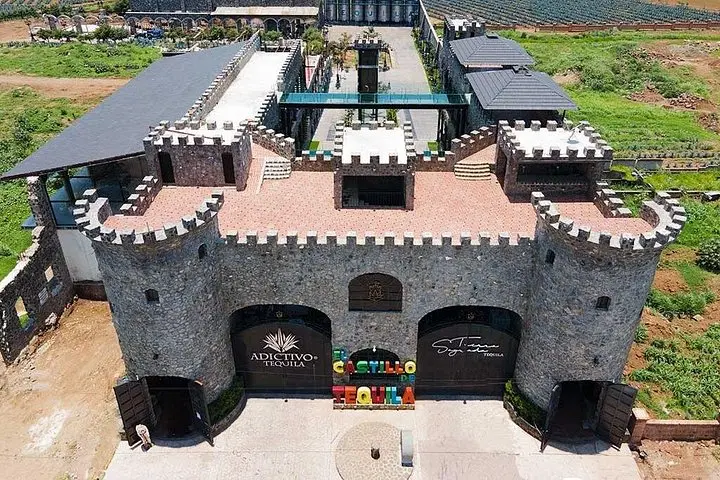
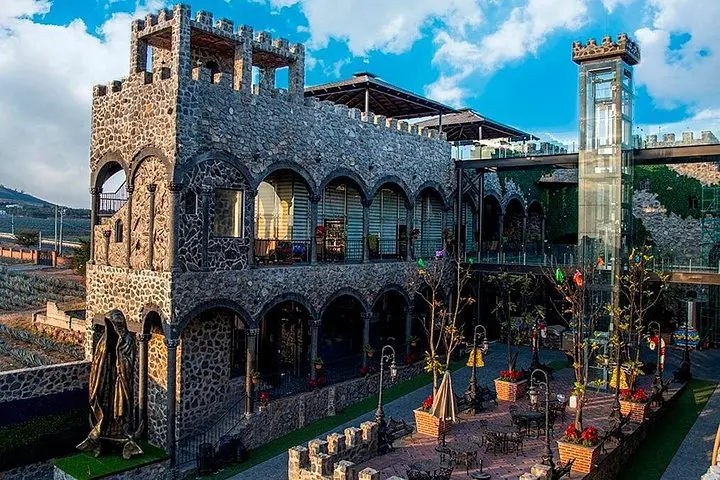
You arrive through a ribbon of highway and the landscape opens into rows of blue-green agave that tilt toward the horizon, each plant angled like an arrow toward the town of Tequila. Morning light picks out the ridges of the volcanic valley; the air smells faintly of earth and fermenting agave. The tour moves at a measured pace—first the Castillo de Tequila for an orientation to local history, then into working distilleries where copper stills and oak barrels trace the arc from field to bottle.
Verified experiences and guided adventures in the surrounding area.
Operated by TRANSPORTES GDL Y TOURS · Tequila, Jalisco
You arrive through a ribbon of highway and the landscape opens into rows of blue-green agave that tilt toward the horizon, each plant angled like an arrow toward the town of Tequila. Morning light picks out the ridges of the volcanic valley; the air smells faintly of earth and fermenting agave. The tour moves at a measured pace—first the Castillo de Tequila for an orientation to local history, then into working distilleries where copper stills and oak barrels trace the arc from field to bottle.
The region sits on volcanic soils from the Tequila Volcano and nearby Sierra Madre foothills; those minerals help give agave-grown tequila its signature profile. Tequila town itself is part of the UNESCO-listed Agave Landscape and Ancient Industrial Facilities of Tequila, where 19th-century industrial architecture and traditional hornos (earth ovens) coexist with modern production lines.
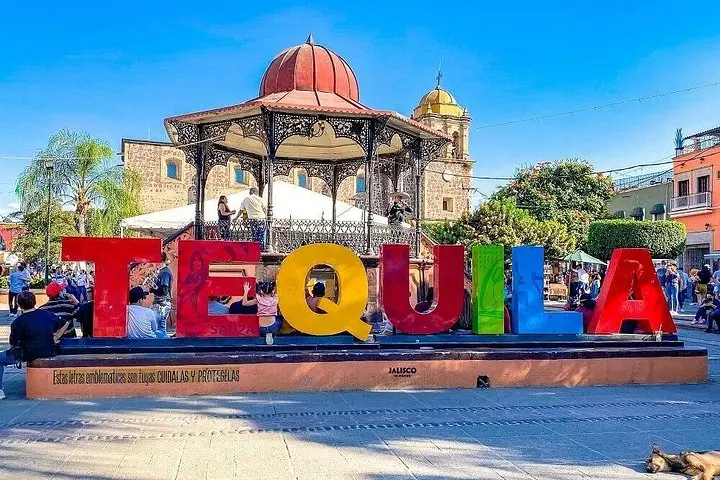
Culturally, expect mariachi performances, market stalls selling local sweets, and the persistent presence of charro culture in the plaza. Guides explain classifications—blanco, reposado, añejo—and the role of jimadores who harvest the piña.
Practical guidance: wear sturdy shoes for cobbled streets and uneven distillery yards, bring sun protection and a light jacket for breezy afternoons, and plan for an 8–10 hour day with walking, tastings, and photo stops. Hydrate between tastings and use the free time in town to visit the municipal market or the small artisan shops. For a memorable finish, grab a photo at the swing or overlook before returning to Guadalajara.
Yes—this private tour includes air‑conditioned round-trip transport from Guadalajara per the booking details.
Tastings are included at scheduled distillery stops; guides typically moderate samples, but you can decline additional pours.
Children can join, but underage guests should not participate in tastings; check the operator’s age policies when booking.
Accessibility varies by distillery; cobbled streets and some historic sites may limit access—confirm requirements with the operator ahead of time.
TRANSPORTES GDL Y TOURS operates guided outdoor trips and adventures with an emphasis on safety, stewardship, and memorable experiences.
You arrive through a ribbon of highway and the landscape opens into rows of blue-green agave that tilt toward the horizon, each plant angled like an arrow toward the town of Tequila. Morning light picks out the ridges of the volcanic valley; the air smells faintly of earth and fermenting agave. The tour moves at a measured pace—first the Castillo de Tequila for an orientation to local history, then into working distilleries where copper stills and oak barrels trace the arc from field to bottle.
You arrive through a ribbon of highway and the landscape opens into rows of blue-green agave that tilt toward the horizon, each plant angled like an arrow toward the town of Tequila. Morning light picks out the ridges of the volcanic valley; the air smells faintly of earth and fermenting agave. The tour moves at a measured pace—first the Castillo de Tequila for an orientation to local history, then into working distilleries where copper stills and oak barrels trace the arc from field to bottle.
The region sits on volcanic soils from the Tequila Volcano and nearby Sierra Madre foothills; those minerals help give agave-grown tequila its signature profile. Tequila town itself is part of the UNESCO-listed Agave Landscape and Ancient Industrial Facilities of Tequila, where 19th-century industrial architecture and traditional hornos (earth ovens) coexist with modern production lines.
Culturally, expect mariachi performances, market stalls selling local sweets, and the persistent presence of charro culture in the plaza. Guides explain classifications—blanco, reposado, añejo—and the role of jimadores who harvest the piña.
Practical guidance: wear sturdy shoes for cobbled streets and uneven distillery yards, bring sun protection and a light jacket for breezy afternoons, and plan for an 8–10 hour day with walking, tastings, and photo stops. Hydrate between tastings and use the free time in town to visit the municipal market or the small artisan shops. For a memorable finish, grab a photo at the swing or overlook before returning to Guadalajara.