THE ADVENTURE COLLECTIVE® · Independent discovery and booking for outdoor travel

Spend a day on the Red Sea exploring Tiran Island’s coral gardens, with gear, transfers, lunch, and marine park fees included. Ideal for families and snorkelers seeking clear water, abundant fish, and guided reef access.
Spend a day on the Red Sea exploring Tiran Island’s coral gardens, with gear, transfers, lunch, and marine park fees included. Ideal for families and snorkelers seeking clear water, abundant fish, and guided reef access.
The boat slips away from Sharm El Sheikh as the shoreline thins and the Red Sea opens—blue glass broken only by distant reefs. Within an hour the captain slows; coral gardens edge the island like living architecture, and the water seems to call, daring you to drop in and float above it.
Verified experiences and guided adventures in the surrounding area.
Operated by Reef Oasis Dive Club · Sharm El Sheikh, South Sinai
The boat slips away from Sharm El Sheikh as the shoreline thins and the Red Sea opens—blue glass broken only by distant reefs. Within an hour the captain slows; coral gardens edge the island like living architecture, and the water seems to call, daring you to drop in and float above it.
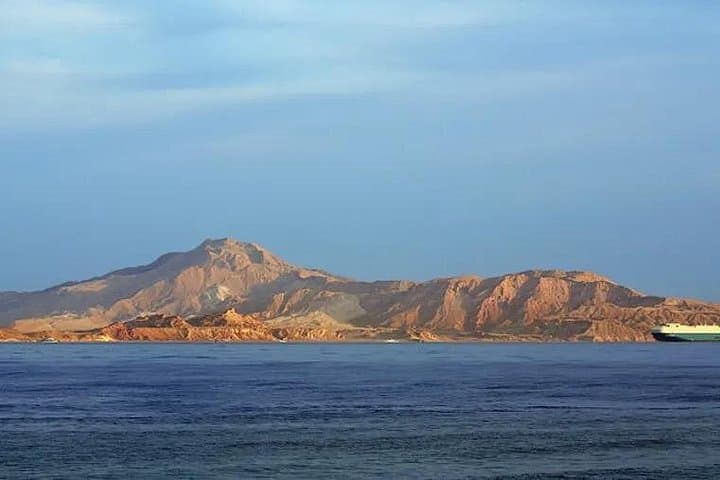
Tiran Island sits at the mouth of the Strait of Tiran, a narrow gateway between the Gulf of Aqaba and the open Red Sea. Its reefs have formed over millennia on volcanic and limestone foundations, creating steep coral walls, bommies, and shallow plateaus. Historically strategic for maritime traffic, the island is now protected as part of a marine park; local Bedouin and Egyptian fishing traditions still influence menus and boat crews.
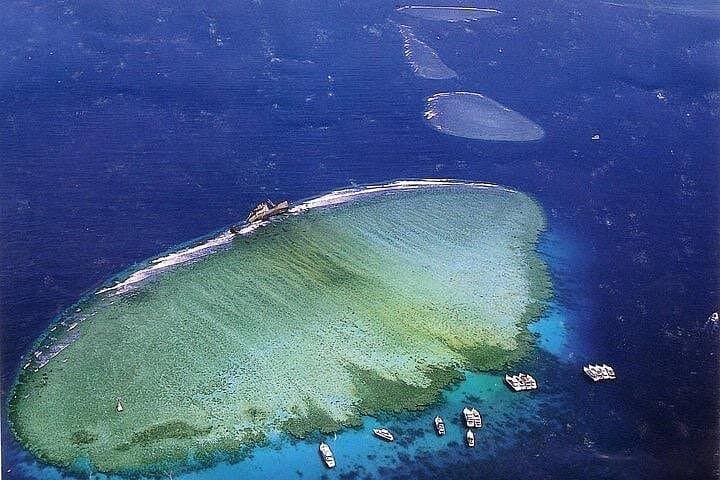
Expect vivid, shallow reefs teeming with parrotfish, angelfish, and hard coral colonies. Visibility here is typically excellent—often 15–30 meters—making it a magnet for photographers and families. Currents through the strait can be lively; guides choose sheltered spots or drift-friendly channels based on conditions, so your route may vary.
Practical guidance: sunrise departures beat the heat and crowds; wear reef-safe sunscreen, and bring a long-sleeve rashguard for sun and wind. Non-swimmers are accommodated with life jackets and shallow-entry sites, but basic snorkel comfort helps. The tour usually includes transfers, lunch (often fresh seafood), snorkel gear, and marine park fees—verify wetsuit availability in winter.
Timing, hydration, and reef etiquette (no touching or anchoring on coral) keep the experience smooth. Come prepared to glide over reefs that push and beckon—this is snorkeling shaped by clear water, careful stewardship, and an easy, all-day rhythm on the Red Sea.
Yes—most tours supply mask, fins, life jacket and wetsuits in winter, but many visitors bring their own masks for fit and comfort.
Currents can vary; guides select sheltered or drift-friendly spots based on conditions and will brief swimmers before each entry.
Lunch and drinks are typically included—often a seafood-based meal prepared ashore or on the boat; check for dietary options when booking.
Yes—life jackets are provided and guides usually choose shallow sites suitable for non-swimmers, but basic water comfort is recommended.
Reef Oasis Dive Club operates guided outdoor trips and adventures with an emphasis on safety, stewardship, and memorable experiences.

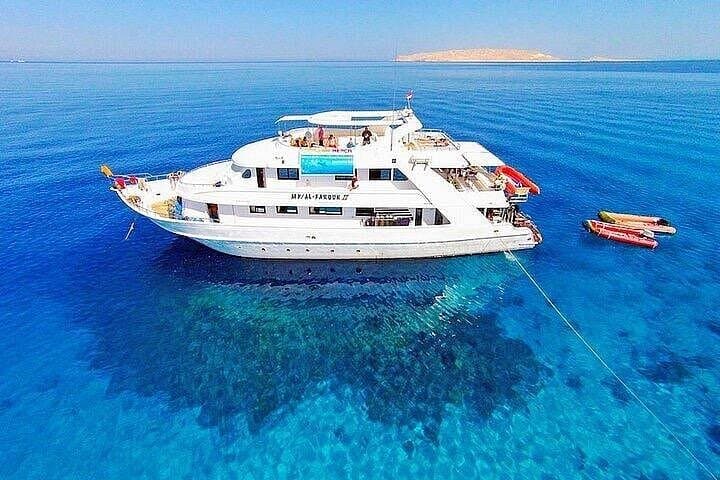
The boat slips away from Sharm El Sheikh as the shoreline thins and the Red Sea opens—blue glass broken only by distant reefs. Within an hour the captain slows; coral gardens edge the island like living architecture, and the water seems to call, daring you to drop in and float above it.
The boat slips away from Sharm El Sheikh as the shoreline thins and the Red Sea opens—blue glass broken only by distant reefs. Within an hour the captain slows; coral gardens edge the island like living architecture, and the water seems to call, daring you to drop in and float above it.
Tiran Island sits at the mouth of the Strait of Tiran, a narrow gateway between the Gulf of Aqaba and the open Red Sea. Its reefs have formed over millennia on volcanic and limestone foundations, creating steep coral walls, bommies, and shallow plateaus. Historically strategic for maritime traffic, the island is now protected as part of a marine park; local Bedouin and Egyptian fishing traditions still influence menus and boat crews.
Expect vivid, shallow reefs teeming with parrotfish, angelfish, and hard coral colonies. Visibility here is typically excellent—often 15–30 meters—making it a magnet for photographers and families. Currents through the strait can be lively; guides choose sheltered spots or drift-friendly channels based on conditions, so your route may vary.
Practical guidance: sunrise departures beat the heat and crowds; wear reef-safe sunscreen, and bring a long-sleeve rashguard for sun and wind. Non-swimmers are accommodated with life jackets and shallow-entry sites, but basic snorkel comfort helps. The tour usually includes transfers, lunch (often fresh seafood), snorkel gear, and marine park fees—verify wetsuit availability in winter.
Timing, hydration, and reef etiquette (no touching or anchoring on coral) keep the experience smooth. Come prepared to glide over reefs that push and beckon—this is snorkeling shaped by clear water, careful stewardship, and an easy, all-day rhythm on the Red Sea.