THE ADVENTURE COLLECTIVE® · Independent discovery and booking for outdoor travel

Board a full-day boat from San José to Isla Tortuga and spend five hours on turquoise waters and a protected white-sand beach. This one-day excursion combines dolphin watching, snorkeling, and a beachside lunch with hotel transfers and local insights.
Board a full-day boat from San José to Isla Tortuga and spend five hours on turquoise waters and a protected white-sand beach. This one-day excursion combines dolphin watching, snorkeling, and a beachside lunch with hotel transfers and local insights.
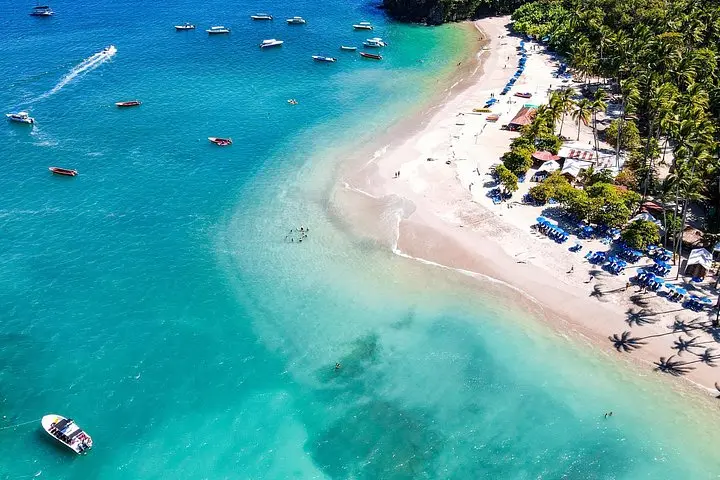
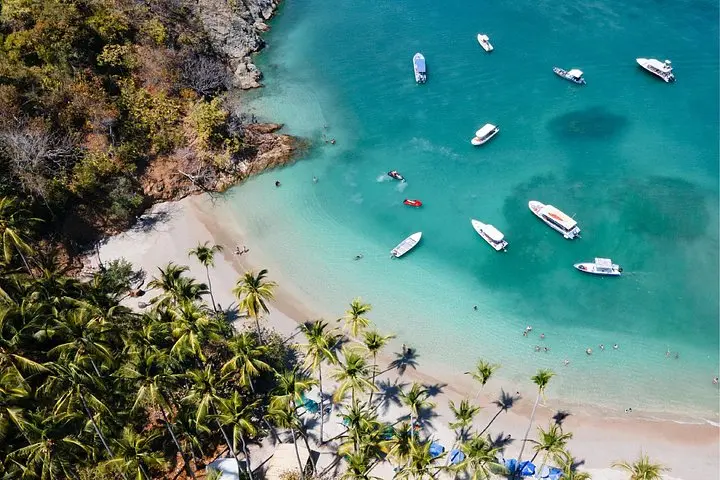
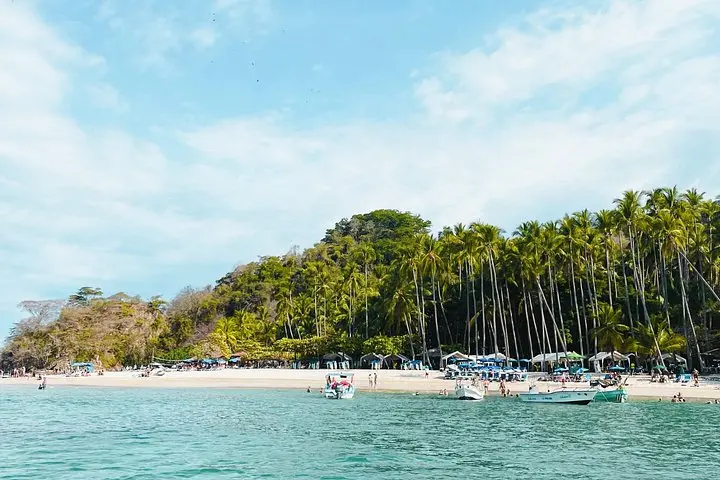
The morning light off the Pacific pushes a cool, glassy path toward Isla Tortuga as the boat pulls away from Puntarenas. Sea spray sharpens the air; dolphins often streak alongside the hull, daring passengers to look up from their coffee. After the road transfer from San José, the ride across the Gulf of Nicoya opens into broad, turquoise shallows and the island’s white-sand crescent—Playa Tortuga—appears framed by low forest and volcanic rock.
Verified experiences and guided adventures in the surrounding area.
Operated by Inside Tours Costa Rica · Puntarenas, Puntarenas
The morning light off the Pacific pushes a cool, glassy path toward Isla Tortuga as the boat pulls away from Puntarenas. Sea spray sharpens the air; dolphins often streak alongside the hull, daring passengers to look up from their coffee. After the road transfer from San José, the ride across the Gulf of Nicoya opens into broad, turquoise shallows and the island’s white-sand crescent—Playa Tortuga—appears framed by low forest and volcanic rock.
Tortuga Island (called Tolinga by local indigenous groups) totals roughly 120 hectares and is managed as a protected forest; Costa Rica has awarded the beach the Ecological Blue Flag for consistently clean waters. Geologically the island is part of the Gulf’s island chain—rocky foundations of older volcanic deposits smoothed by marine action, with sand pockets formed from coral and shell fragments.
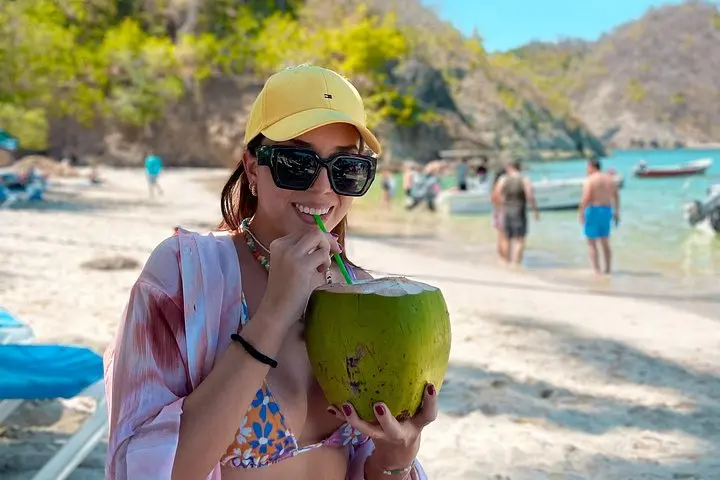
Culturally, the route links urban San José and the coastal fishing towns around Puntarenas; onboard guides usually point out fishing platforms, mangrove mouths and the seasonal presence of spinner dolphins. The tour typically includes snorkeling from the shore, a buffet lunch, and about five hours of beach time—enough for a relaxed swim or a short nature walk.
Practical notes: this is a long day (expect 12–15 hours door-to-door), so bring reef-safe sunscreen, a dry bag, and water shoes for rocky shore entry. Seasickness meds are worth considering for those prone to motion sickness. Cash is useful for small purchases during stops. Respect the protected status: avoid trampling vegetation and carry out any trash. The island rewards patient observers—tide pools and seabirds often supply the day’s best surprises.
From Puntarenas the crossing is typically around 45–60 minutes depending on sea conditions; travel from San José adds a 1.5–2.5 hour bus segment each way.
Most operators supply basic snorkel sets for beach snorkeling, but you can bring your own mask for a better fit.
Yes—this experience is family-friendly and listed as suitable for most fitness levels, but infants must sit on laps during transport and parents should supervise in the water.
Tours may be canceled or rescheduled for safety; check the operator’s 24-hour cancellation window and confirm pickup times by WhatsApp the day before departure.
Inside Tours Costa Rica operates guided outdoor trips and adventures with an emphasis on safety, stewardship, and memorable experiences.
The morning light off the Pacific pushes a cool, glassy path toward Isla Tortuga as the boat pulls away from Puntarenas. Sea spray sharpens the air; dolphins often streak alongside the hull, daring passengers to look up from their coffee. After the road transfer from San José, the ride across the Gulf of Nicoya opens into broad, turquoise shallows and the island’s white-sand crescent—Playa Tortuga—appears framed by low forest and volcanic rock.
The morning light off the Pacific pushes a cool, glassy path toward Isla Tortuga as the boat pulls away from Puntarenas. Sea spray sharpens the air; dolphins often streak alongside the hull, daring passengers to look up from their coffee. After the road transfer from San José, the ride across the Gulf of Nicoya opens into broad, turquoise shallows and the island’s white-sand crescent—Playa Tortuga—appears framed by low forest and volcanic rock.
Tortuga Island (called Tolinga by local indigenous groups) totals roughly 120 hectares and is managed as a protected forest; Costa Rica has awarded the beach the Ecological Blue Flag for consistently clean waters. Geologically the island is part of the Gulf’s island chain—rocky foundations of older volcanic deposits smoothed by marine action, with sand pockets formed from coral and shell fragments.
Culturally, the route links urban San José and the coastal fishing towns around Puntarenas; onboard guides usually point out fishing platforms, mangrove mouths and the seasonal presence of spinner dolphins. The tour typically includes snorkeling from the shore, a buffet lunch, and about five hours of beach time—enough for a relaxed swim or a short nature walk.
Practical notes: this is a long day (expect 12–15 hours door-to-door), so bring reef-safe sunscreen, a dry bag, and water shoes for rocky shore entry. Seasickness meds are worth considering for those prone to motion sickness. Cash is useful for small purchases during stops. Respect the protected status: avoid trampling vegetation and carry out any trash. The island rewards patient observers—tide pools and seabirds often supply the day’s best surprises.