THE ADVENTURE COLLECTIVE® · Independent discovery and booking for outdoor travel

Drive three hours from Guilin to reach the stepped rice terraces of Longji, then walk into Pingan village to experience centuries-old Zhuang and Yao farming life. This full-day tour combines scenic viewpoints, short hikes over stone steps, and a cultural stop in Huangluo Yao village.
Drive three hours from Guilin to reach the stepped rice terraces of Longji, then walk into Pingan village to experience centuries-old Zhuang and Yao farming life. This full-day tour combines scenic viewpoints, short hikes over stone steps, and a cultural stop in Huangluo Yao village.
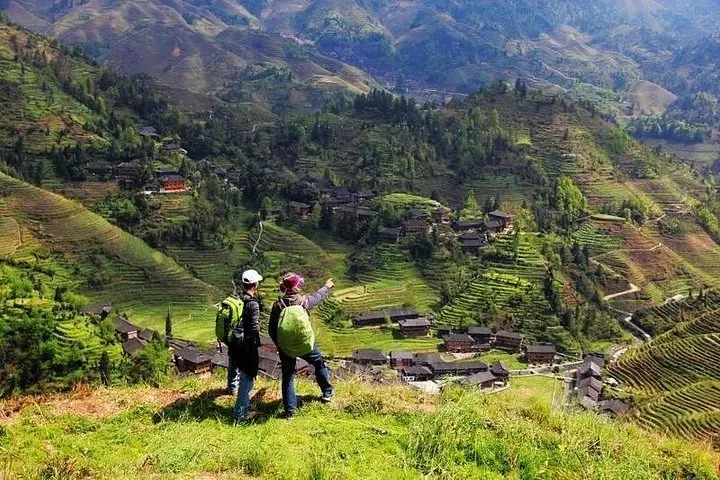
You step off the van into a cool mountain air threaded with rice-straw smoke and the clack of wooden shutters — the terraces stretch away like a carved staircase, each bench of water catching the sky. The road from Guilin takes about three hours; the parking lot sits above Pingan village, and a 15–25 minute walk down a stone path delivers you into the terraces’ layered geometry.
Verified experiences and guided adventures in the surrounding area.
Operated by ETripChina · Longsheng County, Guangxi
You step off the van into a cool mountain air threaded with rice-straw smoke and the clack of wooden shutters — the terraces stretch away like a carved staircase, each bench of water catching the sky. The road from Guilin takes about three hours; the parking lot sits above Pingan village, and a 15–25 minute walk down a stone path delivers you into the terraces’ layered geometry.
The Longji (Dragon’s Backbone) terraces occupy a network of slopes cultivated for more than 2,000 years by Zhuang and Yao communities. Centuries of soil movement, seasonal flooding and hand-built retaining walls shaped the stepped fields; geology here is limestone and red earth, with steep drainage lines that channel monsoon runoff into narrow channels.
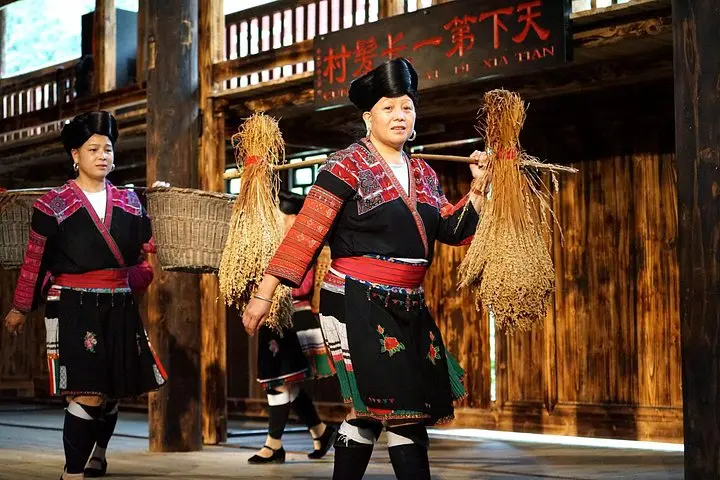
Culturally, Pingan is a living rural village; Huangluo Yao village specializes in Yao customs, including the famous long-hair tradition and periodic minority performances. Expect wooden homes, terraced irrigation channels, and farmers tending plots — the landscape seems to breathe with each terrace, water daring you to follow its seam.
Practically, the visit mixes viewpoints and short hikes across uneven stone steps and dirt tracks. Plan for 8 hours round-trip from Guilin, comfortable walking shoes, and layered clothing for wind-exposed ridges. Lunch in Pingan or a packed meal works equally well; the guide handles entrance fees and logistics. Rise early for soft light on the terraces or visit late afternoon for long shadows — both offer strong photography and a clearer cadence of village life.
The van ride to Longji Terraces takes about three hours each way, depending on traffic and road conditions.
Expect short walks of 15–30 minutes on uneven stone paths from the parking lot into Pingan and between viewpoints; some stair climbing is required.
This tour includes entrance fees and a private transfer; lunch options vary — you can eat in Pingan or bring your own packed meal.
Many families and older travelers visit, but those with mobility issues should note the stone steps and uneven terrain and may prefer limited walking.
ETripChina operates guided outdoor trips and adventures with an emphasis on safety, stewardship, and memorable experiences.


You step off the van into a cool mountain air threaded with rice-straw smoke and the clack of wooden shutters — the terraces stretch away like a carved staircase, each bench of water catching the sky. The road from Guilin takes about three hours; the parking lot sits above Pingan village, and a 15–25 minute walk down a stone path delivers you into the terraces’ layered geometry.
You step off the van into a cool mountain air threaded with rice-straw smoke and the clack of wooden shutters — the terraces stretch away like a carved staircase, each bench of water catching the sky. The road from Guilin takes about three hours; the parking lot sits above Pingan village, and a 15–25 minute walk down a stone path delivers you into the terraces’ layered geometry.
The Longji (Dragon’s Backbone) terraces occupy a network of slopes cultivated for more than 2,000 years by Zhuang and Yao communities. Centuries of soil movement, seasonal flooding and hand-built retaining walls shaped the stepped fields; geology here is limestone and red earth, with steep drainage lines that channel monsoon runoff into narrow channels.
Culturally, Pingan is a living rural village; Huangluo Yao village specializes in Yao customs, including the famous long-hair tradition and periodic minority performances. Expect wooden homes, terraced irrigation channels, and farmers tending plots — the landscape seems to breathe with each terrace, water daring you to follow its seam.
Practically, the visit mixes viewpoints and short hikes across uneven stone steps and dirt tracks. Plan for 8 hours round-trip from Guilin, comfortable walking shoes, and layered clothing for wind-exposed ridges. Lunch in Pingan or a packed meal works equally well; the guide handles entrance fees and logistics. Rise early for soft light on the terraces or visit late afternoon for long shadows — both offer strong photography and a clearer cadence of village life.