THE ADVENTURE COLLECTIVE® · Independent discovery and booking for outdoor travel

A full-day guided trek from El Calafate to Laguna de los Tres puts you within arm's reach of the Fitz Roy massif. Expect a long transfer, a steep final ascent (430m over ~3 km), and one of Patagonia's most iconic mountain-lake views.
A full-day guided trek from El Calafate to Laguna de los Tres puts you within arm's reach of the Fitz Roy massif. Expect a long transfer, a steep final ascent (430m over ~3 km), and one of Patagonia's most iconic mountain-lake views.
You step out of the minibus into a wind that already seems to know the day's plan: sharp, clean, and insistent. The road from El Calafate unfurls through the Patagonian steppe for nearly three hours, then the Andes rise like a wall you can walk toward. By the time the village of El Chaltén appears—low buildings, a scattering of trekkers—the guide hands out food packs and the trail begins.
Verified experiences and guided adventures in the surrounding area.
Operated by Azul Latina Travel · El Chaltén, Santa Cruz
You step out of the minibus into a wind that already seems to know the day's plan: sharp, clean, and insistent. The road from El Calafate unfurls through the Patagonian steppe for nearly three hours, then the Andes rise like a wall you can walk toward. By the time the village of El Chaltén appears—low buildings, a scattering of trekkers—the guide hands out food packs and the trail begins.
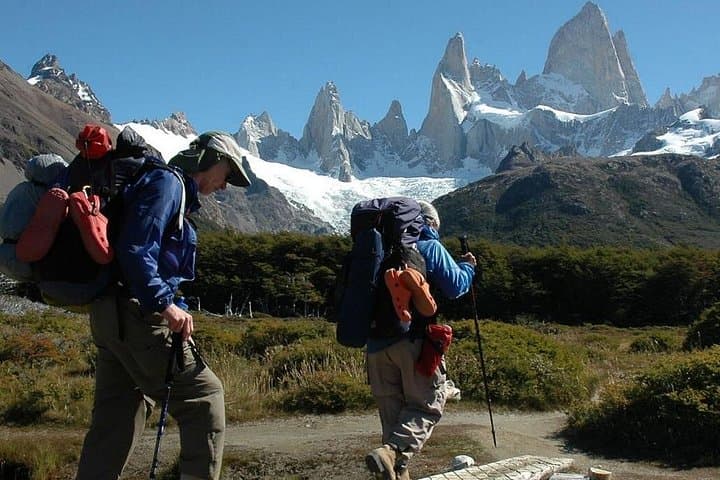
The route threads old lenga forest, crosses the White River, and skirts Camp Poincenot before the final lung-burner: roughly 430 meters of elevation gain across about 3 kilometers to reach the moraine that looks down into Laguna de los Tres. From that ridge, the Fitz Roy massif looms—granite faces that seem to push the sky away—and the glacier-fed lagoon sits like a glass basin at its feet. It is the kind of view that stops conversation and makes a lunch bag taste like an event.
This day trip ties geology and local history together. The peaks—called Chaltén by the Tehuelche people, meaning "smoking mountain"—were christened Fitz Roy by European explorers but have long belonged to the region's Indigenous and estancias culture. The glaciers here carve the valleys; moraines and outwash plain the paths you follow. Guides in El Chaltén are frequently AAGM-certified and bilingual; the outfitter provides trekking poles and, if conditions demand, six-point crampons.
Expect a demanding day: the operator lists the activity as medium to high physical demand, with an age guideline of 10–55 (exceptions considered for very fit hikers). Logistics are straightforward but firm—pickup in Calafate at 06:00, a return to town late evening, passport data required at booking, and the transfer covers the round-trip. The trail itself is well-trod but steep in sections and exposed to fast-changing weather.
Plan like a local: layer for wind and sun, carry 2–3 liters of water, and choose sturdy boots with a grippy sole. Timing matters—start early to avoid afternoon winds and to give yourself time at the lagoon. If you prefer a gentler day, guides split slow or short-route groups toward Laguna Capri and back. Bring your camera, but also bring patience to simply stand and let the mountain assess you. This is a trek that demands fitness, rewards focus, and leaves you with one of Patagonia's clearest perspectives on why people keep coming back.
The transfer is about 220 km and roughly 3 hours each way, with pick up around 06:00 and arrival back in El Calafate between 21:00–22:00.
You climb approximately 430 meters over almost 3 kilometers from the White River/Poincenot area to the moraine viewpoint.
Crampons are supplied if guides judge conditions to be icy; generally needed in shoulder seasons or after snowfall.
Yes—a vianda (sandwich or salad options) is provided; you must select your preference when booked.
Recommended for ages 10–55; older participants may join if they have strong trekking experience and fitness.
This service operates on odd days; availability is subject to booking and guide allocation.
Azul Latina Travel operates guided outdoor trips and adventures with an emphasis on safety, stewardship, and memorable experiences.
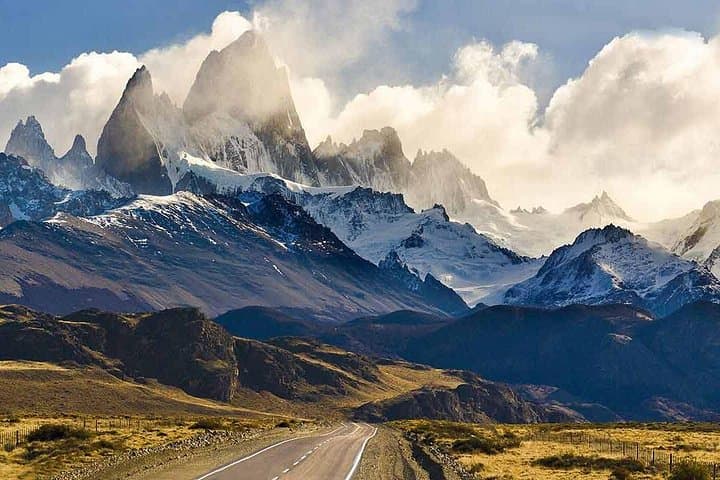


You step out of the minibus into a wind that already seems to know the day's plan: sharp, clean, and insistent. The road from El Calafate unfurls through the Patagonian steppe for nearly three hours, then the Andes rise like a wall you can walk toward. By the time the village of El Chaltén appears—low buildings, a scattering of trekkers—the guide hands out food packs and the trail begins.
You step out of the minibus into a wind that already seems to know the day's plan: sharp, clean, and insistent. The road from El Calafate unfurls through the Patagonian steppe for nearly three hours, then the Andes rise like a wall you can walk toward. By the time the village of El Chaltén appears—low buildings, a scattering of trekkers—the guide hands out food packs and the trail begins.
The route threads old lenga forest, crosses the White River, and skirts Camp Poincenot before the final lung-burner: roughly 430 meters of elevation gain across about 3 kilometers to reach the moraine that looks down into Laguna de los Tres. From that ridge, the Fitz Roy massif looms—granite faces that seem to push the sky away—and the glacier-fed lagoon sits like a glass basin at its feet. It is the kind of view that stops conversation and makes a lunch bag taste like an event.
This day trip ties geology and local history together. The peaks—called Chaltén by the Tehuelche people, meaning "smoking mountain"—were christened Fitz Roy by European explorers but have long belonged to the region's Indigenous and estancias culture. The glaciers here carve the valleys; moraines and outwash plain the paths you follow. Guides in El Chaltén are frequently AAGM-certified and bilingual; the outfitter provides trekking poles and, if conditions demand, six-point crampons.
Expect a demanding day: the operator lists the activity as medium to high physical demand, with an age guideline of 10–55 (exceptions considered for very fit hikers). Logistics are straightforward but firm—pickup in Calafate at 06:00, a return to town late evening, passport data required at booking, and the transfer covers the round-trip. The trail itself is well-trod but steep in sections and exposed to fast-changing weather.
Plan like a local: layer for wind and sun, carry 2–3 liters of water, and choose sturdy boots with a grippy sole. Timing matters—start early to avoid afternoon winds and to give yourself time at the lagoon. If you prefer a gentler day, guides split slow or short-route groups toward Laguna Capri and back. Bring your camera, but also bring patience to simply stand and let the mountain assess you. This is a trek that demands fitness, rewards focus, and leaves you with one of Patagonia's clearest perspectives on why people keep coming back.