THE ADVENTURE COLLECTIVE® · Independent discovery and booking for outdoor travel

Spend a day trekking Chiang Rai’s forested ridgelines, learning bamboo cooking, and visiting Lisu, Akha and Lahu villages. Expect steady walking, hands‑on cultural experiences and a hot‑spring or waterfall dip.
Spend a day trekking Chiang Rai’s forested ridgelines, learning bamboo cooking, and visiting Lisu, Akha and Lahu villages. Expect steady walking, hands‑on cultural experiences and a hot‑spring or waterfall dip.
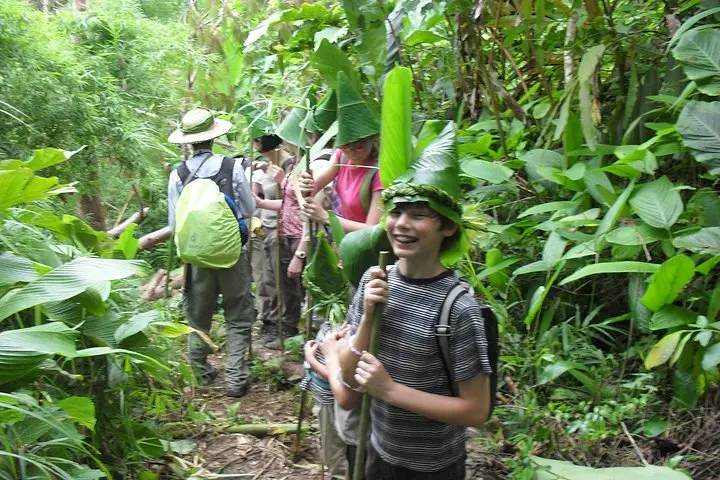
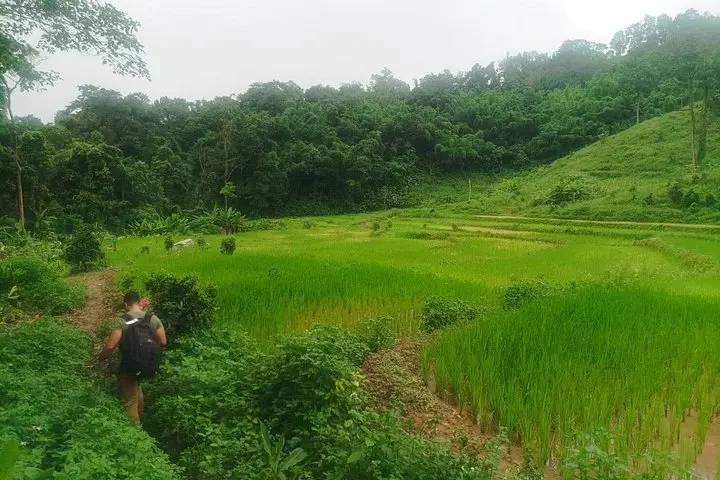
Morning light filters through lowland pines as a minivan winds away from Chiang Rai city and into a patchwork of tea terraces and forested ridgelines. The trail begins where road gives up its claim: a narrow dirt track that climbs toward Boomboo forest. Forest and hill tribe villages guide the route—Lisu, Akha and Lahu settlements punctuate the walk, each with carved wooden houses and fields of ginger and corn.
Verified experiences and guided adventures in the surrounding area.
Operated by manachiangrai tour · Chiang Rai, Chiang Rai Province
Morning light filters through lowland pines as a minivan winds away from Chiang Rai city and into a patchwork of tea terraces and forested ridgelines. The trail begins where road gives up its claim: a narrow dirt track that climbs toward Boomboo forest. Forest and hill tribe villages guide the route—Lisu, Akha and Lahu settlements punctuate the walk, each with carved wooden houses and fields of ginger and corn.
The north Thai highlands are geologically young—folded limestone and alluvial terraces rise into rounded hills. These slopes supported shifting kingdoms and trade routes; today small hill‑tribe communities keep distinct languages, handicrafts and agricultural practices. Bamboo here is both tool and fuel: used to make cups, chopsticks and the conical vessels for steaming rice and fish.
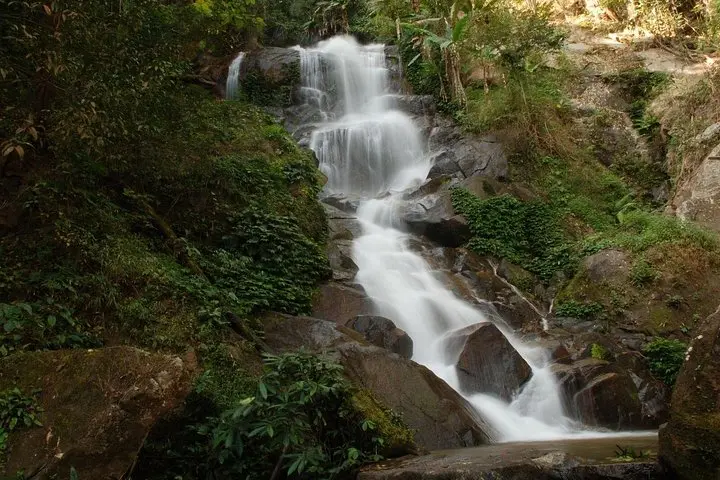
On this full‑day outing, expect 8–10 hours of movement mixed with long cultural stops: a morning hike to viewpoints, a hands‑on bamboo‑cooking session over coals, a chance to explore tea plots and a cool dip at a waterfall or local hot spring. The guide teaches basic bamboo cooking techniques and local etiquette for village visits.
Practical notes: hike sturdy but forgiving terrain—dirt tracks, rocky steps and short steeper pitches—so footwear with good grip matters. Carry sun protection and a refillable water bottle; plan for insect activity near streams. Start early to avoid midday heat and bring cash for small village purchases. This tour blends steady walking, cultural exchange and simple outdoor skills: a compact, immersive day in Chiang Rai’s living highlands.
Moderate fitness is recommended: the day includes several hours of walking with short uphill sections, but no technical climbing.
Lunch prepared with bamboo cooking is included; bring snacks if you have specific dietary needs and notify the guide in advance.
Private group transportation from Chiang Rai hotels is included in the tour price—confirm your pickup point when booking.
Children can join but check age and mobility: the operator advises this trip is suitable for most ages but not recommended for those with spinal or serious heart conditions.
manachiangrai tour operates guided outdoor trips and adventures with an emphasis on safety, stewardship, and memorable experiences.

Morning light filters through lowland pines as a minivan winds away from Chiang Rai city and into a patchwork of tea terraces and forested ridgelines. The trail begins where road gives up its claim: a narrow dirt track that climbs toward Boomboo forest. Forest and hill tribe villages guide the route—Lisu, Akha and Lahu settlements punctuate the walk, each with carved wooden houses and fields of ginger and corn.
Morning light filters through lowland pines as a minivan winds away from Chiang Rai city and into a patchwork of tea terraces and forested ridgelines. The trail begins where road gives up its claim: a narrow dirt track that climbs toward Boomboo forest. Forest and hill tribe villages guide the route—Lisu, Akha and Lahu settlements punctuate the walk, each with carved wooden houses and fields of ginger and corn.
The north Thai highlands are geologically young—folded limestone and alluvial terraces rise into rounded hills. These slopes supported shifting kingdoms and trade routes; today small hill‑tribe communities keep distinct languages, handicrafts and agricultural practices. Bamboo here is both tool and fuel: used to make cups, chopsticks and the conical vessels for steaming rice and fish.
On this full‑day outing, expect 8–10 hours of movement mixed with long cultural stops: a morning hike to viewpoints, a hands‑on bamboo‑cooking session over coals, a chance to explore tea plots and a cool dip at a waterfall or local hot spring. The guide teaches basic bamboo cooking techniques and local etiquette for village visits.
Practical notes: hike sturdy but forgiving terrain—dirt tracks, rocky steps and short steeper pitches—so footwear with good grip matters. Carry sun protection and a refillable water bottle; plan for insect activity near streams. Start early to avoid midday heat and bring cash for small village purchases. This tour blends steady walking, cultural exchange and simple outdoor skills: a compact, immersive day in Chiang Rai’s living highlands.