THE ADVENTURE COLLECTIVE® · Independent discovery and booking for outdoor travel

Cross the High Atlas on a full-day route from Marrakech to the UNESCO-listed Ait Ben Haddou. Expect Tizi n’Tichka’s wind-scoured pass, adobe kasbahs in Ounila Valley, and a guided walk through a cinematic fortified village.
Cross the High Atlas on a full-day route from Marrakech to the UNESCO-listed Ait Ben Haddou. Expect Tizi n’Tichka’s wind-scoured pass, adobe kasbahs in Ounila Valley, and a guided walk through a cinematic fortified village.
A highway climbs out of Marrakech and the high Atlas unfurls like a living map: switchbacks heave the road through rock and wind, the air sharpening with each rise until the Tizi n’Tichka pass opens views that dare you to look back at the city.
Verified experiences and guided adventures in the surrounding area.
Operated by Funny Excursions · Ait Ben Haddou, Drâa-Tafilalet
A highway climbs out of Marrakech and the high Atlas unfurls like a living map: switchbacks heave the road through rock and wind, the air sharpening with each rise until the Tizi n’Tichka pass opens views that dare you to look back at the city.
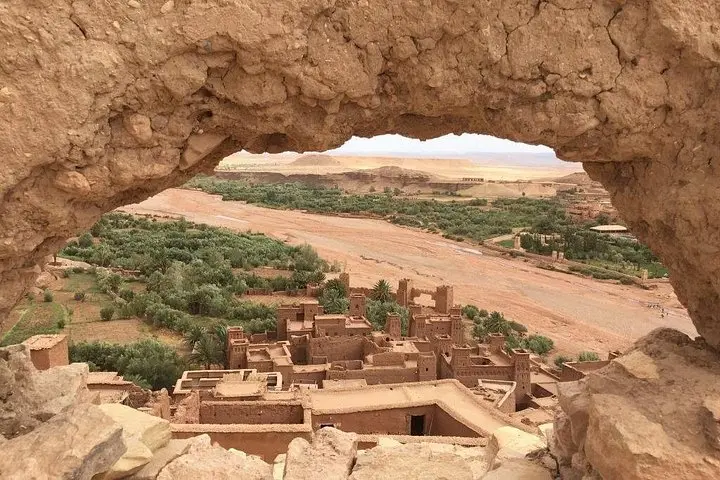
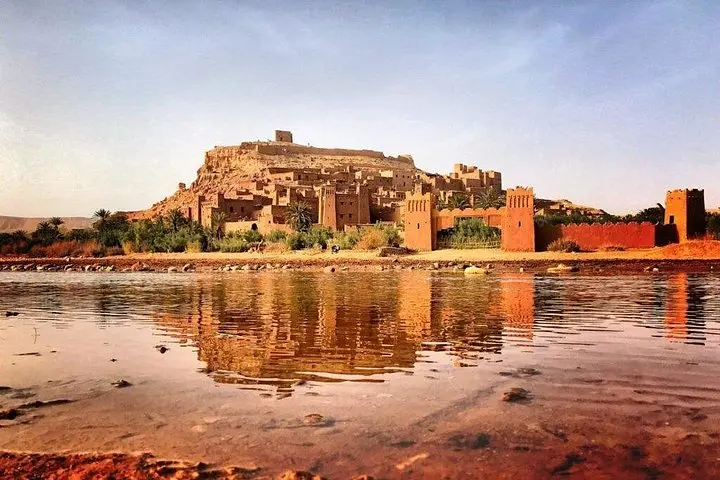
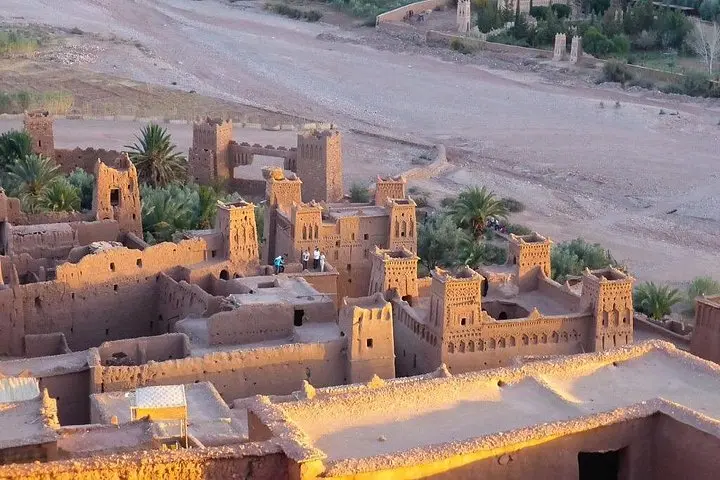
This full-day tour moves from that alpine edge into older terrain — the fortress-village of Ait Ben Haddou sits on a rocky spur above the wadi, its earthen towers catching late light. The route threads Telouet’s crumbling Glaoui kasbahs and adobe villages folded into the Ounila Valley, where irrigation channels and date palms mark the line between desert and mountain.
Historically, these kasbahs controlled caravan trade between sub-Saharan Africa and Marrakech; film crews later found the villagers’ skyline cinematic. Geologically, you’ll watch Precambrian schists and sandstone give way to alluvial valley floors, and the road’s exposed hairpins reveal how erosion and tectonics sculpted the High Atlas.
Practical notes: departures usually begin after breakfast with hotel pickup in Marrakech; expect a long day (roughly 10–12 hours) and several short walks on uneven, dusty surfaces. Bring sturdy shoes, sun protection, a refillable water bottle and a layer for the pass — temperatures drop quickly above 2,000 m. Photography waits for golden-hour light on the kasbah; plan lunch near Ait Ben Haddou to sample local tagines.
This trip is equal parts landscape and history — a day of high roads, adobe architecture, and valley views that reward steady travel rather than speed.
The round-trip itinerary typically takes 10–12 hours including stops; the drive each way is roughly 3–4 hours depending on traffic and stops.
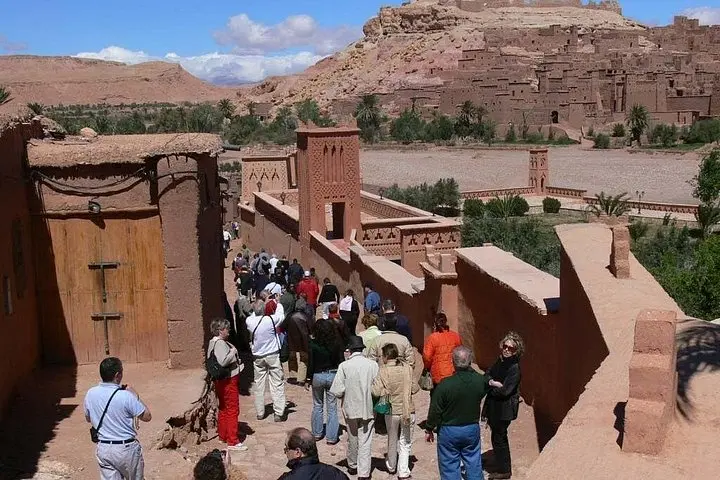
No — the tour is suitable for most travelers; expect short guided walks on dusty, uneven surfaces and some stair climbing in the kasbah.
Most itineraries include a traditional lunch near Ait Ben Haddou, but check your booking details; snacks and extra drinks are often extra.
Yes — tours commonly offer hotel or riad pickup from Marrakech and private tour options for custom timing.
Funny Excursions operates guided outdoor trips and adventures with an emphasis on safety, stewardship, and memorable experiences.
A highway climbs out of Marrakech and the high Atlas unfurls like a living map: switchbacks heave the road through rock and wind, the air sharpening with each rise until the Tizi n’Tichka pass opens views that dare you to look back at the city.
A highway climbs out of Marrakech and the high Atlas unfurls like a living map: switchbacks heave the road through rock and wind, the air sharpening with each rise until the Tizi n’Tichka pass opens views that dare you to look back at the city.
This full-day tour moves from that alpine edge into older terrain — the fortress-village of Ait Ben Haddou sits on a rocky spur above the wadi, its earthen towers catching late light. The route threads Telouet’s crumbling Glaoui kasbahs and adobe villages folded into the Ounila Valley, where irrigation channels and date palms mark the line between desert and mountain.
Historically, these kasbahs controlled caravan trade between sub-Saharan Africa and Marrakech; film crews later found the villagers’ skyline cinematic. Geologically, you’ll watch Precambrian schists and sandstone give way to alluvial valley floors, and the road’s exposed hairpins reveal how erosion and tectonics sculpted the High Atlas.
Practical notes: departures usually begin after breakfast with hotel pickup in Marrakech; expect a long day (roughly 10–12 hours) and several short walks on uneven, dusty surfaces. Bring sturdy shoes, sun protection, a refillable water bottle and a layer for the pass — temperatures drop quickly above 2,000 m. Photography waits for golden-hour light on the kasbah; plan lunch near Ait Ben Haddou to sample local tagines.
This trip is equal parts landscape and history — a day of high roads, adobe architecture, and valley views that reward steady travel rather than speed.