THE ADVENTURE COLLECTIVE® · Independent discovery and booking for outdoor travel

Spend a day moving from restored Moche temples to the sprawling mud walls of Chan Chan and the reed boats of Huanchaco. This guided tour delivers archaeology, colonial architecture and coastal culture in one accessible outing.
Spend a day moving from restored Moche temples to the sprawling mud walls of Chan Chan and the reed boats of Huanchaco. This guided tour delivers archaeology, colonial architecture and coastal culture in one accessible outing.
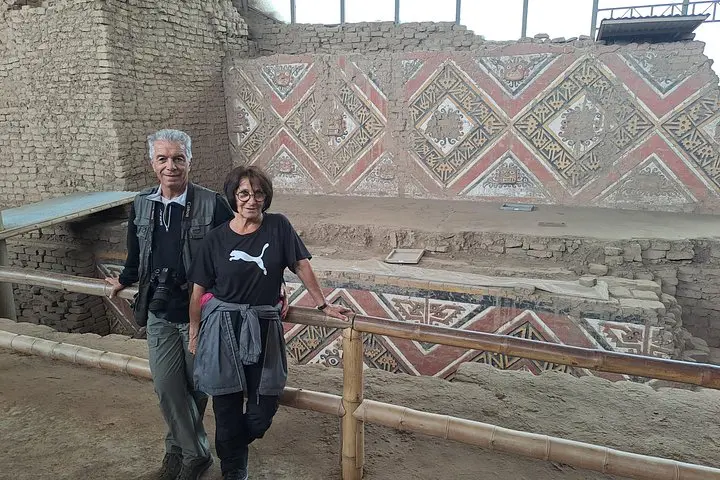
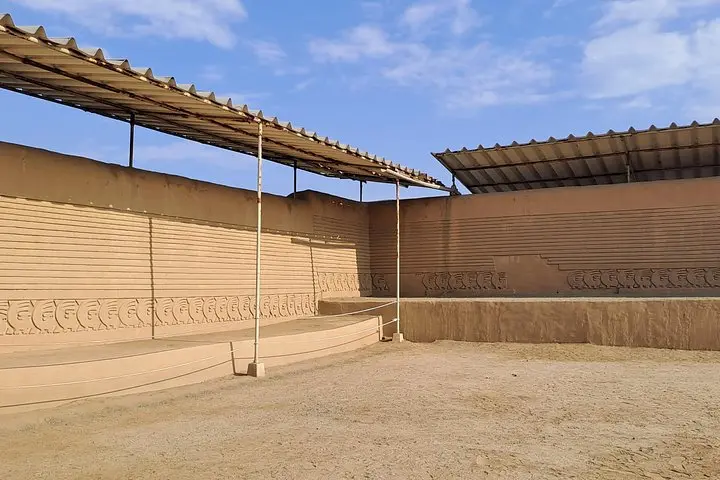
Morning light slices across the arid coast as the minivan rolls out from Trujillo, the Pacific wind at your back and adobe giants ahead. The day moves from ochre adobe platforms to the sea: Huaca de la Luna’s restored friezes whisper Moche ritual, Chan Chan’s low walls stretch like an adobe city plan etched by the Chimú, then Huanchaco’s reed boats bob where fishermen have launched them for millennia.
Verified experiences and guided adventures in the surrounding area.
Operated by Viajes In Perú · Trujillo, La Libertad
Morning light slices across the arid coast as the minivan rolls out from Trujillo, the Pacific wind at your back and adobe giants ahead. The day moves from ochre adobe platforms to the sea: Huaca de la Luna’s restored friezes whisper Moche ritual, Chan Chan’s low walls stretch like an adobe city plan etched by the Chimú, then Huanchaco’s reed boats bob where fishermen have launched them for millennia.
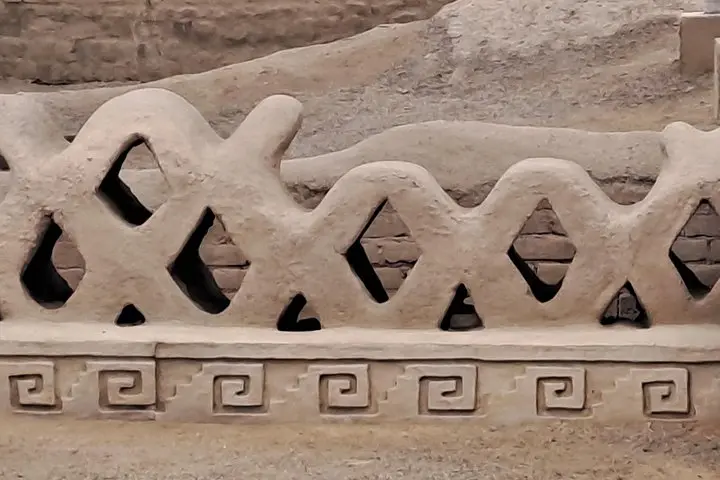
These sites map centuries of pre-Columbian engineering and coastal adaptation. Huaca de la Luna (Moche, c.100–800 AD) preserves painted reliefs and ceremonial courtyards; Chan Chan (Chimú, c.1000–1470 AD), a UNESCO World Heritage site, reveals administrative plazas and marine iconography carved into mud. Trujillo’s Plaza de Armas reflects Spanish colonial urbanism layered over older social centers, while Huanchaco still practices totora-boat fishing, a living link to maritime tradition.
Geologically this is a coastal desert where uplifted terraces, wind-blown sands and a cold Humboldt Current shape a dry, sun-baked landscape. Culturally expect guided interpretation of iconography, explanations of irrigation and saltworking, and encounters with active fishing communities.
Practical guidance: tours run roughly 6–7 hours, include admission and bottled water, and use air-conditioned vehicles. Wear sturdy walking shoes for uneven adobe steps, sun protection for exposed sites, and bring cash for small purchases in Huanchaco. Photography is allowed at most stops but follow signage at restorations. The pace is gentle—suitable for most travelers—but expect short walks and some steps at archaeological platforms.
The itinerary runs about 6 to 7 hours, including transportation, guided visits, and time for a short stop in Huanchaco.
Yes — entrance fees to Huaca de la Luna and Chan Chan are included in the tour price.
Generally yes; the tour is rated easy, but some sites have steps and uneven ground—wheelchair access at Huaca de la Luna is limited to certain areas.
Most operators offer pickup from Trujillo-area hotels; confirm your pickup point and time when booking.
Viajes In Perú operates guided outdoor trips and adventures with an emphasis on safety, stewardship, and memorable experiences.
Morning light slices across the arid coast as the minivan rolls out from Trujillo, the Pacific wind at your back and adobe giants ahead. The day moves from ochre adobe platforms to the sea: Huaca de la Luna’s restored friezes whisper Moche ritual, Chan Chan’s low walls stretch like an adobe city plan etched by the Chimú, then Huanchaco’s reed boats bob where fishermen have launched them for millennia.
Morning light slices across the arid coast as the minivan rolls out from Trujillo, the Pacific wind at your back and adobe giants ahead. The day moves from ochre adobe platforms to the sea: Huaca de la Luna’s restored friezes whisper Moche ritual, Chan Chan’s low walls stretch like an adobe city plan etched by the Chimú, then Huanchaco’s reed boats bob where fishermen have launched them for millennia.
These sites map centuries of pre-Columbian engineering and coastal adaptation. Huaca de la Luna (Moche, c.100–800 AD) preserves painted reliefs and ceremonial courtyards; Chan Chan (Chimú, c.1000–1470 AD), a UNESCO World Heritage site, reveals administrative plazas and marine iconography carved into mud. Trujillo’s Plaza de Armas reflects Spanish colonial urbanism layered over older social centers, while Huanchaco still practices totora-boat fishing, a living link to maritime tradition.
Geologically this is a coastal desert where uplifted terraces, wind-blown sands and a cold Humboldt Current shape a dry, sun-baked landscape. Culturally expect guided interpretation of iconography, explanations of irrigation and saltworking, and encounters with active fishing communities.
Practical guidance: tours run roughly 6–7 hours, include admission and bottled water, and use air-conditioned vehicles. Wear sturdy walking shoes for uneven adobe steps, sun protection for exposed sites, and bring cash for small purchases in Huanchaco. Photography is allowed at most stops but follow signage at restorations. The pace is gentle—suitable for most travelers—but expect short walks and some steps at archaeological platforms.