THE ADVENTURE COLLECTIVE® · Independent discovery and booking for outdoor travel

Spend a day where Mayan stone meets turquoise sea: climb cliff-top temples at Tulum, swim crystalline caverns at Gran Cenote, and snorkel the brackish calm of Yal Ku Lagoon. This full‑day tour pairs history, geology, and coastal snorkeling with authentic local flavors.
Spend a day where Mayan stone meets turquoise sea: climb cliff-top temples at Tulum, swim crystalline caverns at Gran Cenote, and snorkel the brackish calm of Yal Ku Lagoon. This full‑day tour pairs history, geology, and coastal snorkeling with authentic local flavors.
You step off the air-conditioned van into a morning that tastes of salt and fresh-made tortillas. The Caribbean is a band of turquoise beyond the low stone wall, and above it the Tulum ruins sit like an old harbor master watching the sea. The guide points to El Castillo; gulls wheel and the wind seems to nudge you toward the cliff-edge view. It’s a brisk start to a full day that moves from archaeology to jungle springs to a lagoon where freshwater and sea trade secrets.
Verified experiences and guided adventures in the surrounding area.
Operated by AB Transfers MX · Tulum, Quintana Roo
You step off the air-conditioned van into a morning that tastes of salt and fresh-made tortillas. The Caribbean is a band of turquoise beyond the low stone wall, and above it the Tulum ruins sit like an old harbor master watching the sea. The guide points to El Castillo; gulls wheel and the wind seems to nudge you toward the cliff-edge view. It’s a brisk start to a full day that moves from archaeology to jungle springs to a lagoon where freshwater and sea trade secrets.
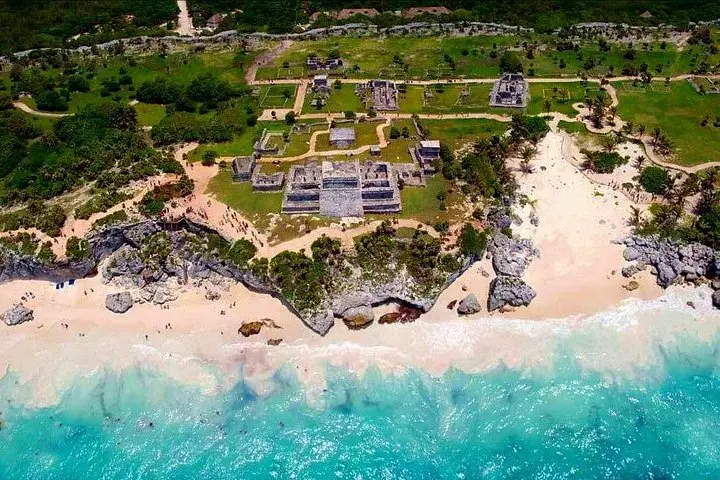
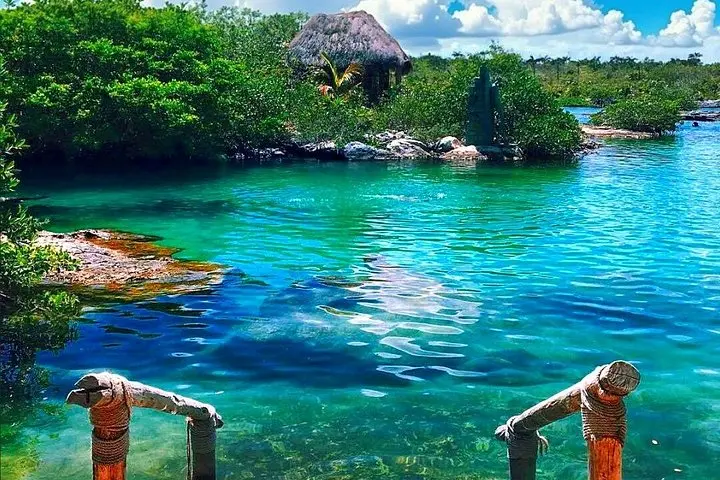
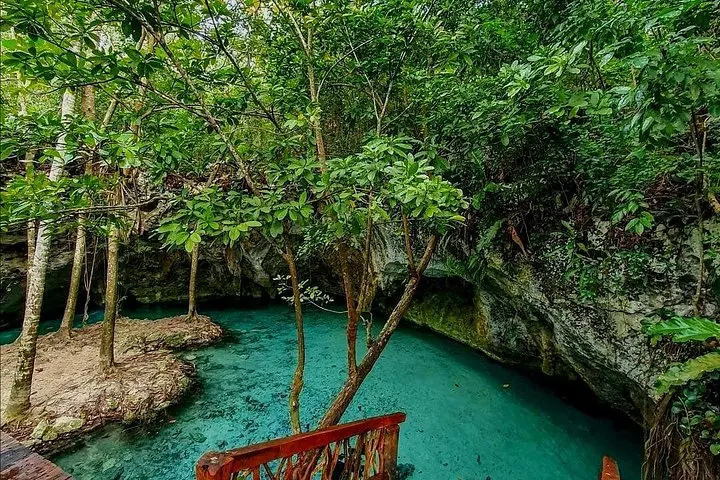
Tulum was once a guarded port of the late Postclassic Maya. The limestone structures you walk between are not isolated monuments but part of a living trade network: sailors used the cliff-top temples as landmarks while merchants moved goods across cenotes and coastal lagoons. Geologically, the Yucatán is a flat karst plain—limestone underfoot gives way to sinkholes. The Gran Cenote is one of those collapses, its cavern carved over millennia into a blue cavity fed by an underground river. Yal Ku Lagoon, further south near Akumal, is where a freshwater spring meets the reef-washed sea, creating a slow, glassy world of mixed salinity and curious fish.
Between bites of ceviche at El Camello Jr. and a paper napkin of Taquería Honorio’s chilaquiles, you’ll get local rhythm: vendors who know frequent tour schedules, guides fluent in Mayan history and marine ecology, and restauranteurs who have fed fishermen and archaeologists alike. The day’s pace is deliberate—about two hours at Tulum’s archaeological zone to let sunlight and shadow reveal carved doorways, two hours at Gran Cenote to float among stalactites and turtles, an hour for lunch, and another two hours drifting through Yal Ku’s calm water.
Practicalities matter. The route is mostly flat but expect sand, limestone steps at the ruins, and slippery rock near cenote edges. Bring reef-safe sunscreen, quick-dry clothing, and water shoes for the cenote and lagoon. If you want fewer people at Tulum, arrive with the earliest wave; the light and the temperatures are better and the cliff views more private. Snorkelers should be comfortable in shallow open water—guides provide orientation but not extensive training.
This is a day for mixing curiosity with caution: observe marine life without touching, support the small eateries that source local fish, and carry cash for small purchases. The day ends with the sun dipping low and the currents in Yal Ku barely whispering—if the water could applaud, it would. Instead, you leave with clearer eyes for ancient stones and a lighter, cooler feeling from the caves below.
Admissions for Tulum ruins, Gran Cenote, and Yal Ku are included in this tour price as listed in the itinerary.
Basic snorkel gear is typically provided for Yal Ku; bring your own mask if you prefer a custom fit.
The tour is a full day (approximately 12 hours) with pickup from hotels and selected locations in the Playa/Tulum area—confirm your pickup point when booking.
Yes—children who are comfortable in water can join; infant seats and safety options are available, but close supervision is required during snorkeling and near cenote edges.
The tour involves uneven limestone steps and water entries; it’s not recommended for travelers with significant mobility limitations or spinal issues.
Lunch is a one-hour stop—El Camello Jr. is a recommended local seafood spot; inform the operator of dietary restrictions in advance.
AB Transfers MX operates guided outdoor trips and adventures with an emphasis on safety, stewardship, and memorable experiences.
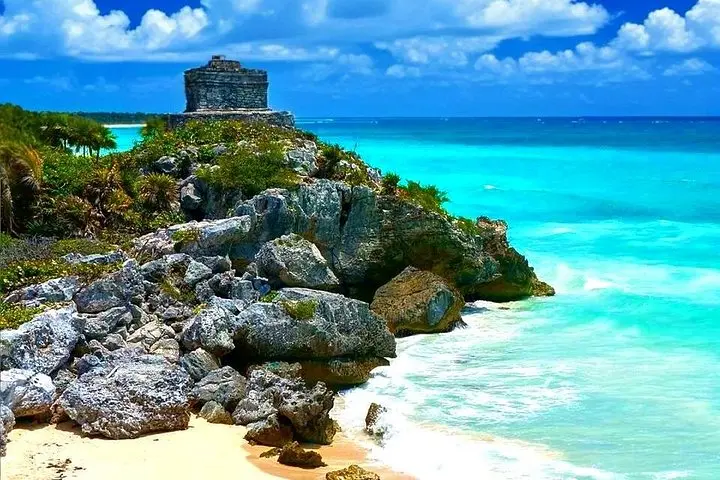
You step off the air-conditioned van into a morning that tastes of salt and fresh-made tortillas. The Caribbean is a band of turquoise beyond the low stone wall, and above it the Tulum ruins sit like an old harbor master watching the sea. The guide points to El Castillo; gulls wheel and the wind seems to nudge you toward the cliff-edge view. It’s a brisk start to a full day that moves from archaeology to jungle springs to a lagoon where freshwater and sea trade secrets.
You step off the air-conditioned van into a morning that tastes of salt and fresh-made tortillas. The Caribbean is a band of turquoise beyond the low stone wall, and above it the Tulum ruins sit like an old harbor master watching the sea. The guide points to El Castillo; gulls wheel and the wind seems to nudge you toward the cliff-edge view. It’s a brisk start to a full day that moves from archaeology to jungle springs to a lagoon where freshwater and sea trade secrets.
Tulum was once a guarded port of the late Postclassic Maya. The limestone structures you walk between are not isolated monuments but part of a living trade network: sailors used the cliff-top temples as landmarks while merchants moved goods across cenotes and coastal lagoons. Geologically, the Yucatán is a flat karst plain—limestone underfoot gives way to sinkholes. The Gran Cenote is one of those collapses, its cavern carved over millennia into a blue cavity fed by an underground river. Yal Ku Lagoon, further south near Akumal, is where a freshwater spring meets the reef-washed sea, creating a slow, glassy world of mixed salinity and curious fish.
Between bites of ceviche at El Camello Jr. and a paper napkin of Taquería Honorio’s chilaquiles, you’ll get local rhythm: vendors who know frequent tour schedules, guides fluent in Mayan history and marine ecology, and restauranteurs who have fed fishermen and archaeologists alike. The day’s pace is deliberate—about two hours at Tulum’s archaeological zone to let sunlight and shadow reveal carved doorways, two hours at Gran Cenote to float among stalactites and turtles, an hour for lunch, and another two hours drifting through Yal Ku’s calm water.
Practicalities matter. The route is mostly flat but expect sand, limestone steps at the ruins, and slippery rock near cenote edges. Bring reef-safe sunscreen, quick-dry clothing, and water shoes for the cenote and lagoon. If you want fewer people at Tulum, arrive with the earliest wave; the light and the temperatures are better and the cliff views more private. Snorkelers should be comfortable in shallow open water—guides provide orientation but not extensive training.
This is a day for mixing curiosity with caution: observe marine life without touching, support the small eateries that source local fish, and carry cash for small purchases. The day ends with the sun dipping low and the currents in Yal Ku barely whispering—if the water could applaud, it would. Instead, you leave with clearer eyes for ancient stones and a lighter, cooler feeling from the caves below.