THE ADVENTURE COLLECTIVE® · Independent discovery and booking for outdoor travel

Experience the Riviera Maya in one long, revealing loop: cliff-top Tulum, jungle-shrouded Cobá and Nohoch Mul, a sacred cenote swim, a Mayan village visit, and a stroll down Playa del Carmen’s 5th Avenue. This full-day tour blends archaeology, nature, and local culture into a single actionable itinerary.
Experience the Riviera Maya in one long, revealing loop: cliff-top Tulum, jungle-shrouded Cobá and Nohoch Mul, a sacred cenote swim, a Mayan village visit, and a stroll down Playa del Carmen’s 5th Avenue. This full-day tour blends archaeology, nature, and local culture into a single actionable itinerary.
You step off the coach into warm reef air, the Caribbean smell sharp and salty, and climb toward stone temples that stare out over turquoise water. The Tulum ruins open like a coastal amphitheater — white stucco platforms, wind-swept palms, and gulls circling above the cliffs — before the guide leads you inland where the jungle swallows the trail and history speaks through carved stone.
Verified experiences and guided adventures in the surrounding area.
Operated by Pata de peek travel · Tulum, Quintana Roo
You step off the coach into warm reef air, the Caribbean smell sharp and salty, and climb toward stone temples that stare out over turquoise water. The Tulum ruins open like a coastal amphitheater — white stucco platforms, wind-swept palms, and gulls circling above the cliffs — before the guide leads you inland where the jungle swallows the trail and history speaks through carved stone.
Tulum was a late-postclassic Mayan port oriented to trade and the sea; Cobá, older and deeper in the forest, connects to surrounding communities by sacbés — raised limestone roads that once threaded the peninsula. The geology shifts from coral-derived limestone cliffs to sinkhole-fed cenotes, where groundwater has carved chambers and crystal pools that the Maya regarded as sacred.
At a working Mayan village you’ll see traditional rituals, taste regional dishes, and watch artisans at work; in the cenote, sunlight through leaves paints the water, inviting a cool swim. The day finishes with an hour on Playa del Carmen’s 5th Avenue, a human-scale promenade of shops and cafés.
Practical edge: the tour is long (about 11–12 hours) and timed tightly — follow the guide’s schedule and bring a small dry pack for valuables. Wear good walking shoes for uneven limestone and bring biodegradable sunscreen and insect repellent to protect fragile cenote waters and local wildlife. If you plan to climb Nohoch Mul at Cobá, expect a steep stone ascent and spectacular jungle views. Hydrate well before and between stops; the heat and humidity can surprise even seasoned travelers.
Yes — many cenotes have shallow edges and steps; life jackets are often available but check with the operator beforehand.
Yes — Nohoch Mul is climbable and offers panoramic jungle views, but follow guide instructions and consider avoiding the climb if you have mobility issues.
""
No — the preservation tax (approximately $32 USD) is paid on-site at the archaeological entrance and is typically not included in the tour price.
Pata de peek travel operates guided outdoor trips and adventures with an emphasis on safety, stewardship, and memorable experiences.
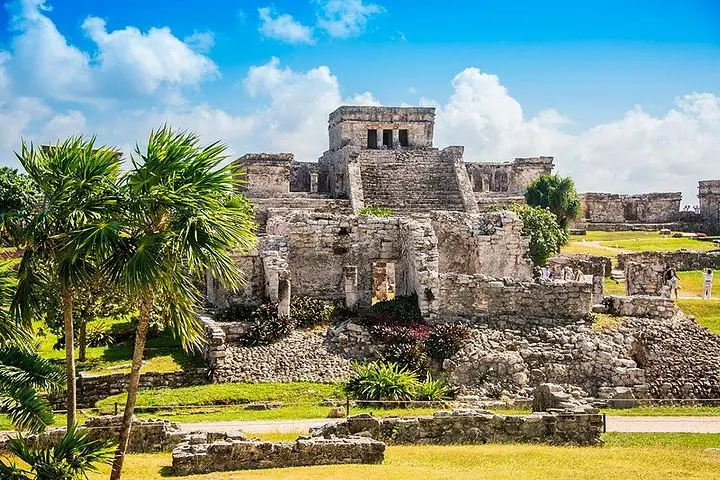
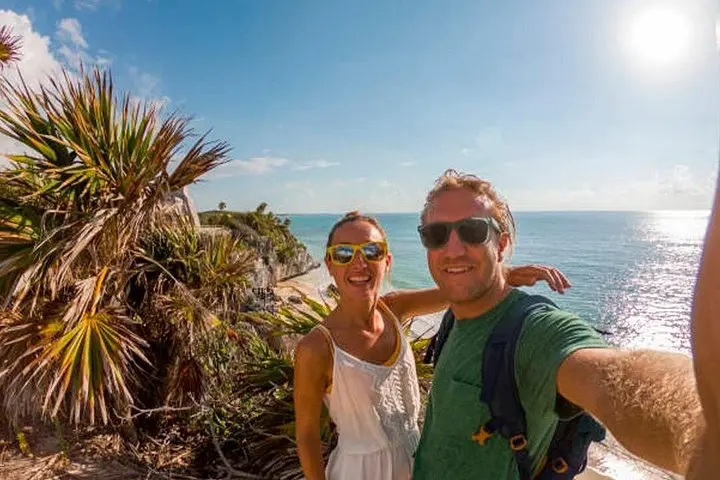
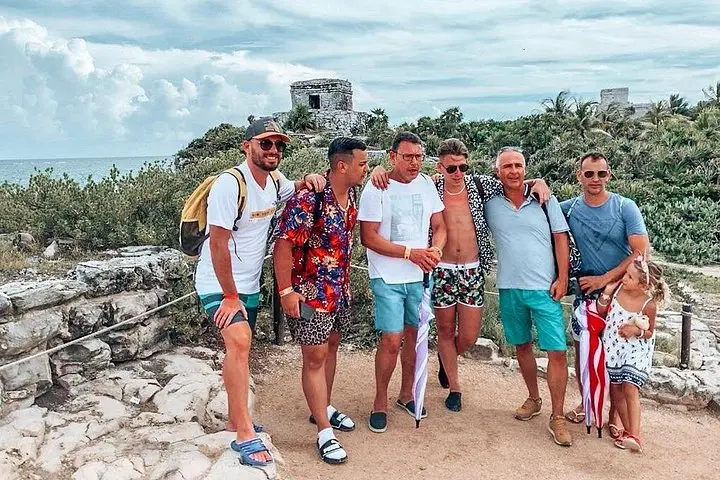
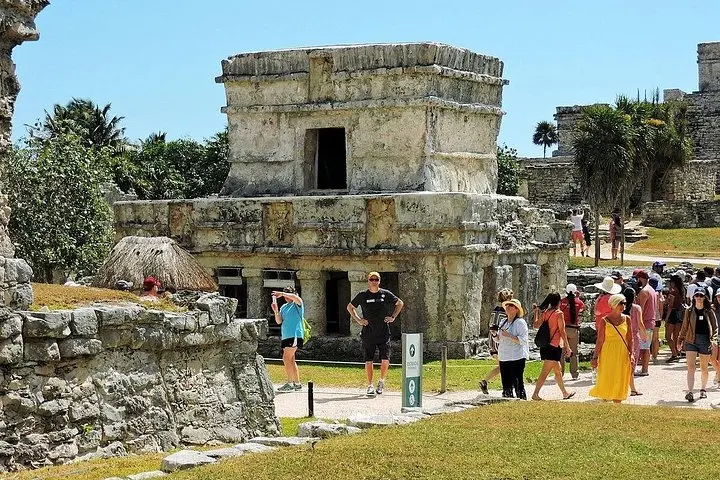
You step off the coach into warm reef air, the Caribbean smell sharp and salty, and climb toward stone temples that stare out over turquoise water. The Tulum ruins open like a coastal amphitheater — white stucco platforms, wind-swept palms, and gulls circling above the cliffs — before the guide leads you inland where the jungle swallows the trail and history speaks through carved stone.
You step off the coach into warm reef air, the Caribbean smell sharp and salty, and climb toward stone temples that stare out over turquoise water. The Tulum ruins open like a coastal amphitheater — white stucco platforms, wind-swept palms, and gulls circling above the cliffs — before the guide leads you inland where the jungle swallows the trail and history speaks through carved stone.
Tulum was a late-postclassic Mayan port oriented to trade and the sea; Cobá, older and deeper in the forest, connects to surrounding communities by sacbés — raised limestone roads that once threaded the peninsula. The geology shifts from coral-derived limestone cliffs to sinkhole-fed cenotes, where groundwater has carved chambers and crystal pools that the Maya regarded as sacred.
At a working Mayan village you’ll see traditional rituals, taste regional dishes, and watch artisans at work; in the cenote, sunlight through leaves paints the water, inviting a cool swim. The day finishes with an hour on Playa del Carmen’s 5th Avenue, a human-scale promenade of shops and cafés.
Practical edge: the tour is long (about 11–12 hours) and timed tightly — follow the guide’s schedule and bring a small dry pack for valuables. Wear good walking shoes for uneven limestone and bring biodegradable sunscreen and insect repellent to protect fragile cenote waters and local wildlife. If you plan to climb Nohoch Mul at Cobá, expect a steep stone ascent and spectacular jungle views. Hydrate well before and between stops; the heat and humidity can surprise even seasoned travelers.