THE ADVENTURE COLLECTIVE® · Independent discovery and booking for outdoor travel

Discover Millpu’s startling turquoise pools at 3,600 m in a full-day outing from Ayacucho. This guide covers what to expect—travel time, terrain, and timing to see the water at its best.
Discover Millpu’s startling turquoise pools at 3,600 m in a full-day outing from Ayacucho. This guide covers what to expect—travel time, terrain, and timing to see the water at its best.
A sharp highland wind shapes the light as you descend from the bus and the canyon opens—pools the color of polished glass sit in a chain, daring you to step closer. At roughly 3,600 meters above sea level, the Turquoise Waters of Millpu gleam against rust-red stone; the river that feeds them slips cool and insistent through narrow channels carved by millennia.
Verified experiences and guided adventures in the surrounding area.
Operated by Huancaraylla Tours Peru · Ayacucho, Ayacucho
A sharp highland wind shapes the light as you descend from the bus and the canyon opens—pools the color of polished glass sit in a chain, daring you to step closer. At roughly 3,600 meters above sea level, the Turquoise Waters of Millpu gleam against rust-red stone; the river that feeds them slips cool and insistent through narrow channels carved by millennia.
The pools lie between the town of Circamarca and the district of Huancaraylla in Víctor Fajardo Province, Ayacucho. The canyon’s geology—andesitic and volcanic rock weathered into plunge basins—plus dissolved minerals and clear mountain water give the pools their striking hue, most vivid in the dry season from May through November. The route crosses high puna grasslands and patches of Polylepis and native shrubs; you’ll pass small Quechua farming hamlets where potatoes and quinoa have been grown for generations.
Expect a day-long outing: a 3–4 hour drive and a 1–2 hour walk at altitude, plus time to swim and rest. The terrain is uneven rock and packed earth with short steep sections rather than technical climbs. Guides often include private transport and local orientation; swimming is popular when waters are warm enough. Practice altitude pacing—sips of water, steady steps—and give yourself extra time for photos and short cultural exchanges in the nearby villages.
Leave no trace: these high-Andean pools are ecologically sensitive. Pack out trash, avoid soaps in the water, and respect livestock and fields. Well-prepared travelers leave refreshed and with a sharper sense of Andean landscape and community rhythm.
The pools show their most vivid turquoise during the dry months, typically May through November, when water clarity is highest and algal growth is limited.
The access involves uneven rocky trails with some short steep sections but no technical climbing; a moderate fitness level and sure footing are required.
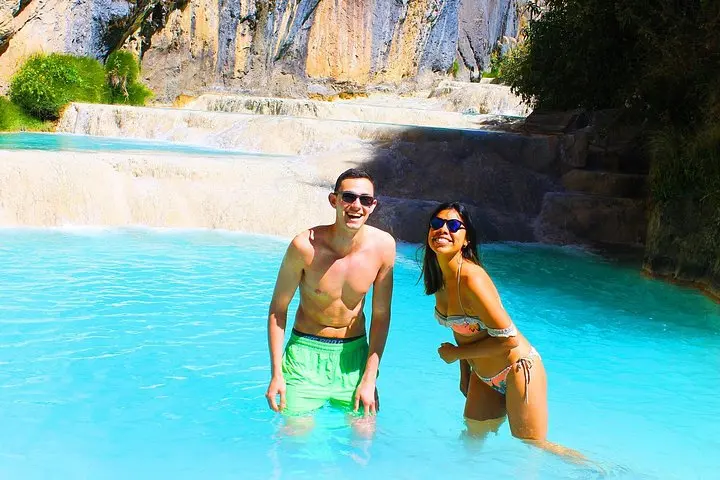
Yes—many visitors swim when water temperature and conditions permit; avoid soaps or lotions and check with your guide about safety and cleanliness.
Cell service is intermittent near the pools and facilities are minimal; plan for no reliable reception and bring snacks and sanitation supplies.
Huancaraylla Tours Peru operates guided outdoor trips and adventures with an emphasis on safety, stewardship, and memorable experiences.
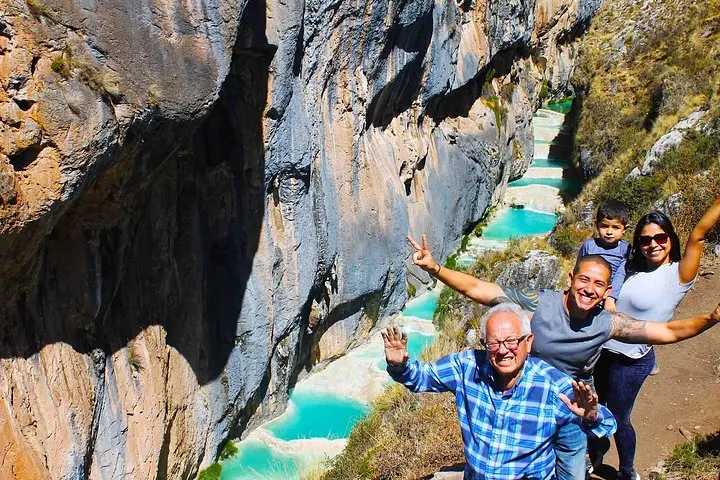
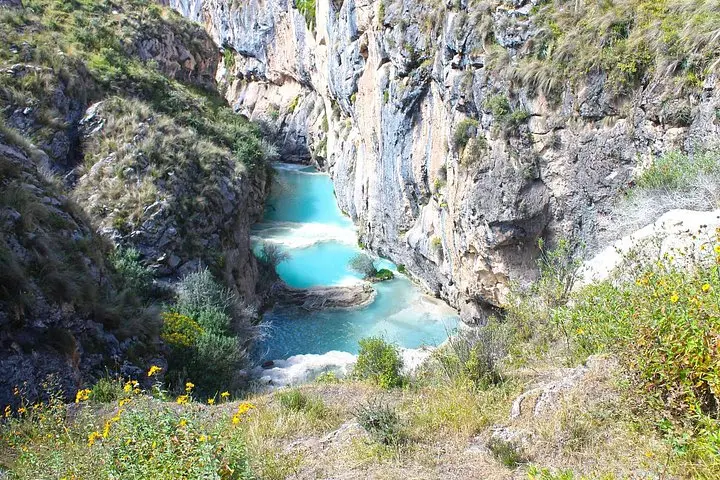
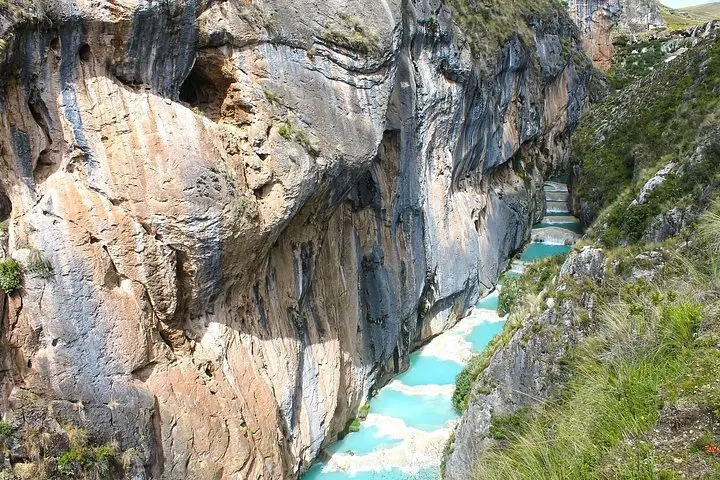
A sharp highland wind shapes the light as you descend from the bus and the canyon opens—pools the color of polished glass sit in a chain, daring you to step closer. At roughly 3,600 meters above sea level, the Turquoise Waters of Millpu gleam against rust-red stone; the river that feeds them slips cool and insistent through narrow channels carved by millennia.
A sharp highland wind shapes the light as you descend from the bus and the canyon opens—pools the color of polished glass sit in a chain, daring you to step closer. At roughly 3,600 meters above sea level, the Turquoise Waters of Millpu gleam against rust-red stone; the river that feeds them slips cool and insistent through narrow channels carved by millennia.
The pools lie between the town of Circamarca and the district of Huancaraylla in Víctor Fajardo Province, Ayacucho. The canyon’s geology—andesitic and volcanic rock weathered into plunge basins—plus dissolved minerals and clear mountain water give the pools their striking hue, most vivid in the dry season from May through November. The route crosses high puna grasslands and patches of Polylepis and native shrubs; you’ll pass small Quechua farming hamlets where potatoes and quinoa have been grown for generations.
Expect a day-long outing: a 3–4 hour drive and a 1–2 hour walk at altitude, plus time to swim and rest. The terrain is uneven rock and packed earth with short steep sections rather than technical climbs. Guides often include private transport and local orientation; swimming is popular when waters are warm enough. Practice altitude pacing—sips of water, steady steps—and give yourself extra time for photos and short cultural exchanges in the nearby villages.
Leave no trace: these high-Andean pools are ecologically sensitive. Pack out trash, avoid soaps in the water, and respect livestock and fields. Well-prepared travelers leave refreshed and with a sharper sense of Andean landscape and community rhythm.