THE ADVENTURE COLLECTIVE® · Independent discovery and booking for outdoor travel

Spend a full day exploring Ubud’s highlights with a private driver—temples, a waterfall, rice terraces and a coffee plantation. This practical guide explains what to expect, what to bring, and how to make the most of a 10–12 hour cultural and natural loop.
Spend a full day exploring Ubud’s highlights with a private driver—temples, a waterfall, rice terraces and a coffee plantation. This practical guide explains what to expect, what to bring, and how to make the most of a 10–12 hour cultural and natural loop.
A morning in central Bali often starts with the island’s familiar soundtrack: scooter engines, temple bells, and the steady chatter of vendors. This private full-day tour drops visitors into that soundscape, moving from a traditional Balinese family compound to the roar of Tegenungan Waterfall, then up into the terraces of Tegalalang and the aromatic humidity of a coffee plantation.
Verified experiences and guided adventures in the surrounding area.
Operated by Bali Magic Tour · Ubud, Bali
A morning in central Bali often starts with the island’s familiar soundtrack: scooter engines, temple bells, and the steady chatter of vendors. This private full-day tour drops visitors into that soundscape, moving from a traditional Balinese family compound to the roar of Tegenungan Waterfall, then up into the terraces of Tegalalang and the aromatic humidity of a coffee plantation.
The route threads through Ubud’s cultural core—an area shaped by centuries of Hindu practice and the Subak irrigation system, a cooperative rice-farming method recognized by UNESCO. Geologically, the landscape is volcanic; steep river valleys carved into rich volcanic soil create the waterfalls and verdant terraces that define the region.
Culturally the day pairs temple etiquette and local markets: Puseh Batuan Temple offers a compact glimpse of Balinese shrine architecture, while the Ubud Art Market and Palace window into craft traditions and performance. At a coffee plantation you’ll see the Luwak process and taste strong Balinese blends.
Practical guidance: expect 10–12 hours of mostly car transport with short walks at each stop—staircases at Tegenungan and narrow paths at Tegalalang. Bring comfortable shoes with grip, sun protection, and a refillable water bottle. If you want to swim at Tegenungan, notify your driver early so the schedule can flex.
Timing matters: start early to avoid mid-day traffic and the busiest photo crowds at the terraces. Respect temple rules (cover shoulders and hips), don’t feed monkeys, and carry small cash for entrance fees, lunch, and market purchases. The tour is low-impact but best enjoyed with patience and a readiness to move between stillness and spectacle.
Yes—pickup and drop-off in Denpasar or Nusa Dua areas are included; specify your pickup location when booking.
Yes—swimming is possible; the itinerary allows an extended stop if you request swimming in advance and time is adjusted accordingly.
The tour includes scheduled stop entrance fees; check with the operator for any optional activities that may incur extra charges.
The tour is family-friendly and rated easy, but it’s not recommended for travelers with serious spinal, heart, or pregnancy-related concerns due to stairs and uneven ground.
Bali Magic Tour operates guided outdoor trips and adventures with an emphasis on safety, stewardship, and memorable experiences.
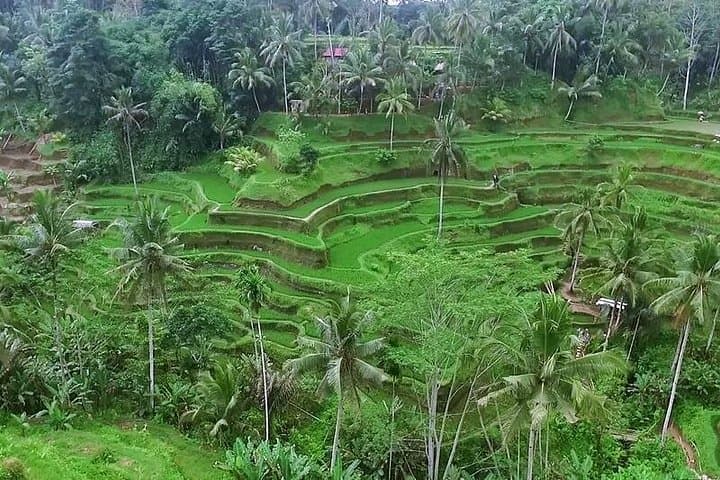
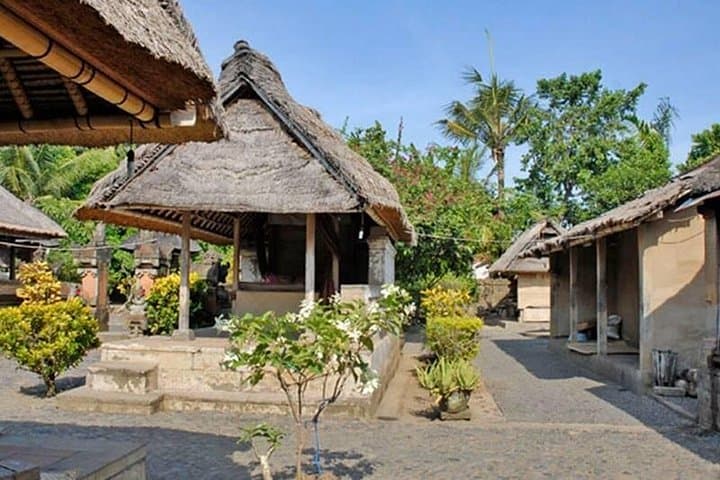


A morning in central Bali often starts with the island’s familiar soundtrack: scooter engines, temple bells, and the steady chatter of vendors. This private full-day tour drops visitors into that soundscape, moving from a traditional Balinese family compound to the roar of Tegenungan Waterfall, then up into the terraces of Tegalalang and the aromatic humidity of a coffee plantation.
A morning in central Bali often starts with the island’s familiar soundtrack: scooter engines, temple bells, and the steady chatter of vendors. This private full-day tour drops visitors into that soundscape, moving from a traditional Balinese family compound to the roar of Tegenungan Waterfall, then up into the terraces of Tegalalang and the aromatic humidity of a coffee plantation.
The route threads through Ubud’s cultural core—an area shaped by centuries of Hindu practice and the Subak irrigation system, a cooperative rice-farming method recognized by UNESCO. Geologically, the landscape is volcanic; steep river valleys carved into rich volcanic soil create the waterfalls and verdant terraces that define the region.
Culturally the day pairs temple etiquette and local markets: Puseh Batuan Temple offers a compact glimpse of Balinese shrine architecture, while the Ubud Art Market and Palace window into craft traditions and performance. At a coffee plantation you’ll see the Luwak process and taste strong Balinese blends.
Practical guidance: expect 10–12 hours of mostly car transport with short walks at each stop—staircases at Tegenungan and narrow paths at Tegalalang. Bring comfortable shoes with grip, sun protection, and a refillable water bottle. If you want to swim at Tegenungan, notify your driver early so the schedule can flex.
Timing matters: start early to avoid mid-day traffic and the busiest photo crowds at the terraces. Respect temple rules (cover shoulders and hips), don’t feed monkeys, and carry small cash for entrance fees, lunch, and market purchases. The tour is low-impact but best enjoyed with patience and a readiness to move between stillness and spectacle.