THE ADVENTURE COLLECTIVE® · Independent discovery and booking for outdoor travel

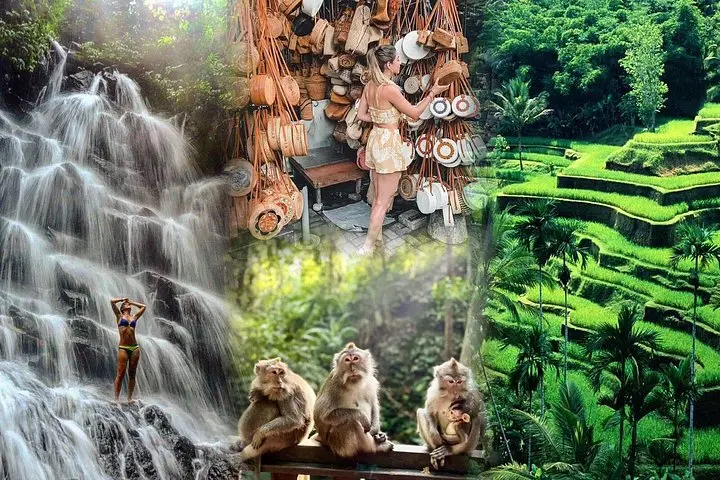
Spend a relaxed day in central Bali visiting Kanto Lampo Waterfall, the Sacred Monkey Forest, and the sculpted terraces of Tegallalang. This private, air-conditioned tour pairs light walks with cultural context—ideal for travelers who want big scenery and local insight in one day.
Spend a relaxed day in central Bali visiting Kanto Lampo Waterfall, the Sacred Monkey Forest, and the sculpted terraces of Tegallalang. This private, air-conditioned tour pairs light walks with cultural context—ideal for travelers who want big scenery and local insight in one day.
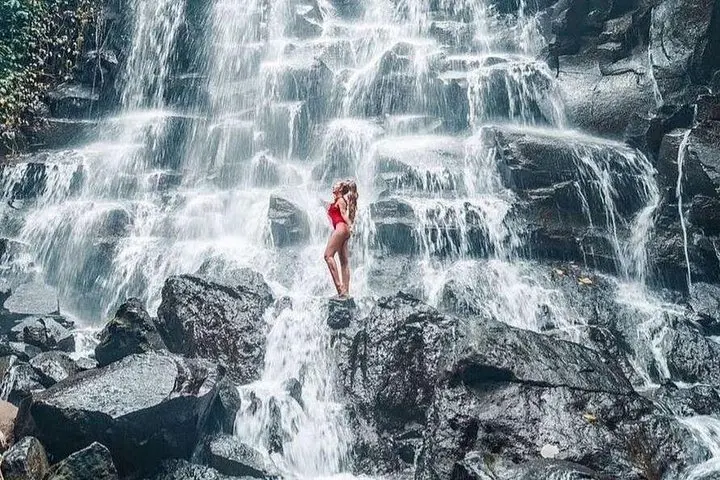
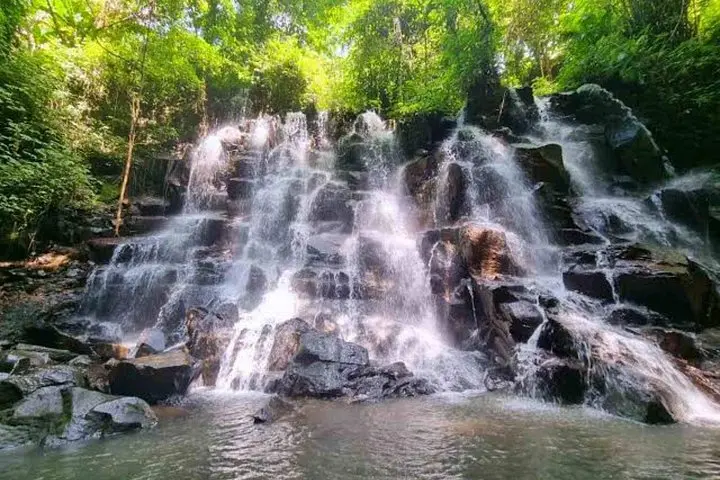
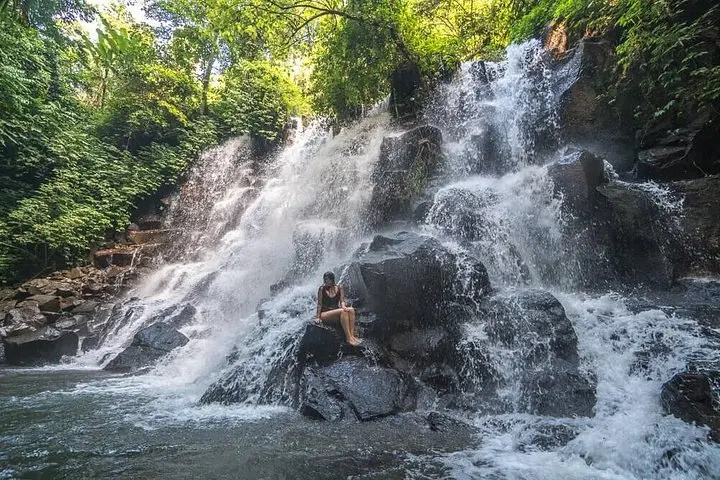
You arrive before the main rush, the rental car easing up a narrow lane that opens onto a green so wide it seems to inhale. The driver parks and the guide points down a path where water is already audible—first as a far-off rumble, then as a silver ribbon tumbling over black volcanic rock. At Kanto Lampo Waterfall the curtain falls in stepped sheets, each ledge catching light differently, inviting a cool, informal swim.
Verified experiences and guided adventures in the surrounding area.
Operated by Bersinar Bali Tour · Ubud, Bali
You arrive before the main rush, the rental car easing up a narrow lane that opens onto a green so wide it seems to inhale. The driver parks and the guide points down a path where water is already audible—first as a far-off rumble, then as a silver ribbon tumbling over black volcanic rock. At Kanto Lampo Waterfall the curtain falls in stepped sheets, each ledge catching light differently, inviting a cool, informal swim.
The rest of the day moves at Ubud’s comfortable tempo: a walk through the Sacred Monkey Forest, where long-tailed macaques thread through temple courtyards and banyan roots that look as old as the island’s myths; then a drive up the valley to Tegallalang, the terraces climbing the hillside in neat, irrigated bands that reflect a centuries-old Subak system of cooperative water management. The final stretch threads past small workshops and galleries—the living proof that Ubud’s identity is as much carved wood and painted canvas as it is rice and rainforest.
Geology and culture are braided here. Bali’s volcanic soils make for the vivid greens of the terraces and the hardened basalt steps at Kanto Lampo. The Subak system, a UNESCO-recognized cultural practice, shapes not just the landscape but local life; water rights and rituals still coordinate planting seasons. The Monkey Forest is both sanctuary and sacred site—temples sit amid dense foliage and the macaques are managed as part of a conservation effort that blends tourism revenue with habitat protection.
Practically: the private, air-conditioned tour runs roughly 7–8 hours and includes hotel pickup across southern Bali. Expect easy walking on partly uneven trails: steps, slick rocks near the falls, and narrow paths through rice paddies. Bring swimwear and a dry bag for a quick dip at Kanto Lampo, sturdy sandals or light hiking shoes for the terraces, and cash for small donations, snacks, and local crafts. Keep a respectful distance from monkeys—don’t feed them and secure loose items. Early starts mean softer light for photos and fewer visitors at each stop.
For travelers who want culture with low effort and high reward, this Ubud loop compresses Bali’s key textures—water, rice, temple, and market—into one accessible day. It’s a compact primer on why the central foothills remain the island’s cultural heart, and a practical, well-paced way to see it without planning every step yourself.
Yes—private, air-conditioned pickup is provided from most hotels in Kuta, Seminyak, Canggu, Sanur and Ubud; confirm your pickup point when booking.
Yes; Kanto Lampo permits swimming in calmer pools, though conditions can change—follow your guide’s advice and use caution on slippery rocks.
The tour is rated easy and wheelchair accessible for many areas, but the waterfall and terrace paths have steps and uneven ground—consider mobility needs before joining.
Indonesian rupiah (IDR) is standard; small bills are handy for donations, snacks, and purchasing crafts at local stalls.
Yes—admission to the listed sites and all fees and taxes are included in the tour price per the itinerary details.
Visitors can observe macaques at close range in the Monkey Forest, but feeding or teasing is discouraged—follow park rules to avoid bites or theft.
Bersinar Bali Tour operates guided outdoor trips and adventures with an emphasis on safety, stewardship, and memorable experiences.
You arrive before the main rush, the rental car easing up a narrow lane that opens onto a green so wide it seems to inhale. The driver parks and the guide points down a path where water is already audible—first as a far-off rumble, then as a silver ribbon tumbling over black volcanic rock. At Kanto Lampo Waterfall the curtain falls in stepped sheets, each ledge catching light differently, inviting a cool, informal swim.
You arrive before the main rush, the rental car easing up a narrow lane that opens onto a green so wide it seems to inhale. The driver parks and the guide points down a path where water is already audible—first as a far-off rumble, then as a silver ribbon tumbling over black volcanic rock. At Kanto Lampo Waterfall the curtain falls in stepped sheets, each ledge catching light differently, inviting a cool, informal swim.
The rest of the day moves at Ubud’s comfortable tempo: a walk through the Sacred Monkey Forest, where long-tailed macaques thread through temple courtyards and banyan roots that look as old as the island’s myths; then a drive up the valley to Tegallalang, the terraces climbing the hillside in neat, irrigated bands that reflect a centuries-old Subak system of cooperative water management. The final stretch threads past small workshops and galleries—the living proof that Ubud’s identity is as much carved wood and painted canvas as it is rice and rainforest.
Geology and culture are braided here. Bali’s volcanic soils make for the vivid greens of the terraces and the hardened basalt steps at Kanto Lampo. The Subak system, a UNESCO-recognized cultural practice, shapes not just the landscape but local life; water rights and rituals still coordinate planting seasons. The Monkey Forest is both sanctuary and sacred site—temples sit amid dense foliage and the macaques are managed as part of a conservation effort that blends tourism revenue with habitat protection.
Practically: the private, air-conditioned tour runs roughly 7–8 hours and includes hotel pickup across southern Bali. Expect easy walking on partly uneven trails: steps, slick rocks near the falls, and narrow paths through rice paddies. Bring swimwear and a dry bag for a quick dip at Kanto Lampo, sturdy sandals or light hiking shoes for the terraces, and cash for small donations, snacks, and local crafts. Keep a respectful distance from monkeys—don’t feed them and secure loose items. Early starts mean softer light for photos and fewer visitors at each stop.
For travelers who want culture with low effort and high reward, this Ubud loop compresses Bali’s key textures—water, rice, temple, and market—into one accessible day. It’s a compact primer on why the central foothills remain the island’s cultural heart, and a practical, well-paced way to see it without planning every step yourself.