THE ADVENTURE COLLECTIVE® · Independent discovery and booking for outdoor travel

Spend a full day exploring Ubud’s craft villages, temple cave, market and Tegenungan Waterfall. This guided tour strings together batik, silver and wood workshops with cultural sites and a refreshing waterfall visit—ideal for first-time visitors who want a concentrated taste of central Bali.
Spend a full day exploring Ubud’s craft villages, temple cave, market and Tegenungan Waterfall. This guided tour strings together batik, silver and wood workshops with cultural sites and a refreshing waterfall visit—ideal for first-time visitors who want a concentrated taste of central Bali.
You arrive in central Ubud with the smell of wet earth after a mountain shower and traffic thinning into rice-field views. The road slides between low stone walls, and your guide steers the minivan toward a sequence of villages where craft and ritual still shape daily life. In the space of a morning you move from Tohpati’s batik stalls to Celuk’s silver smithies, each workshop a small furnace of focused hands; Mas greets you with the carved faces of gods and farmers turned to wood.
Verified experiences and guided adventures in the surrounding area.
Operated by Star Bali Tour - Day Tours · Ubud, Bali
You arrive in central Ubud with the smell of wet earth after a mountain shower and traffic thinning into rice-field views. The road slides between low stone walls, and your guide steers the minivan toward a sequence of villages where craft and ritual still shape daily life. In the space of a morning you move from Tohpati’s batik stalls to Celuk’s silver smithies, each workshop a small furnace of focused hands; Mas greets you with the carved faces of gods and farmers turned to wood.
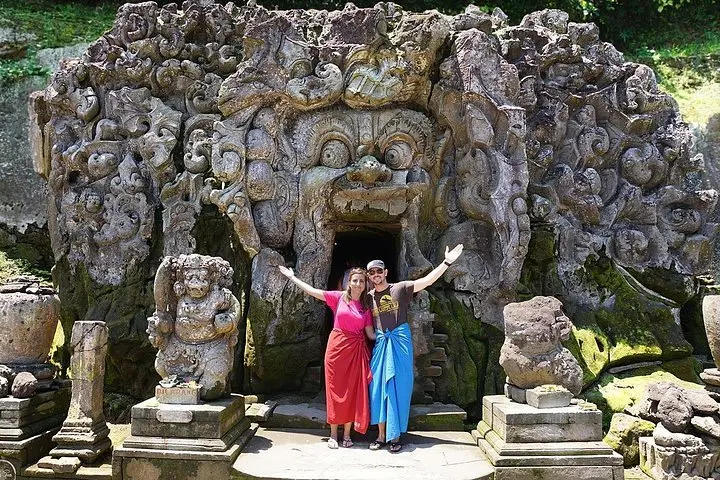
Ubud’s reputation as Bali’s cultural hub grew in the early 20th century with initiatives like the Pita Maha artists’ collective and the patronage of local royalty. Geologically the region sits on volcanic soils fed by Mount Agung’s eruptions, which explain the lush terraces and strong stone carving tradition. Goa Gajah’s carved cave and holy pool show layers of Hindu-Balinese ritual practice, while Tegenungan waterfall — a short hike from the road — reminds you how the island’s streams can sudden and loud.
Practical guidance: dress modestly for temple visits (sarong often required), carry small bills for markets, and expect steep steps at waterfall viewpoints. Wear sturdy shoes for uneven paths and a light rain layer in the wet season. The day is long but accessible — most stops have short walking loops and staffed entrances. Bring a refillable bottle (water provided on tours), early start avoids crowds, and leave room in your day to wander Ubud Market and Puri Saren before sunset when gamelan practice and incense frame the town.
No—the tour includes hotel pickup and drop-off and transport in an air-conditioned minivan.
Lunch and some admissions noted in the itinerary are included; bring cash for optional extras or souvenirs.
Yes—infants are allowed (infant seats on request) and the pace is family-friendly though there are stairs at several sites.
Tegenungan requires a steep short descent/ascent on cemented steps; the route is manageable but requires basic mobility.
Star Bali Tour - Day Tours operates guided outdoor trips and adventures with an emphasis on safety, stewardship, and memorable experiences.
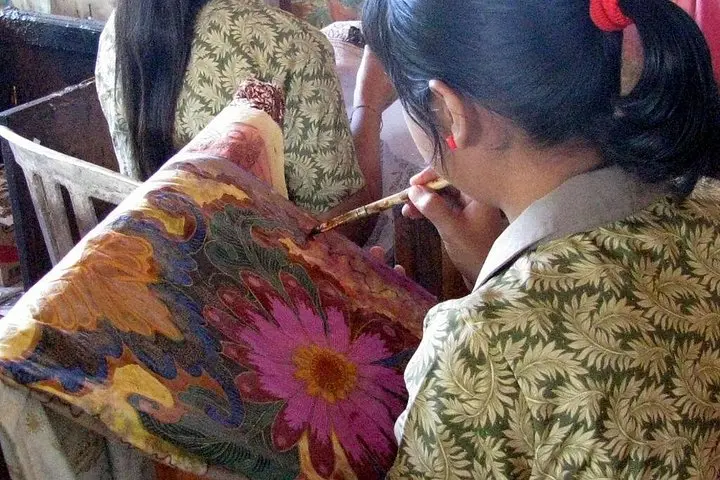
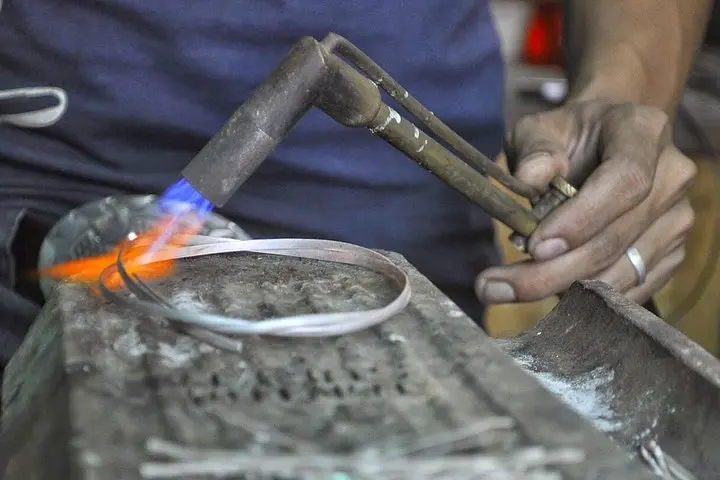

You arrive in central Ubud with the smell of wet earth after a mountain shower and traffic thinning into rice-field views. The road slides between low stone walls, and your guide steers the minivan toward a sequence of villages where craft and ritual still shape daily life. In the space of a morning you move from Tohpati’s batik stalls to Celuk’s silver smithies, each workshop a small furnace of focused hands; Mas greets you with the carved faces of gods and farmers turned to wood.
You arrive in central Ubud with the smell of wet earth after a mountain shower and traffic thinning into rice-field views. The road slides between low stone walls, and your guide steers the minivan toward a sequence of villages where craft and ritual still shape daily life. In the space of a morning you move from Tohpati’s batik stalls to Celuk’s silver smithies, each workshop a small furnace of focused hands; Mas greets you with the carved faces of gods and farmers turned to wood.
Ubud’s reputation as Bali’s cultural hub grew in the early 20th century with initiatives like the Pita Maha artists’ collective and the patronage of local royalty. Geologically the region sits on volcanic soils fed by Mount Agung’s eruptions, which explain the lush terraces and strong stone carving tradition. Goa Gajah’s carved cave and holy pool show layers of Hindu-Balinese ritual practice, while Tegenungan waterfall — a short hike from the road — reminds you how the island’s streams can sudden and loud.
Practical guidance: dress modestly for temple visits (sarong often required), carry small bills for markets, and expect steep steps at waterfall viewpoints. Wear sturdy shoes for uneven paths and a light rain layer in the wet season. The day is long but accessible — most stops have short walking loops and staffed entrances. Bring a refillable bottle (water provided on tours), early start avoids crowds, and leave room in your day to wander Ubud Market and Puri Saren before sunset when gamelan practice and incense frame the town.