THE ADVENTURE COLLECTIVE® · Independent discovery and booking for outdoor travel

Cross a vast white desert, explore train wrecks and salt villages, and watch the flats turn into a mirror at sunset. This full-day tour from Uyuni pairs geology and culture with hands-on saltcraft and unforgettable light.
Cross a vast white desert, explore train wrecks and salt villages, and watch the flats turn into a mirror at sunset. This full-day tour from Uyuni pairs geology and culture with hands-on saltcraft and unforgettable light.
You step onto a white surface so vast the horizon seems to fold: the salt underfoot cracks like thin ice and the sky pushes its blue all the way down. A 4WD trundles across a geometric plain, carrying a small group past rusted locomotives and into an expanse where light and scale play tricks. By late afternoon, the flats become a reflective stage; the sun drops and the desert answers with color.
Verified experiences and guided adventures in the surrounding area.
Operated by No Hay Vida Mejor · Uyuni, Potosí
You step onto a white surface so vast the horizon seems to fold: the salt underfoot cracks like thin ice and the sky pushes its blue all the way down. A 4WD trundles across a geometric plain, carrying a small group past rusted locomotives and into an expanse where light and scale play tricks. By late afternoon, the flats become a reflective stage; the sun drops and the desert answers with color.
Geology here is blunt and ancient. The Salar de Uyuni is the remnant of a series of prehistoric lakes; beneath the blinding crust lie salts and brines that concentrate lithium and other minerals. Human history sits at the perimeter: the Train Cemetery speaks to early 20th-century rail ambitions, while Colchani’s salt workshops preserve artisanal techniques that turn raw salt into handicrafts and blocks for the old salt hotels.
Culturally, the region blends Aymara and Quechua influences with miner and railway lore; vendors and guides keep traditions alive while adapting to tourism. Expect clear explanations about salt extraction, salt architecture, and the seasonal mirror effect that photographers covet.
Practical guidance: tours typically last about eight hours from Uyuni town, at roughly 3,656 m (11,995 ft) elevation — acclimatize beforehand. Bring sun protection and layered clothing; temperatures swing dramatically. If you aim for reflections, plan for the wet season (Dec–Apr); for the endless dry plains and easier driving, choose May–Nov. Facilities are basic outside Uyuni town, and some stops (like Incahuasi Island) can be skipped in high water. Hydrate, protect your electronics from salt spray, and carry small Bolivianos for local purchases — the landscape rewards early arrival and patient light.
The mirror appears during the wet season (roughly December–April) when a thin layer of water covers the salt flats; plan for calm weather and check local forecasts.
It’s low-impact: most travel is by 4WD with short walks on flat-but-uneven salt; higher altitude can make exertion feel harder, so go slowly and hydrate.
Facilities are basic outside Uyuni town; the tour includes a lunch stop, but bring snacks and cash for small purchases or tips.
Not always—Incahuasi is accessible in the dry season; during high water in the wet season tours often skip it and focus on reflective zones instead.
No Hay Vida Mejor operates guided outdoor trips and adventures with an emphasis on safety, stewardship, and memorable experiences.
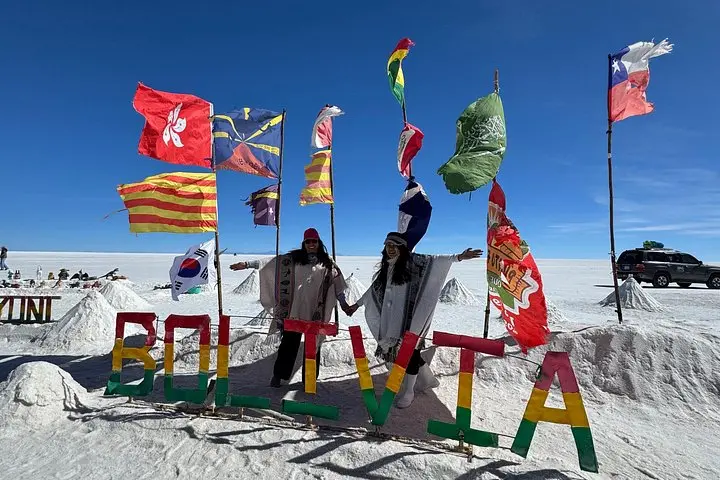
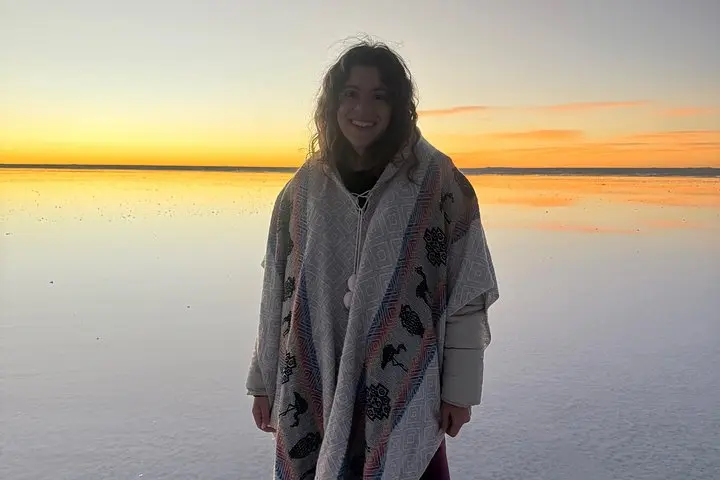
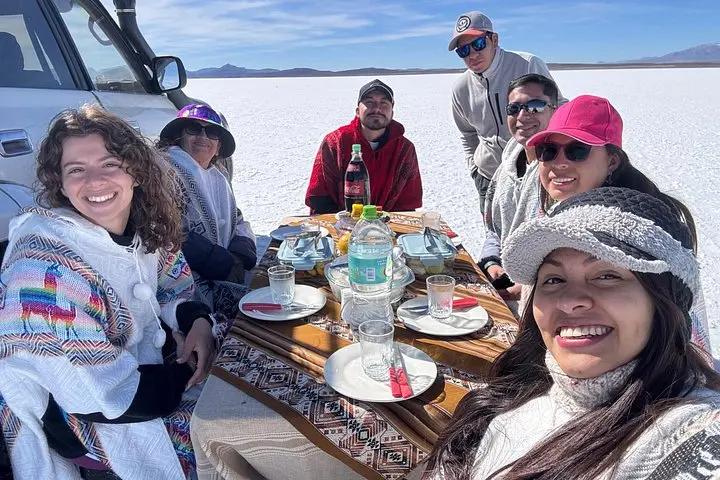
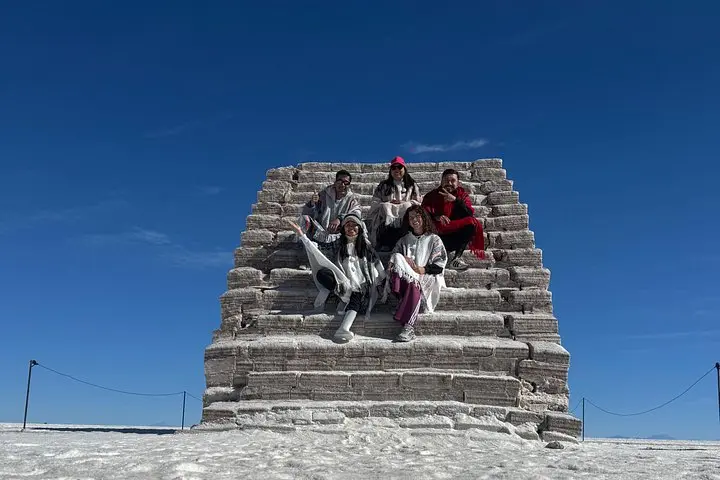
You step onto a white surface so vast the horizon seems to fold: the salt underfoot cracks like thin ice and the sky pushes its blue all the way down. A 4WD trundles across a geometric plain, carrying a small group past rusted locomotives and into an expanse where light and scale play tricks. By late afternoon, the flats become a reflective stage; the sun drops and the desert answers with color.
You step onto a white surface so vast the horizon seems to fold: the salt underfoot cracks like thin ice and the sky pushes its blue all the way down. A 4WD trundles across a geometric plain, carrying a small group past rusted locomotives and into an expanse where light and scale play tricks. By late afternoon, the flats become a reflective stage; the sun drops and the desert answers with color.
Geology here is blunt and ancient. The Salar de Uyuni is the remnant of a series of prehistoric lakes; beneath the blinding crust lie salts and brines that concentrate lithium and other minerals. Human history sits at the perimeter: the Train Cemetery speaks to early 20th-century rail ambitions, while Colchani’s salt workshops preserve artisanal techniques that turn raw salt into handicrafts and blocks for the old salt hotels.
Culturally, the region blends Aymara and Quechua influences with miner and railway lore; vendors and guides keep traditions alive while adapting to tourism. Expect clear explanations about salt extraction, salt architecture, and the seasonal mirror effect that photographers covet.
Practical guidance: tours typically last about eight hours from Uyuni town, at roughly 3,656 m (11,995 ft) elevation — acclimatize beforehand. Bring sun protection and layered clothing; temperatures swing dramatically. If you aim for reflections, plan for the wet season (Dec–Apr); for the endless dry plains and easier driving, choose May–Nov. Facilities are basic outside Uyuni town, and some stops (like Incahuasi Island) can be skipped in high water. Hydrate, protect your electronics from salt spray, and carry small Bolivianos for local purchases — the landscape rewards early arrival and patient light.