THE ADVENTURE COLLECTIVE® · Independent discovery and booking for outdoor travel

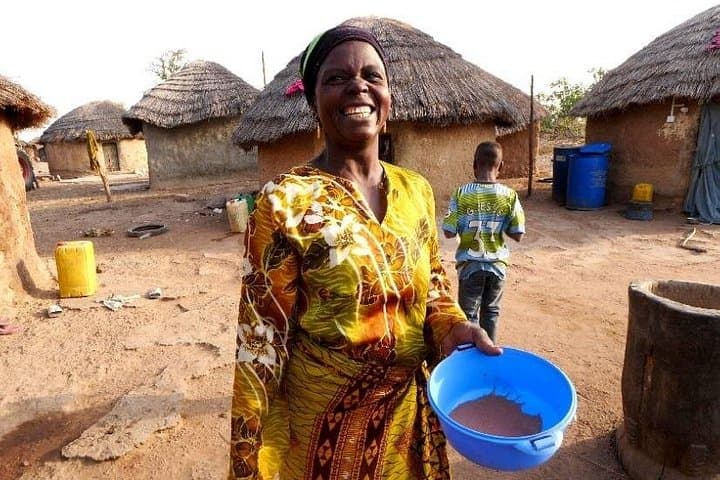
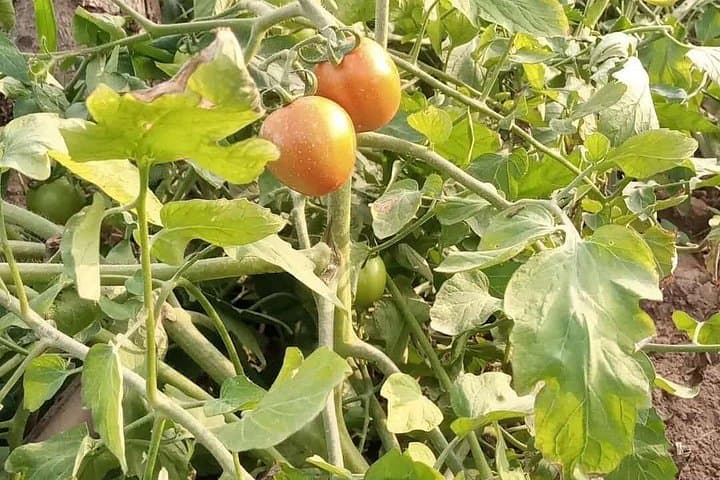
Spend a full day immersed in village life near Accra: visit farms, watch local food preparation, meet community members, and learn daily health and education practices. This guided cultural exchange offers authentic, hands-on insight into rural Ghanaian life.
Spend a full day immersed in village life near Accra: visit farms, watch local food preparation, meet community members, and learn daily health and education practices. This guided cultural exchange offers authentic, hands-on insight into rural Ghanaian life.
You arrive before sunrise and the ridge air leans cool against your face; village smoke from cooking fires threads through the palms and the hills push the horizon into a low, living wall. The day unfolds as a guided immersion into everyday rhythms — walking fields, visiting where drinks are brewed, and watching children file into an open-air school.
Verified experiences and guided adventures in the surrounding area.
Operated by Happy eagle tourism management · Accra, Greater Accra Region
You arrive before sunrise and the ridge air leans cool against your face; village smoke from cooking fires threads through the palms and the hills push the horizon into a low, living wall. The day unfolds as a guided immersion into everyday rhythms — walking fields, visiting where drinks are brewed, and watching children file into an open-air school.
The villages around Accra and the nearby Akwapim hills have long been places of mixed Akan and Ga cultural exchange; terraces and small plots reflect centuries of subsistence farming on laterite soils. Geology here is gentle — rounded hills and shallow ridgelines rather than sharp peaks — which shaped small, spread-out settlements and the paths you will walk.
Cultural life centers on shared labor: pounding yams, processing cassava, and communal cooking where techniques are passed by touch and timing. Health care and schooling are pragmatic and community-driven; questions are part of the exchange. Local guides often demonstrate palm-wine tapping and explain seasonal cropping cycles, giving context to what you see and taste.
Practical guidance: expect a full 12‑hour day with door‑to‑door transfers from Accra in an air‑conditioned vehicle. Wear sturdy closed‑toe shoes, sun protection, and dress modestly; photos are appreciated but ask before you shoot. Meals are included and based on local recipes — alert guides to dietary needs ahead of time. The pace is gentle and conversational, suited to travelers looking for an authentic, respectful cultural visit rather than a performance. Leave single‑use plastics behind, come curious, and be prepared for a day that trades creature comforts for real connection to place and people.
Pickup is typically provided from Accra hotels; confirmation will list your pickup point and approximate time—verify at booking.
Lunch and dinner are included and reflect local cuisine; inform the operator of dietary restrictions in advance so they can accommodate where possible.
The itinerary notes wheelchair accessibility for some areas, but uneven surfaces and steps in homes may limit full access—check specifics with the operator before booking.
Small practical gifts (school supplies, soap) or buying crafts directly from artisans is preferred to cash handouts, which can create imbalances.
Happy eagle tourism management operates guided outdoor trips and adventures with an emphasis on safety, stewardship, and memorable experiences.


You arrive before sunrise and the ridge air leans cool against your face; village smoke from cooking fires threads through the palms and the hills push the horizon into a low, living wall. The day unfolds as a guided immersion into everyday rhythms — walking fields, visiting where drinks are brewed, and watching children file into an open-air school.
You arrive before sunrise and the ridge air leans cool against your face; village smoke from cooking fires threads through the palms and the hills push the horizon into a low, living wall. The day unfolds as a guided immersion into everyday rhythms — walking fields, visiting where drinks are brewed, and watching children file into an open-air school.
The villages around Accra and the nearby Akwapim hills have long been places of mixed Akan and Ga cultural exchange; terraces and small plots reflect centuries of subsistence farming on laterite soils. Geology here is gentle — rounded hills and shallow ridgelines rather than sharp peaks — which shaped small, spread-out settlements and the paths you will walk.
Cultural life centers on shared labor: pounding yams, processing cassava, and communal cooking where techniques are passed by touch and timing. Health care and schooling are pragmatic and community-driven; questions are part of the exchange. Local guides often demonstrate palm-wine tapping and explain seasonal cropping cycles, giving context to what you see and taste.
Practical guidance: expect a full 12‑hour day with door‑to‑door transfers from Accra in an air‑conditioned vehicle. Wear sturdy closed‑toe shoes, sun protection, and dress modestly; photos are appreciated but ask before you shoot. Meals are included and based on local recipes — alert guides to dietary needs ahead of time. The pace is gentle and conversational, suited to travelers looking for an authentic, respectful cultural visit rather than a performance. Leave single‑use plastics behind, come curious, and be prepared for a day that trades creature comforts for real connection to place and people.