THE ADVENTURE COLLECTIVE® · Independent discovery and booking for outdoor travel

Spend a six-hour day at Jendele’s Recycling Dream Center helping build infrastructure, make fertilizer from organic waste, and plant trees. This practical volunteer experience pairs modest physical work with cultural exchange and direct community impact.
Spend a six-hour day at Jendele’s Recycling Dream Center helping build infrastructure, make fertilizer from organic waste, and plant trees. This practical volunteer experience pairs modest physical work with cultural exchange and direct community impact.
You arrive on the red dust road to Jendele as the island heat settles into the day; palms shift shadows across a low compound where recycled plastic hums with purpose and a small crowd already hums with work. The Recycling Dream Center feels pragmatic and earnest — a place where sweat, smiles, and local know-how convert waste into usable materials and soil.
Verified experiences and guided adventures in the surrounding area.
Operated by Zanzibar Eco-Friendly Tours · Jendele, Unguja
You arrive on the red dust road to Jendele as the island heat settles into the day; palms shift shadows across a low compound where recycled plastic hums with purpose and a small crowd already hums with work. The Recycling Dream Center feels pragmatic and earnest — a place where sweat, smiles, and local know-how convert waste into usable materials and soil.
PDS Village sits on Unguja, Zanzibar’s main island, in a landscape shaped by coral limestone and mangrove-lined bays. The project intersects Zanzibar’s recent push toward sustainable livelihoods; volunteers assist locals building simple structures, composting organic waste, and planting native trees to stabilize soil and shade crops. Culture here is Swahili in cadence: polite laugher, shared tea breaks, and clear respect for communal effort.
Expect hands-on, moderately physical tasks: mixing compost, carrying light building materials, planting seedlings, and helping assemble low-cost recycling systems. Work proceeds in teams under local supervisors, with opportunities to learn Swahili phrases and traditional techniques for soil regeneration.
Practicalities: sessions run about six hours with pick-up from Stone Town or nearby lodgings at 8:30 AM or 2:30 PM. Wear closed-toe shoes, long sleeves for sun and insects, and bring a day pack with water. Lunch, bottled water, and carbonated drinks are provided. Travelers should be in reasonable health—tasks are not technical but do require bending, lifting, and standing for stretches.
This is community service framed as travel: an opportunity to leave a small, verifiable footprint that supports local capacity-building while giving visitors a clear, grounded view of environmental challenges and solutions on Zanzibar.
No — the program is designed for beginners; local staff provide instruction for all tasks, and work is supervised.
Yes — private transportation to and from Zanzibar locations, lunch, bottled water, and a soft drink are included.
Travelers should have moderate physical fitness; the activity is not recommended for people with serious spinal or heart conditions.
Infants must sit on an adult’s lap for transit; organizers allow participation but recommend adult supervision for children during hands-on tasks.
Zanzibar Eco-Friendly Tours operates guided outdoor trips and adventures with an emphasis on safety, stewardship, and memorable experiences.
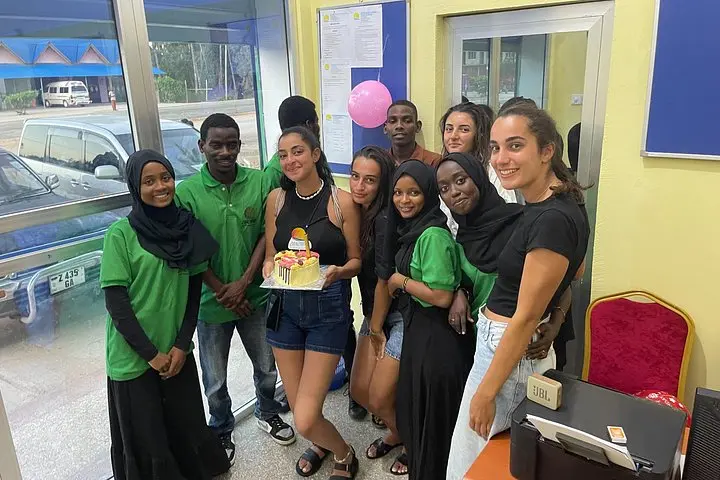
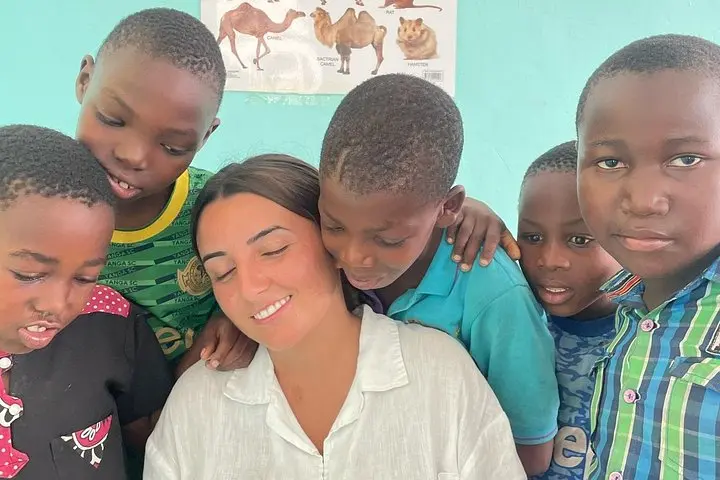
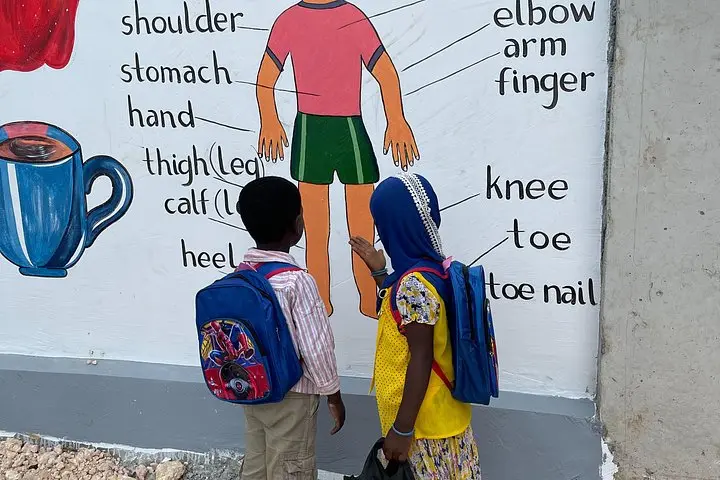
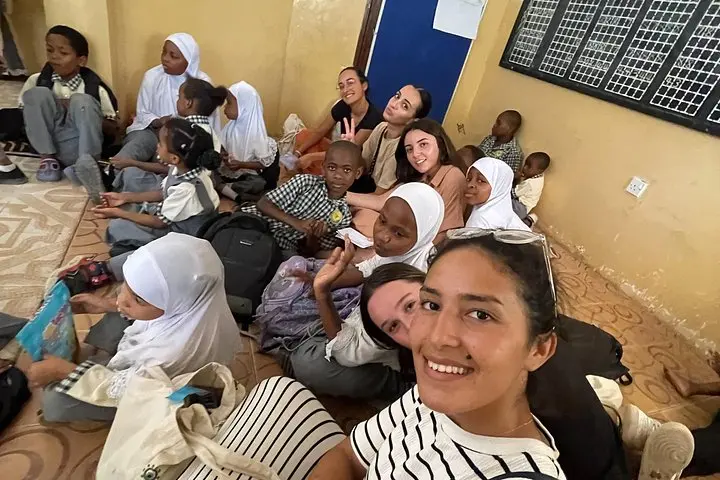
You arrive on the red dust road to Jendele as the island heat settles into the day; palms shift shadows across a low compound where recycled plastic hums with purpose and a small crowd already hums with work. The Recycling Dream Center feels pragmatic and earnest — a place where sweat, smiles, and local know-how convert waste into usable materials and soil.
You arrive on the red dust road to Jendele as the island heat settles into the day; palms shift shadows across a low compound where recycled plastic hums with purpose and a small crowd already hums with work. The Recycling Dream Center feels pragmatic and earnest — a place where sweat, smiles, and local know-how convert waste into usable materials and soil.
PDS Village sits on Unguja, Zanzibar’s main island, in a landscape shaped by coral limestone and mangrove-lined bays. The project intersects Zanzibar’s recent push toward sustainable livelihoods; volunteers assist locals building simple structures, composting organic waste, and planting native trees to stabilize soil and shade crops. Culture here is Swahili in cadence: polite laugher, shared tea breaks, and clear respect for communal effort.
Expect hands-on, moderately physical tasks: mixing compost, carrying light building materials, planting seedlings, and helping assemble low-cost recycling systems. Work proceeds in teams under local supervisors, with opportunities to learn Swahili phrases and traditional techniques for soil regeneration.
Practicalities: sessions run about six hours with pick-up from Stone Town or nearby lodgings at 8:30 AM or 2:30 PM. Wear closed-toe shoes, long sleeves for sun and insects, and bring a day pack with water. Lunch, bottled water, and carbonated drinks are provided. Travelers should be in reasonable health—tasks are not technical but do require bending, lifting, and standing for stretches.
This is community service framed as travel: an opportunity to leave a small, verifiable footprint that supports local capacity-building while giving visitors a clear, grounded view of environmental challenges and solutions on Zanzibar.