THE ADVENTURE COLLECTIVE® · Independent discovery and booking for outdoor travel

Spend a full day exploring Wadi Rum by jeep—rock bridges, narrow canyons, sand dunes and Bedouin tea. This private tour mixes short climbs with cinematic drives and local stories.
Spend a full day exploring Wadi Rum by jeep—rock bridges, narrow canyons, sand dunes and Bedouin tea. This private tour mixes short climbs with cinematic drives and local stories.
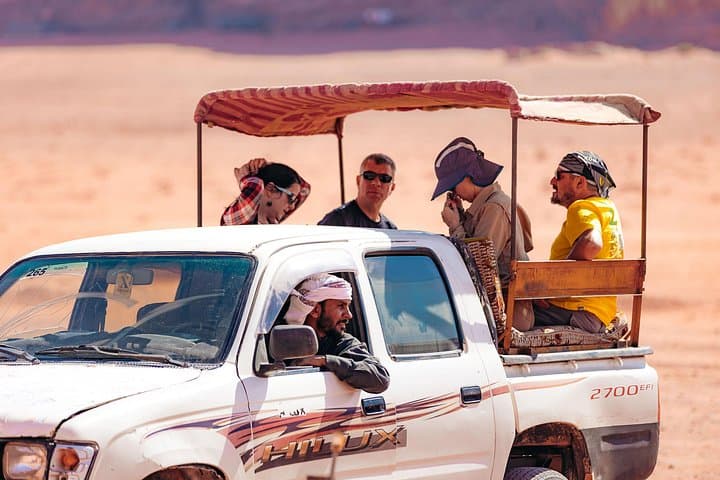
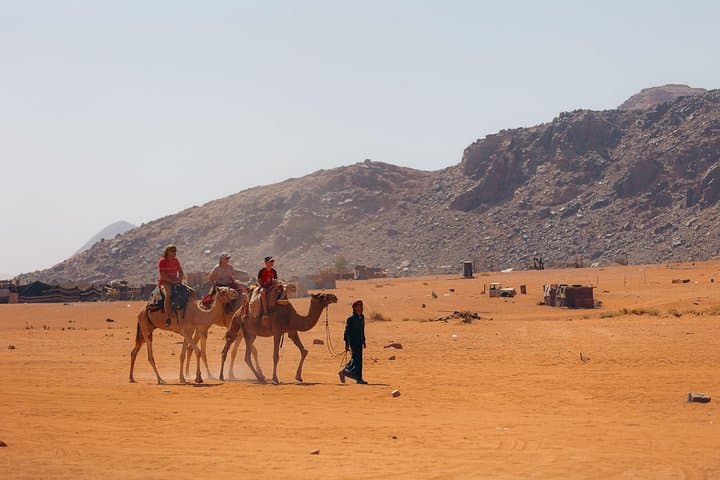
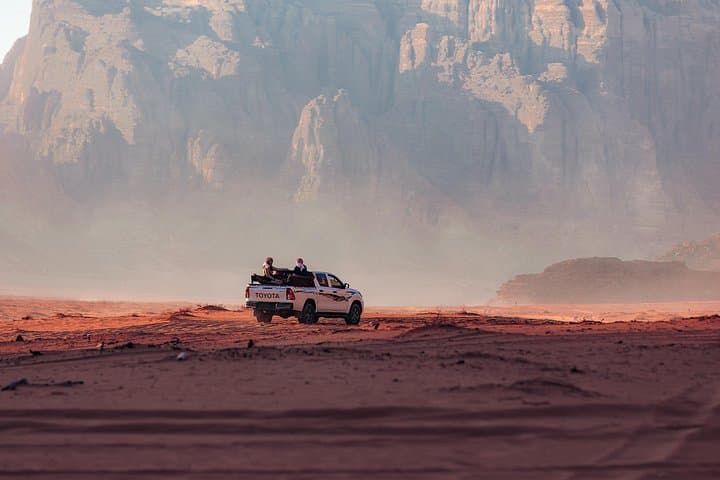
A low, red horizon opens as the jeep slides off the paved road and into a wide, sun-browned valley. Wind tugs at the canvas of the camp where the driver kills the engine and the guide—usually a local Bedouin like Raad—breathes in the place the world imagines when it hears “desert.” The first cup of steaming tea arrives and, between sips, the desert loosens its scale: cliffs the color of iron, narrow canyons cupped like hands, and dunes that rise and fall like slow breathing.
Verified experiences and guided adventures in the surrounding area.
Operated by Magic Bedouin Star Tours · Wadi Rum Village, Aqaba Governorate
A low, red horizon opens as the jeep slides off the paved road and into a wide, sun-browned valley. Wind tugs at the canvas of the camp where the driver kills the engine and the guide—usually a local Bedouin like Raad—breathes in the place the world imagines when it hears “desert.” The first cup of steaming tea arrives and, between sips, the desert loosens its scale: cliffs the color of iron, narrow canyons cupped like hands, and dunes that rise and fall like slow breathing.
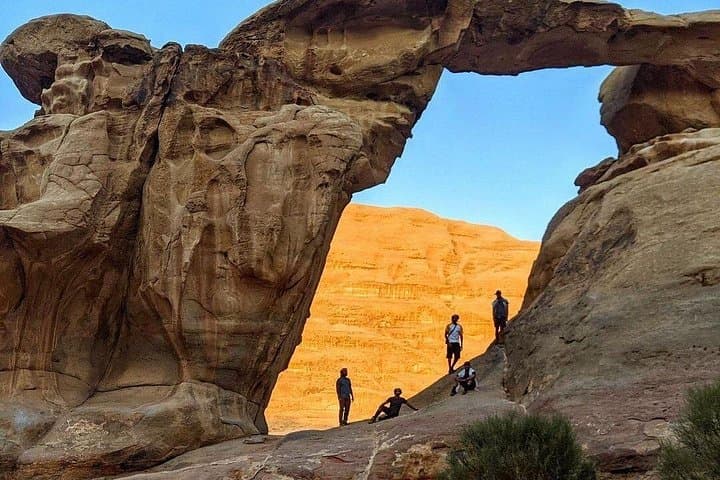
This full-day tour stitches together Wadi Rum’s most cinematic features: the spring-fed watering hole where camels congregate; a sand dune crowned by a rocky outcrop with a 360-degree view; narrow canyons with ancient inscriptions; and natural bridges like Burdah and Um Frouth. Geologically, Wadi Rum is a playground of Precambrian granite and sandstone sculpted by wind and water over millennia—arches and mushroom rocks recording erosion in relief. Culturally, the valley has been home to Bedouin clans for centuries and acted as a crossroads between Arabian trade routes; Lawrence of Arabia's presence in the early 20th century left both physical and mythic traces used repeatedly by filmmakers.
On the itinerary, expect a mix of easy drives and short, hands-on scrambles—30–120 minute stops that let you climb a rock bridge, thread a canyon, or linger in a cool cave for a traditional Bedouin lunch. The guide will pour tea, tell stories of desert life, and point out petroglyphs scratched into stone by earlier inhabitants. For photographers the scale is immediate: shadows stretch across red dunes, and rock faces glow at golden hour.
Practical edges: the tour meets at the Wadi Rum Rest House near the Visitor Centre—bring your Jordan Pass or 5 JOD entrance fee. Most walking is short but can be steep: expect uneven sandstone, loose sand, and sections requiring hands-and-feet climbing. Sandboard rentals are available locally (about 5 JOD) if you want to ride a dune. Hydrate proactively—bottled water is provided, but carry a reusable bottle to refill.
Timing matters. Aim for spring or fall for mild temps and comfortable hiking; summer is brutally hot midday and winter nights can be surprisingly cold. Wear sturdy shoes, sun protection, and layers for wind and shade. If you want the fuller Bedouin experience, consider adding an overnight in a tent after the day tour—night skies here turn into a galaxy you can step into.
This is a tour built for contrasts: fragile inscriptions beside massive stone arches, quiet tea breaks against a backdrop of cinematic openness. It’s efficient, local-led, and designed to put you in direct contact with the desert’s shape and stories—no frills, just the desert doing what it does best.
The meeting point is the Wadi Rum Rest House at the Visitor Centre; look for your guide (often named Raad) who will pick you up in a jeep.
No—the 5 JOD protected-area fee is separate. Holders of the Jordan Pass are exempt and should present it at the Visitor Centre.
Most walks are short (30–40 minutes) with occasional moderate scrambles requiring hands; no technical climbing skills are needed.
Yes, sandboards are available near the dunes for about 5 JOD—ask your guide to stop at the rental tent.
Yes, it’s family-friendly, but the trip is not recommended for people with spinal, heart, or pregnancy-related restrictions; infants must sit on laps.
Yes—many operators can arrange an optional overnight in a Bedouin-style tent for a small additional fee to experience dinner and night skies.
Magic Bedouin Star Tours operates guided outdoor trips and adventures with an emphasis on safety, stewardship, and memorable experiences.
A low, red horizon opens as the jeep slides off the paved road and into a wide, sun-browned valley. Wind tugs at the canvas of the camp where the driver kills the engine and the guide—usually a local Bedouin like Raad—breathes in the place the world imagines when it hears “desert.” The first cup of steaming tea arrives and, between sips, the desert loosens its scale: cliffs the color of iron, narrow canyons cupped like hands, and dunes that rise and fall like slow breathing.
A low, red horizon opens as the jeep slides off the paved road and into a wide, sun-browned valley. Wind tugs at the canvas of the camp where the driver kills the engine and the guide—usually a local Bedouin like Raad—breathes in the place the world imagines when it hears “desert.” The first cup of steaming tea arrives and, between sips, the desert loosens its scale: cliffs the color of iron, narrow canyons cupped like hands, and dunes that rise and fall like slow breathing.
This full-day tour stitches together Wadi Rum’s most cinematic features: the spring-fed watering hole where camels congregate; a sand dune crowned by a rocky outcrop with a 360-degree view; narrow canyons with ancient inscriptions; and natural bridges like Burdah and Um Frouth. Geologically, Wadi Rum is a playground of Precambrian granite and sandstone sculpted by wind and water over millennia—arches and mushroom rocks recording erosion in relief. Culturally, the valley has been home to Bedouin clans for centuries and acted as a crossroads between Arabian trade routes; Lawrence of Arabia's presence in the early 20th century left both physical and mythic traces used repeatedly by filmmakers.
On the itinerary, expect a mix of easy drives and short, hands-on scrambles—30–120 minute stops that let you climb a rock bridge, thread a canyon, or linger in a cool cave for a traditional Bedouin lunch. The guide will pour tea, tell stories of desert life, and point out petroglyphs scratched into stone by earlier inhabitants. For photographers the scale is immediate: shadows stretch across red dunes, and rock faces glow at golden hour.
Practical edges: the tour meets at the Wadi Rum Rest House near the Visitor Centre—bring your Jordan Pass or 5 JOD entrance fee. Most walking is short but can be steep: expect uneven sandstone, loose sand, and sections requiring hands-and-feet climbing. Sandboard rentals are available locally (about 5 JOD) if you want to ride a dune. Hydrate proactively—bottled water is provided, but carry a reusable bottle to refill.
Timing matters. Aim for spring or fall for mild temps and comfortable hiking; summer is brutally hot midday and winter nights can be surprisingly cold. Wear sturdy shoes, sun protection, and layers for wind and shade. If you want the fuller Bedouin experience, consider adding an overnight in a tent after the day tour—night skies here turn into a galaxy you can step into.
This is a tour built for contrasts: fragile inscriptions beside massive stone arches, quiet tea breaks against a backdrop of cinematic openness. It’s efficient, local-led, and designed to put you in direct contact with the desert’s shape and stories—no frills, just the desert doing what it does best.