THE ADVENTURE COLLECTIVE® · Independent discovery and booking for outdoor travel

An early-morning drive from Cusco takes you into high Andean grasslands and a short, steady climb to Waqrapukara—an imposing pre-Inca fortress with dramatic canyons and wide summit views. This full-day trek pairs cultural history with geological spectacle and requires moderate fitness and altitude awareness.
An early-morning drive from Cusco takes you into high Andean grasslands and a short, steady climb to Waqrapukara—an imposing pre-Inca fortress with dramatic canyons and wide summit views. This full-day trek pairs cultural history with geological spectacle and requires moderate fitness and altitude awareness.
Before dawn the van pulls out of Cusco and the Andes open like a series of turning pages—pink ridgelines give way to brown puna and a wide, bracing sky. You arrive at the trailhead near Sangarará with the air thin and bright; the hike up to Waqrapukara climbs through tussock grass, past chasms that dare you to peer over their rims, and into a clearing of stonework that reads as both military outpost and ceremonial platform.
Verified experiences and guided adventures in the surrounding area.
Operated by ATV CUSCO ADVENTURES ON WHEELS · Cusco, Cusco Region
Before dawn the van pulls out of Cusco and the Andes open like a series of turning pages—pink ridgelines give way to brown puna and a wide, bracing sky. You arrive at the trailhead near Sangarará with the air thin and bright; the hike up to Waqrapukara climbs through tussock grass, past chasms that dare you to peer over their rims, and into a clearing of stonework that reads as both military outpost and ceremonial platform.
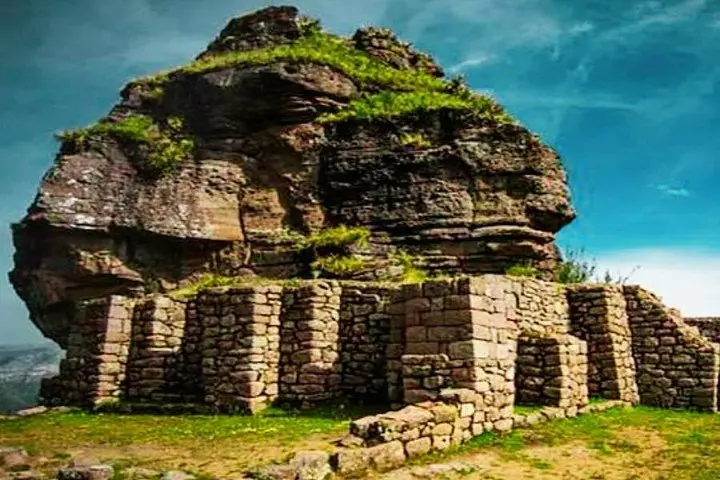
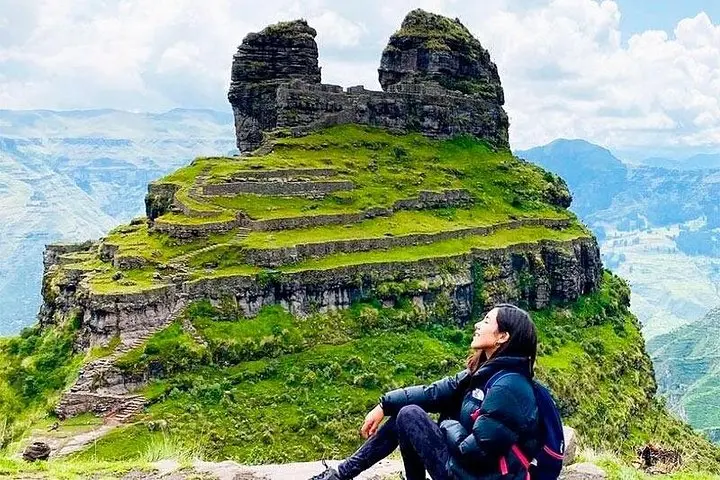
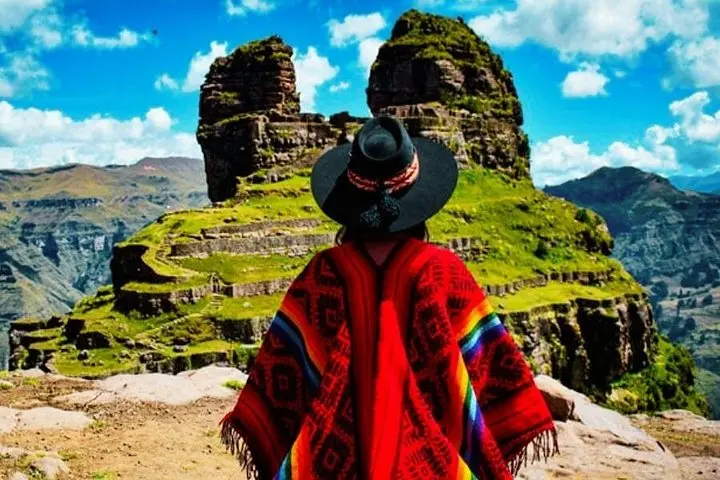
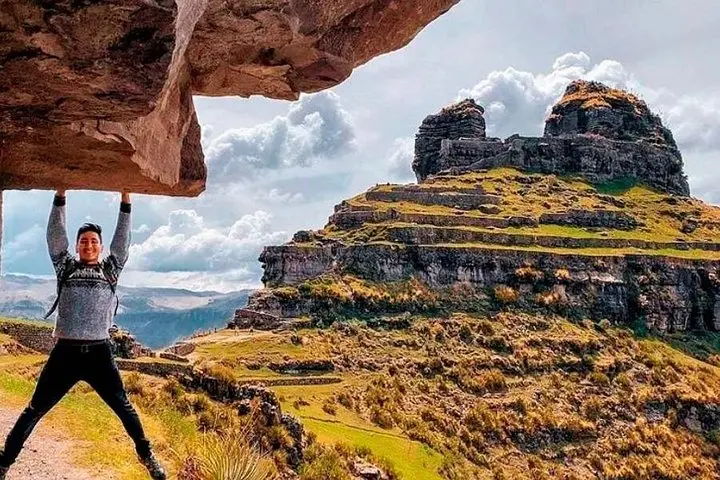
Waqrapukara—Quechua for “horn fortress”—is a pre-Inca archaeological complex of plazas, terraces and megalithic walls carved from the local volcanic sandstone. Geologically the site sits on folded Andean strata that produced steep canyons and sharp ridgelines; erosion has left dramatic escarpments that frame long views back toward the Pomacanchi lagoon and the valleys below.
Culturally, the area remains lightly populated by Quechua-speaking communities; guides often weave local myths about the fortress’s origins into explanations of the architecture. You’ll spend around two hours exploring the platforms and chasm-side viewpoints, time enough for photos, quiet, and to listen for condors riding thermals above.
Practical notes: the full-day tour departs very early and returns late—plan for 10–12 hours of travel and hiking, with roughly 2–3 hours of uphill on uneven stone and dirt. Altitude and sun are the main challenges: hydrate, layer up against wind and cold at the summit, and use trekking poles for the steeper sections. The route is rewarding for hikers with a moderate fitness level and a respect for fragile highland ecosystems.
The hike is classed as moderate: roughly 2–3 hours of ascent on uneven trail at high altitude; basic fitness and steady pace are sufficient.
Symptoms vary—shortness of breath, headache or nausea can occur; acclimatize in Cusco, hydrate well, and descend if symptoms worsen.
The tour includes breakfast at Cusipata and a boxed picnic lunch; bring extra snacks and high-energy items if you prefer.
Participants should have moderate fitness and be able to hike on rocky terrain; the operator advises against booking for those with serious back, heart, or pregnancy concerns.
ATV CUSCO ADVENTURES ON WHEELS operates guided outdoor trips and adventures with an emphasis on safety, stewardship, and memorable experiences.
Before dawn the van pulls out of Cusco and the Andes open like a series of turning pages—pink ridgelines give way to brown puna and a wide, bracing sky. You arrive at the trailhead near Sangarará with the air thin and bright; the hike up to Waqrapukara climbs through tussock grass, past chasms that dare you to peer over their rims, and into a clearing of stonework that reads as both military outpost and ceremonial platform.
Before dawn the van pulls out of Cusco and the Andes open like a series of turning pages—pink ridgelines give way to brown puna and a wide, bracing sky. You arrive at the trailhead near Sangarará with the air thin and bright; the hike up to Waqrapukara climbs through tussock grass, past chasms that dare you to peer over their rims, and into a clearing of stonework that reads as both military outpost and ceremonial platform.
Waqrapukara—Quechua for “horn fortress”—is a pre-Inca archaeological complex of plazas, terraces and megalithic walls carved from the local volcanic sandstone. Geologically the site sits on folded Andean strata that produced steep canyons and sharp ridgelines; erosion has left dramatic escarpments that frame long views back toward the Pomacanchi lagoon and the valleys below.
Culturally, the area remains lightly populated by Quechua-speaking communities; guides often weave local myths about the fortress’s origins into explanations of the architecture. You’ll spend around two hours exploring the platforms and chasm-side viewpoints, time enough for photos, quiet, and to listen for condors riding thermals above.
Practical notes: the full-day tour departs very early and returns late—plan for 10–12 hours of travel and hiking, with roughly 2–3 hours of uphill on uneven stone and dirt. Altitude and sun are the main challenges: hydrate, layer up against wind and cold at the summit, and use trekking poles for the steeper sections. The route is rewarding for hikers with a moderate fitness level and a respect for fragile highland ecosystems.