THE ADVENTURE COLLECTIVE® · Independent discovery and booking for outdoor travel

A full-day guided hike from Cusco to Waqrapukara delivers steep Inca terraces, horn-shaped stone towers and high-Andean panoramas. This early-start excursion mixes geology, Quechua culture and a challenging 2.5-hour ascent to ruins at 4,300 m.
A full-day guided hike from Cusco to Waqrapukara delivers steep Inca terraces, horn-shaped stone towers and high-Andean panoramas. This early-start excursion mixes geology, Quechua culture and a challenging 2.5-hour ascent to ruins at 4,300 m.
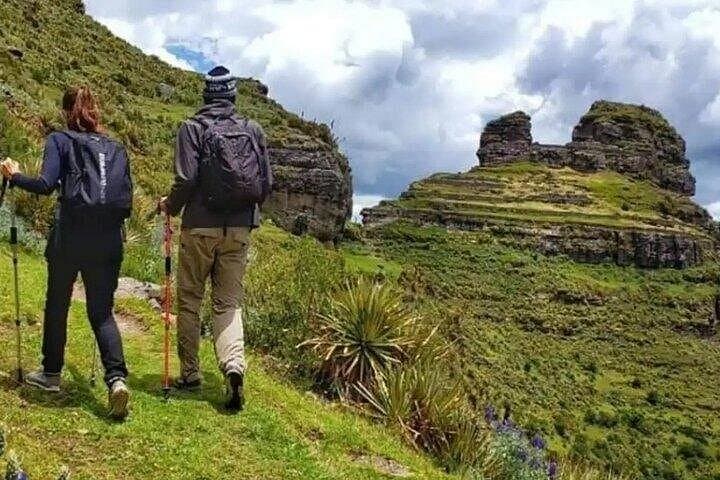
At dawn, a minivan peels away from Cusco and the high plain unfolds: grasses flatten under wind, pumice-strewn ridges slice the horizon, and the road climbs toward Waqrapukara’s horn-shaped silhouette. You arrive in the village of Rinconada, breath visible at 4,300 meters, and set off on a 2.5-hour ascent over rocky trails and stepped terraces that lead to an exposed Inca complex.
Verified experiences and guided adventures in the surrounding area.
Operated by Zarate Adventours · Cusco, Cusco Region
At dawn, a minivan peels away from Cusco and the high plain unfolds: grasses flatten under wind, pumice-strewn ridges slice the horizon, and the road climbs toward Waqrapukara’s horn-shaped silhouette. You arrive in the village of Rinconada, breath visible at 4,300 meters, and set off on a 2.5-hour ascent over rocky trails and stepped terraces that lead to an exposed Inca complex.
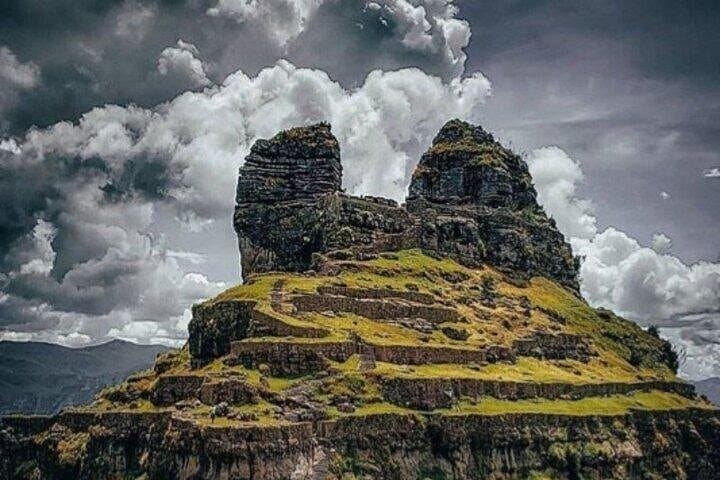
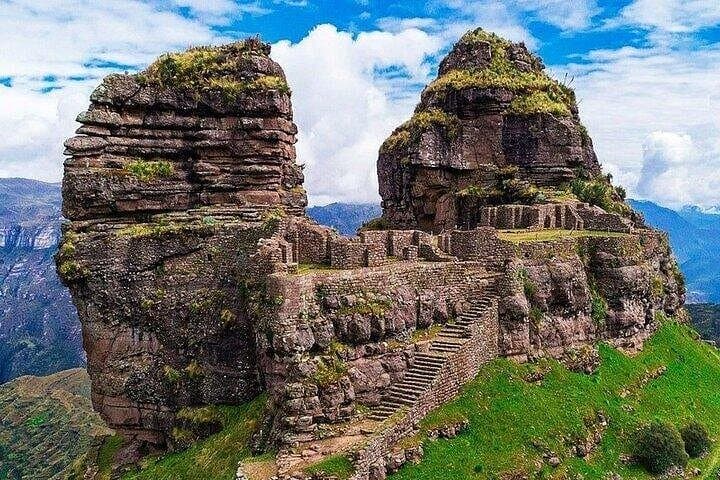
Waqrapukara — 'horn watchtower' — is an unusually vertical Inca fortress carved into a steep ridge. Geologically the site sits on volcanic andesite and uplifted sediment, producing cliffs, terraces and natural amphitheaters where the builders arranged plazas, towers and carved niches. Local communities around Pomacanchi and Sangarará maintain Quechua traditions; expect to pass grazing alpacas and stone walls reused by generations.
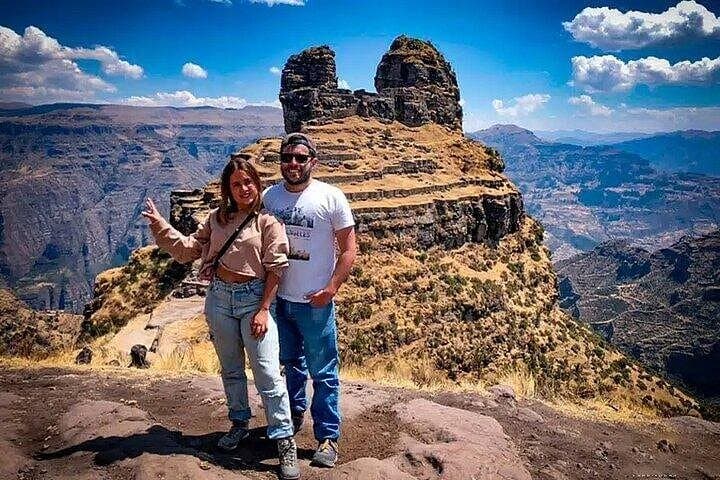
The hike combines cultural archaeology with raw mountain weather: sudden squalls can bite and high sun is relentless. Breaks at marked viewpoints reveal sweeping valleys and a jagged skyline that seems to push back at every step.
Practical guidance: start very early to avoid afternoon storms and maximize daylight; allow time for acclimatization in Cusco (24–48 hours recommended). Wear stiff-soled boots and bring 2–3 liters of water, sun protection and layered clothing for wind and cold. The trail is steep and uneven—poles help. Guides usually include breakfast, boxed lunch, entrance fee and oxygen assistance if needed; phone service is intermittent. Respect the ruins: stay on trails, avoid touching carved stone, and leave no trace. With preparation, the climb rewards you with a seldom-crowded summit and raw, high-Andean panoramas.
The uphill walk is about 2.5 hours each way on a steep, uneven trail; total door-to-door tour lasts roughly 12–13 hours.
Yes—Waqrapukara sits near 4,300 m. Spend a day or two in Cusco first, stay hydrated, ascend slowly and consider medication or oxygen assistance if you’ve had prior issues.
Typical inclusions are hotel pickup, breakfast, lunch, entrance fees, guide and transportation; some operators provide oxygen assistance.
Hikers with moderate fitness who are acclimatized can usually complete it, but the steepness and altitude make it challenging for true beginners or those with heart/spinal conditions.
Zarate Adventours operates guided outdoor trips and adventures with an emphasis on safety, stewardship, and memorable experiences.
At dawn, a minivan peels away from Cusco and the high plain unfolds: grasses flatten under wind, pumice-strewn ridges slice the horizon, and the road climbs toward Waqrapukara’s horn-shaped silhouette. You arrive in the village of Rinconada, breath visible at 4,300 meters, and set off on a 2.5-hour ascent over rocky trails and stepped terraces that lead to an exposed Inca complex.
At dawn, a minivan peels away from Cusco and the high plain unfolds: grasses flatten under wind, pumice-strewn ridges slice the horizon, and the road climbs toward Waqrapukara’s horn-shaped silhouette. You arrive in the village of Rinconada, breath visible at 4,300 meters, and set off on a 2.5-hour ascent over rocky trails and stepped terraces that lead to an exposed Inca complex.
Waqrapukara — 'horn watchtower' — is an unusually vertical Inca fortress carved into a steep ridge. Geologically the site sits on volcanic andesite and uplifted sediment, producing cliffs, terraces and natural amphitheaters where the builders arranged plazas, towers and carved niches. Local communities around Pomacanchi and Sangarará maintain Quechua traditions; expect to pass grazing alpacas and stone walls reused by generations.
The hike combines cultural archaeology with raw mountain weather: sudden squalls can bite and high sun is relentless. Breaks at marked viewpoints reveal sweeping valleys and a jagged skyline that seems to push back at every step.
Practical guidance: start very early to avoid afternoon storms and maximize daylight; allow time for acclimatization in Cusco (24–48 hours recommended). Wear stiff-soled boots and bring 2–3 liters of water, sun protection and layered clothing for wind and cold. The trail is steep and uneven—poles help. Guides usually include breakfast, boxed lunch, entrance fee and oxygen assistance if needed; phone service is intermittent. Respect the ruins: stay on trails, avoid touching carved stone, and leave no trace. With preparation, the climb rewards you with a seldom-crowded summit and raw, high-Andean panoramas.