THE ADVENTURE COLLECTIVE® · Independent discovery and booking for outdoor travel

Beat the crowds on a private full‑day from Cusco to Waqrapukara—an enigmatic high‑Andean fortress at 4,300 m offering dramatic Apurímac canyon views and a short, rewarding hike. Learn about the site's pre‑Inca origins and practical tips for altitude and terrain.
Beat the crowds on a private full‑day from Cusco to Waqrapukara—an enigmatic high‑Andean fortress at 4,300 m offering dramatic Apurímac canyon views and a short, rewarding hike. Learn about the site's pre‑Inca origins and practical tips for altitude and terrain.
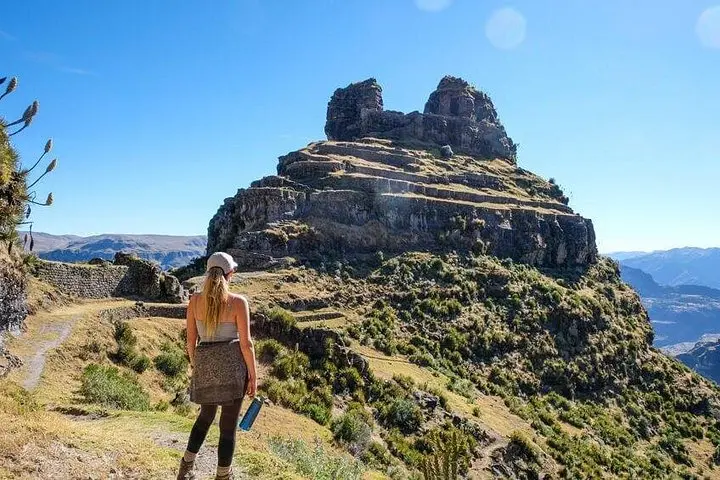
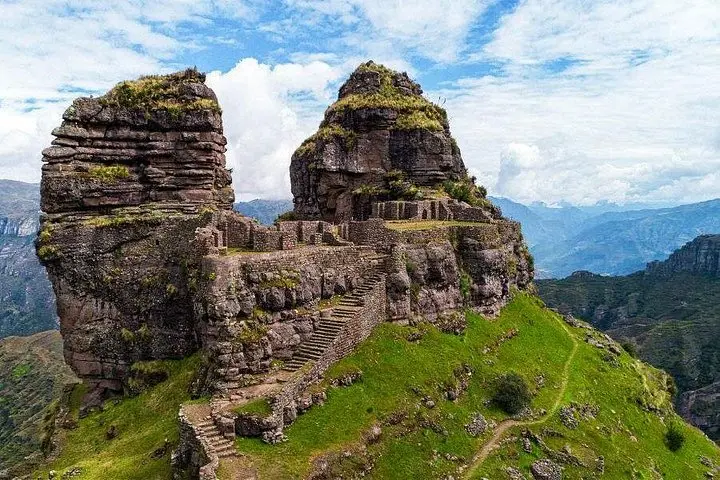
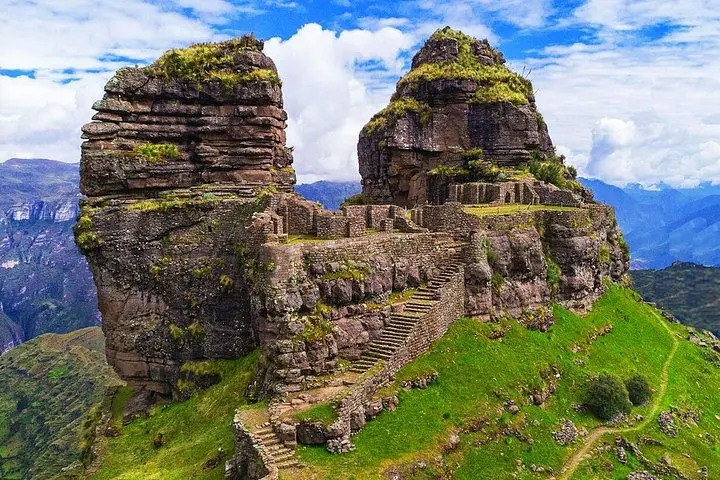
You leave Cusco before the sun rises, the van cutting through Andean night toward a ridge that catches the first pale light. By midmorning the stone silhouette of Waqrapukara appears above the canyon—craggy walls and stacked terraces that look like a fortress carved from the mountain itself.
Verified experiences and guided adventures in the surrounding area.
Operated by Rainbow Mountain Cusco Agency · Cusco, Cusco
You leave Cusco before the sun rises, the van cutting through Andean night toward a ridge that catches the first pale light. By midmorning the stone silhouette of Waqrapukara appears above the canyon—craggy walls and stacked terraces that look like a fortress carved from the mountain itself.
Waqrapukara sits at about 4,300 m above sea level where Quechua, Suni and Puna ecological zones meet. Built originally by pre-Inca groups and later occupied by the Incas, the site has terraces, large erratic rock formations and narrow stairways that suggest ritual or defensive uses; scholars debate whether it served as an observatory, sanctuary, or fort. The Apurímac river plunges far below, its canyon revealing the geological forces that uplifted the Andes and sliced deep river valleys over millions of years.
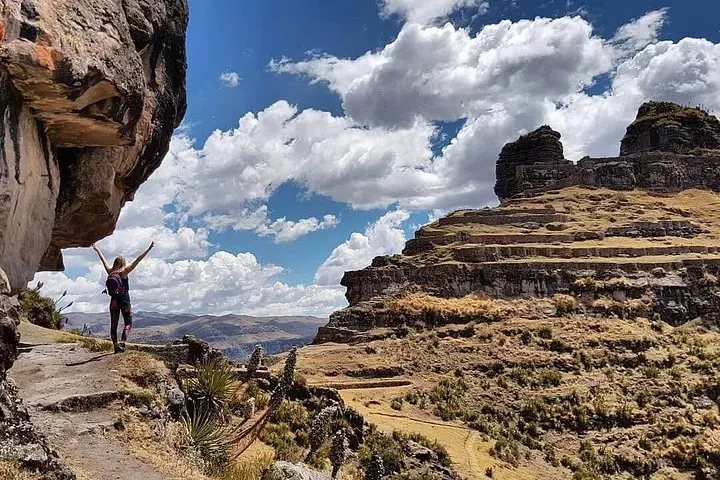
The day tour combines a private drive from Cusco, a short but steady 1–1.5 hour ascent to the ruin, and panoramic time on the plateau. Expect thin air, sweeping views of distant snow-capped ridgelines, and encounters with highland grasses and grazing camelids. Local communities around the route keep traditional quechua practices—occasional alpaca herds, field terraces and simple trade stands.
Practical guidance: start acclimatized (arrive in Cusco 48–72 hours before high-altitude activity), carry water and layered clothing, and pace yourself uphill. The trail is rocky and can be slippery after rain—sturdy boots and trekking poles help. The private itinerary typically includes breakfast, bottled water, lunch and return to Cusco the same evening.
The on‑site hike is about 1–1.5 hours round trip from the transport drop‑off, with additional walking among ruins and viewpoints.
The trail is short but at high altitude; children and older travelers may do it if acclimatized and able to walk uphill steadily—consult guides about mobility needs.
Entrance to Waqrapukara is typically included in guided tours; independent visitors should check local ticketing at the archaeology site.
Altitude sickness, sun exposure, and sudden weather changes are primary risks—hydrate, dress in layers, and notify guides of any health concerns.
Rainbow Mountain Cusco Agency operates guided outdoor trips and adventures with an emphasis on safety, stewardship, and memorable experiences.
You leave Cusco before the sun rises, the van cutting through Andean night toward a ridge that catches the first pale light. By midmorning the stone silhouette of Waqrapukara appears above the canyon—craggy walls and stacked terraces that look like a fortress carved from the mountain itself.
You leave Cusco before the sun rises, the van cutting through Andean night toward a ridge that catches the first pale light. By midmorning the stone silhouette of Waqrapukara appears above the canyon—craggy walls and stacked terraces that look like a fortress carved from the mountain itself.
Waqrapukara sits at about 4,300 m above sea level where Quechua, Suni and Puna ecological zones meet. Built originally by pre-Inca groups and later occupied by the Incas, the site has terraces, large erratic rock formations and narrow stairways that suggest ritual or defensive uses; scholars debate whether it served as an observatory, sanctuary, or fort. The Apurímac river plunges far below, its canyon revealing the geological forces that uplifted the Andes and sliced deep river valleys over millions of years.
The day tour combines a private drive from Cusco, a short but steady 1–1.5 hour ascent to the ruin, and panoramic time on the plateau. Expect thin air, sweeping views of distant snow-capped ridgelines, and encounters with highland grasses and grazing camelids. Local communities around the route keep traditional quechua practices—occasional alpaca herds, field terraces and simple trade stands.
Practical guidance: start acclimatized (arrive in Cusco 48–72 hours before high-altitude activity), carry water and layered clothing, and pace yourself uphill. The trail is rocky and can be slippery after rain—sturdy boots and trekking poles help. The private itinerary typically includes breakfast, bottled water, lunch and return to Cusco the same evening.