THE ADVENTURE COLLECTIVE® · Independent discovery and booking for outdoor travel

Spend a full day crossing the Nile to explore the Valley of the Kings, Hatshepsut’s temple and the Colossi of Memnon, then return to the East Bank for Karnak and a sunset felucca. This practical guide prepares you for the archaeology, walking and heat of Luxor.
Spend a full day crossing the Nile to explore the Valley of the Kings, Hatshepsut’s temple and the Colossi of Memnon, then return to the East Bank for Karnak and a sunset felucca. This practical guide prepares you for the archaeology, walking and heat of Luxor.
A low morning sun lights the Nile as your driver threads through Luxor’s East Bank neighborhoods and the river dares you to leave city pace behind. You cross to the West Bank and the landscape changes to sun-baked limestone cliffs where pharaohs chose rock as refuge; the Valley of the Kings opens like a carved map of afterlives, cool passageways and ribbed ceilings decorated in ochre and lapis.
Verified experiences and guided adventures in the surrounding area.
Operated by Luxor Taxi - DayTour · Luxor, Luxor Governorate
A low morning sun lights the Nile as your driver threads through Luxor’s East Bank neighborhoods and the river dares you to leave city pace behind. You cross to the West Bank and the landscape changes to sun-baked limestone cliffs where pharaohs chose rock as refuge; the Valley of the Kings opens like a carved map of afterlives, cool passageways and ribbed ceilings decorated in ochre and lapis.
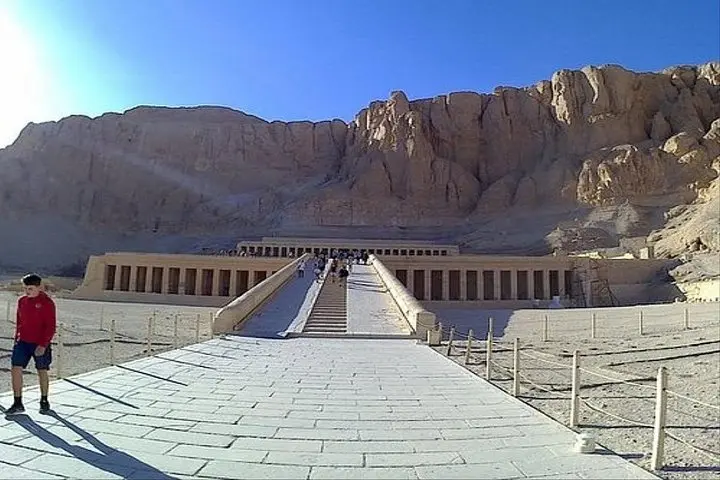
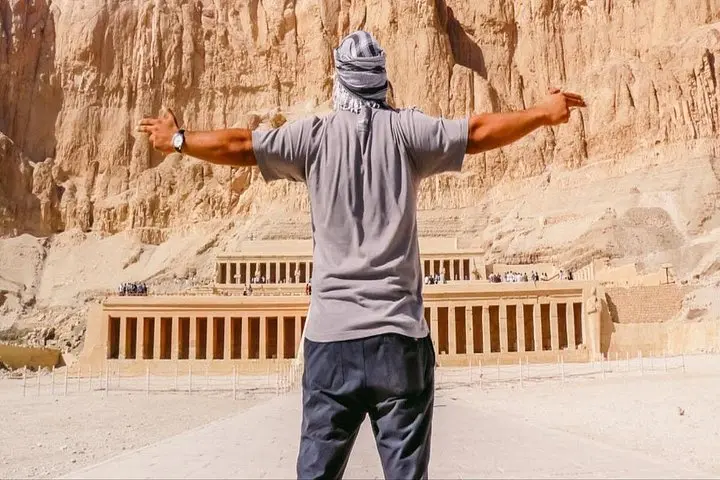
History is literal here: Thebes—ancient Egypt’s power center—left its mark in stone. Hatshepsut’s terrace climbs cleanly from the desert, a rare female pharaoh’s address to eternity. Two Colossi of Memnon stand mute but immense, guardians of an age. Back on the East Bank, Karnak unfolds in scale—the Great Hypostyle Hall’s 134 columns press the sky into a pattern of shadow and light, while priests’ processional avenues hint at millennia of ritual.
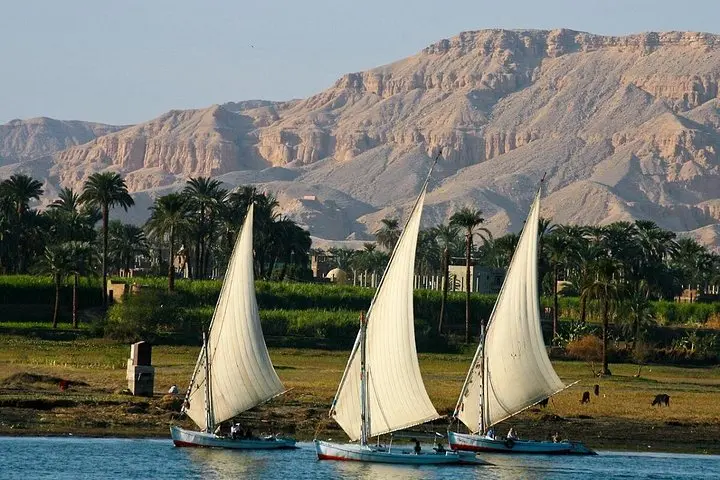
Geology and culture intersect: tombs cut into Nubian limestone, temple sandstone dressed by generations of craftsmen; modern Luxor hums with markets, guides and feluccas drifting like slow punctuation on the Nile.
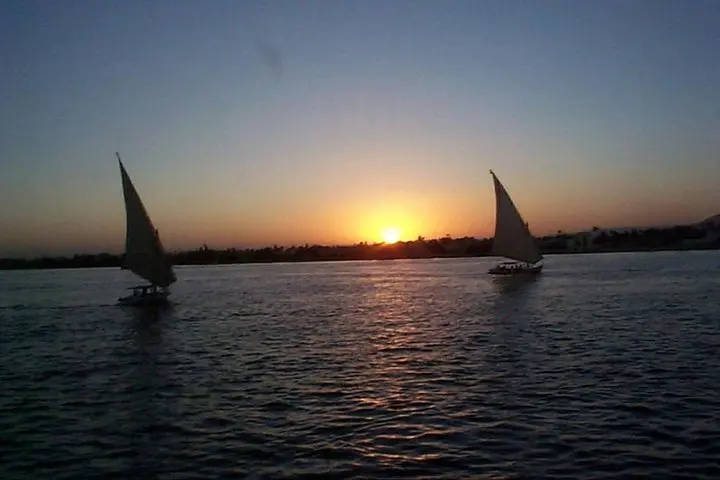
Practical guide: expect 7–8 hours on tour, several kilometers of uneven walking, stairs and low doorways; bring sun protection, refillable water, and cash for entry fees and tips. Photography rules vary—ask your guide. Time your visit around early morning light in the Valley or a late-afternoon felucca to see the skyline soften. The day balances archaeological immersion with a calm sail at dusk, a measured way to feel both history and the living river beneath you.
Most archaeological site entry fees are not included—your booking lists inclusions; carry local currency or confirm payment methods with your operator.
Yes: the itinerary includes a traditional felucca sail at sunset, typically lasting about 45–60 minutes.
Access rotates to protect fragile pigments; your guide will select open tombs—special-ticket tombs like Tutankhamun may require separate fees.
Many sites have uneven ground and steps; limited-mobility access is restricted—check specifics with the operator and request assistance if needed.
Luxor Taxi - DayTour operates guided outdoor trips and adventures with an emphasis on safety, stewardship, and memorable experiences.
A low morning sun lights the Nile as your driver threads through Luxor’s East Bank neighborhoods and the river dares you to leave city pace behind. You cross to the West Bank and the landscape changes to sun-baked limestone cliffs where pharaohs chose rock as refuge; the Valley of the Kings opens like a carved map of afterlives, cool passageways and ribbed ceilings decorated in ochre and lapis.
A low morning sun lights the Nile as your driver threads through Luxor’s East Bank neighborhoods and the river dares you to leave city pace behind. You cross to the West Bank and the landscape changes to sun-baked limestone cliffs where pharaohs chose rock as refuge; the Valley of the Kings opens like a carved map of afterlives, cool passageways and ribbed ceilings decorated in ochre and lapis.
History is literal here: Thebes—ancient Egypt’s power center—left its mark in stone. Hatshepsut’s terrace climbs cleanly from the desert, a rare female pharaoh’s address to eternity. Two Colossi of Memnon stand mute but immense, guardians of an age. Back on the East Bank, Karnak unfolds in scale—the Great Hypostyle Hall’s 134 columns press the sky into a pattern of shadow and light, while priests’ processional avenues hint at millennia of ritual.
Geology and culture intersect: tombs cut into Nubian limestone, temple sandstone dressed by generations of craftsmen; modern Luxor hums with markets, guides and feluccas drifting like slow punctuation on the Nile.
Practical guide: expect 7–8 hours on tour, several kilometers of uneven walking, stairs and low doorways; bring sun protection, refillable water, and cash for entry fees and tips. Photography rules vary—ask your guide. Time your visit around early morning light in the Valley or a late-afternoon felucca to see the skyline soften. The day balances archaeological immersion with a calm sail at dusk, a measured way to feel both history and the living river beneath you.